



Tiznow, the Two-Time Breeders' Cup Winner and Beacon of Hope After Sept. 11
“Rachel Alexandra raises the rafters here at the Spa!”
“And here he is, the unconquerable, the invincible, the unbeatable Cigar!”
“They’re coming down to the finish, and it’s all Arrrrrrrrrrrrrrrrrrrrrrrrrrr!”
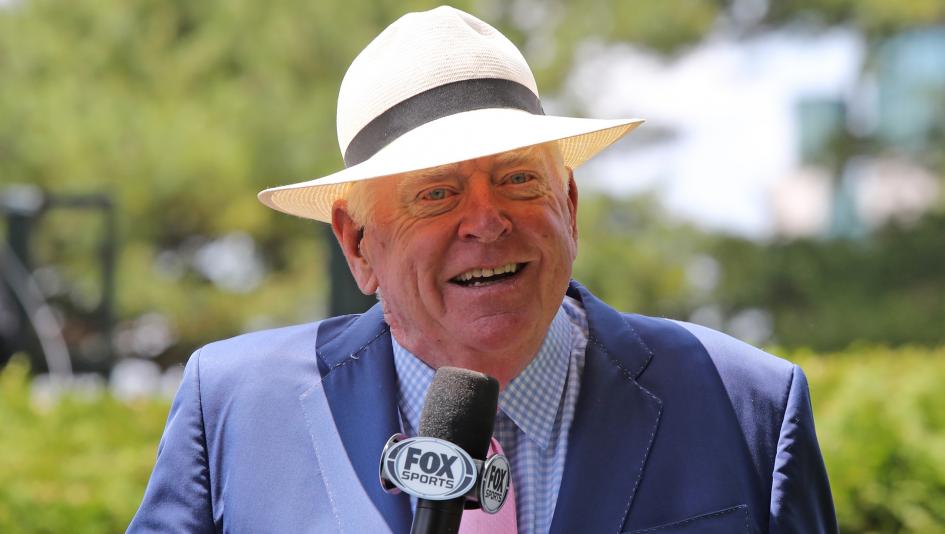
His voice is unmistakable, a familiar cadence that defines many a fan’s favorite moments on the track. Following in the footsteps of Phil Georgeff, the longtime Chicago-area announcer whom he credits with inspiring him to pursue this career, and Dave Johnson and others, Tom Durkin turned race calling into theater, parlaying his flair for performance into legendary chronicles of the drama on the racetrack.
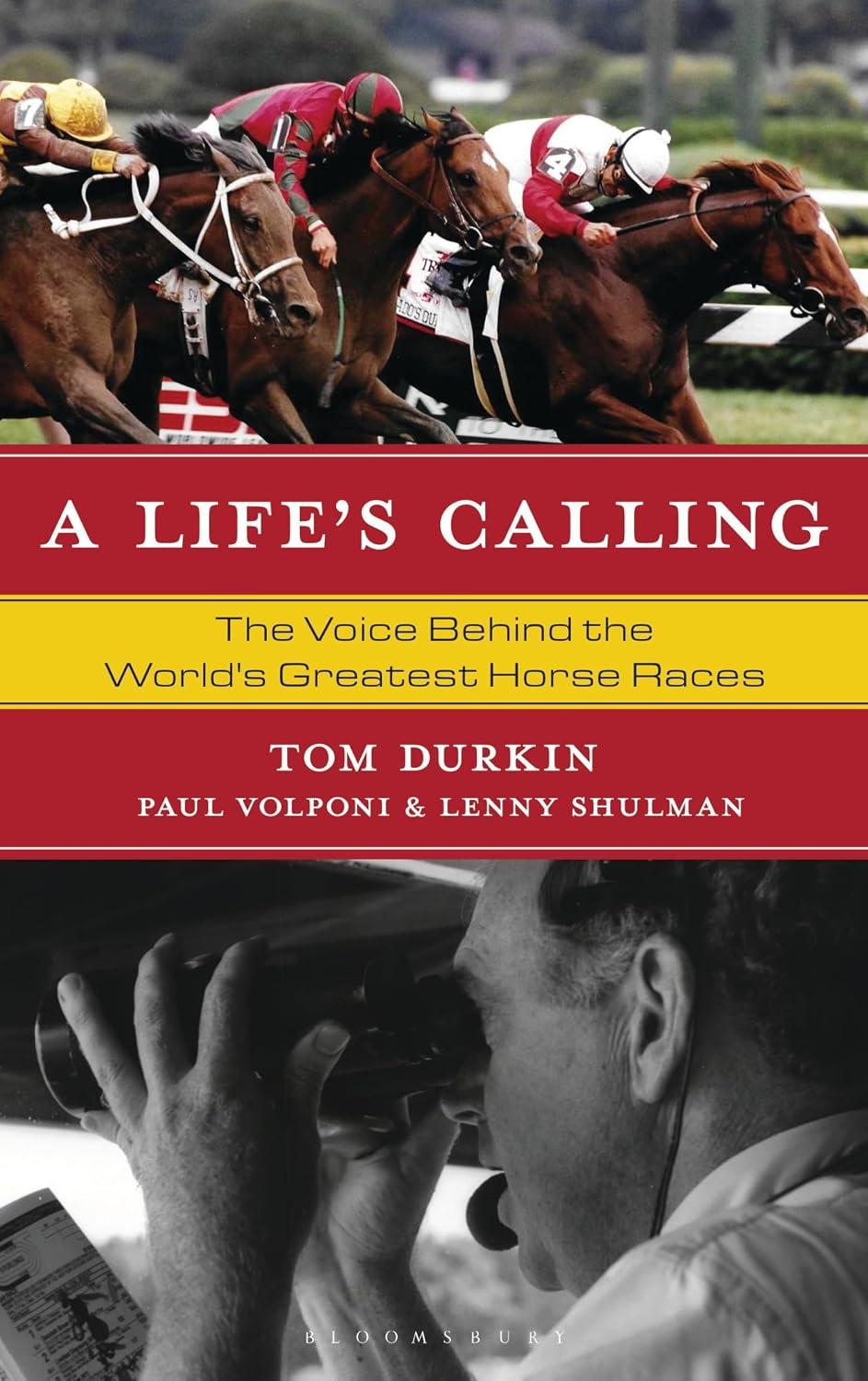
His new book “A Life’s Calling: The Voice Behind the World’s Greatest Horse Races,” co-written with Paul Volponi and Lenny Shulman, captures a life spent at the microphone of American racetracks, from Cahokia to Churchill, and the many adventures that made Durkin a beloved legend.
To talk to Durkin, who has hobnobbed with the sport’s most famous names and has called thousands of races, is to talk to a man who understands how fortunate he is to have had those opportunities and takes giving back some of what he has received seriously. Though his friend Rich Cristiano encouraged him multiple times to write a book, the retired race caller brushed it off – until Volponi and Shulman came calling.
“Last year, Lenny and Paul called me up, and they explained to me what the process was, and it didn’t look like I was going to get any calluses on my hands doing it. So I said, ‘Okay,’” Durkin said.
The project was initially Volponi’s idea. A veteran of the New York tracks’ press boxes, he knew Tom and figured that Durkin, who retired in 2014, had been away from racing long enough that he would be open to the idea. Plus, as anyone who has done a tour of the National Museum of Racing and Hall of Fame with the retired race caller knows, he has his share of stories to tell. Volponi then pulled in turf writer Lenny Shulman, who spent 20 years as features editor at BloodHorse in addition to his multiple books on the sport, to co-write the book after their successful collaboration on 2022’s “Phyllis George: Shattering the Ceiling.”
For Volponi and Shulman, the vision was not for them to do the talking, as that had been done before in multiple profiles of the race caller throughout his career. Rather, they wanted Durkin’s voice to be front and center.
“In my mind, he was going to tell the story because I knew we could vault this book up several levels if Tom told his first-person narrative,” said Volponi. “Lenny, Tom, and I banded together, and we really work as a three-person team. I give Lenny so much credit. Lenny is such a great writer, such a great editor. When I turned to him and said, ‘Tom’s going to be the narrator, and what I want you to understand is that means his name is going to be over ours.’ What I was really saying to him was our names are going to be in second below Tom’s. And Lenny didn’t have a single problem with that, because he knew, as I did, the project was going to be so much better with Tom’s voice in the lead.”
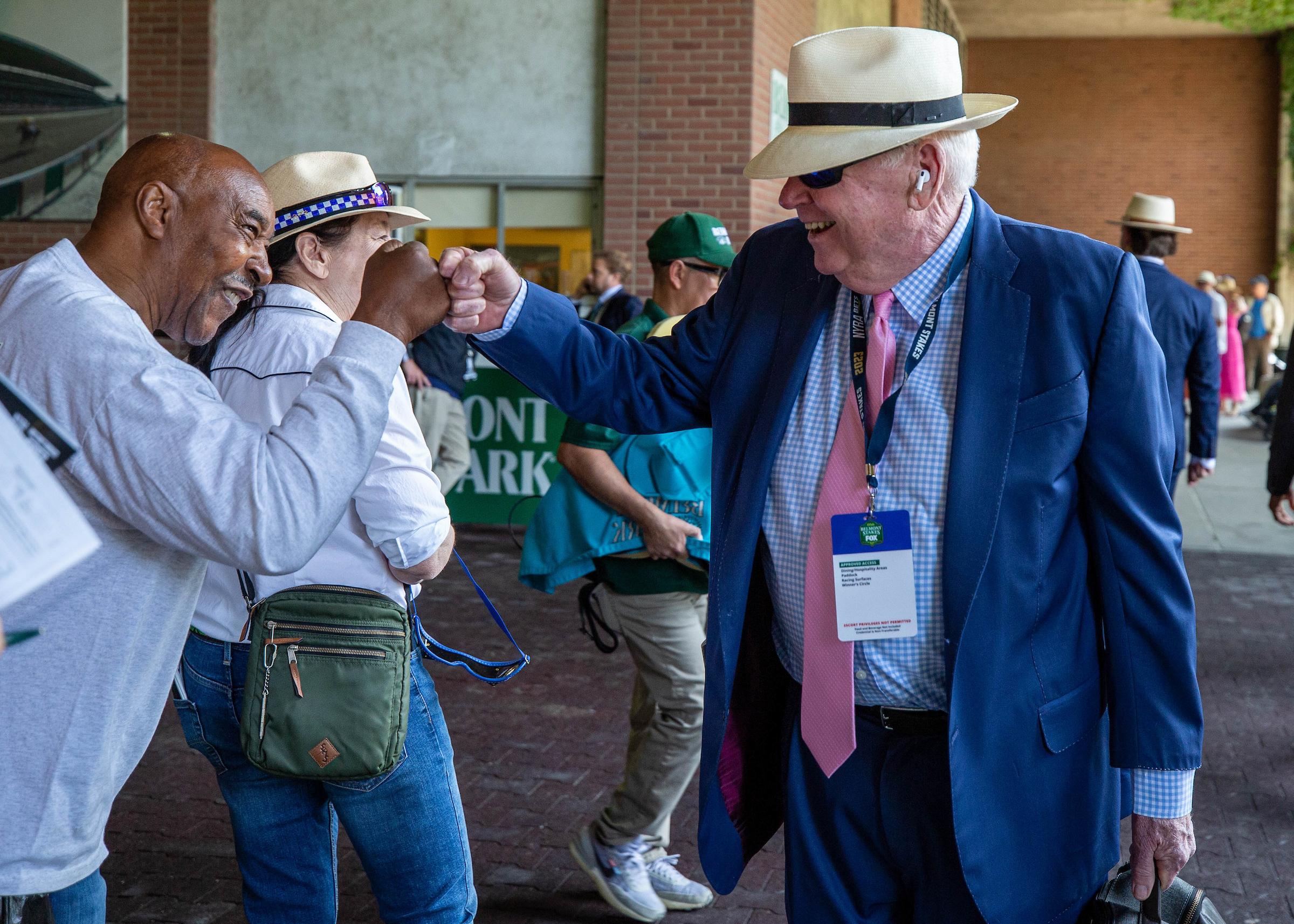
Durkin needed a bit of convincing about that approach. “In the beginning, I didn’t want a first-person book because I didn’t want to make every sentence start with ‘I’ and end with ‘me,’” he said. “It seemed very self-centered and a certain level of conceit that I didn’t want to do.
“But they insisted because if autobiographies are not done in the first person, they just are really not effective. I just followed their lead. They would ask questions, and I would answer them about various parts of racing, about my life, about how to call a horse race, what’s involved.”
Durkin is a wordsmith, with his book of phrases, dubbed the ‘Mayor Daley,’ a fitting companion for his years in the booth. He’s also an actor as well as a teacher in his post-racing days, but he leaned on his co-writers as they crafted “A Life’s Calling.”
“I simply opened the door for Tom, who’s incredibly smart, incredibly gifted as a storyteller, and the two of us just continued to open doors for Tom to be Tom,” Volponi said. “We did that up and down as three writers going to the task of shaping what came out of Tom’s mouth. This is why you see three names on the cover without an ‘and’ or a ‘with.’”
The result is a 27-chapter exploration of Durkin’s life, from his youth in Chicago through calling eight unsuccessful Triple Crown bids to being the voice behind the Breeders’ Cup from its inception through 2005. This self-professed youngest child and show-off – “I do remember my mother saying, ‘Tom, you’re just doing that to draw attention to yourself,’ when I was a little kid’” – does all the talking with Volponi and Shulman helping him shape the narrative as he recounts numerous anecdotes, many humorous, of multiple phases of his life and career. Additionally, multiple colleagues and friends of Durkin’s contribute snapshots of the impact that he has made not only on the art of calling a horse race but also on their lives.
Former colleague Dave Johnson, who called the Triple Crown for ABC for more than a decade, appears several times, while such names as Travis Stone, Julie Krone, Drew Mollica, and Beth Ptacek, Durkin’s sister, also make appearances. Fran LaBelle, former Daily Racing Form correspondent, shares an anecdote about how the race caller helped him out during a tough time. Alongside these snippets are Durkin’s top five race calls, as decided by the co-author himself, each chronicled in the man’s own words. These are stories that those around him have encouraged him to tell, but Durkin had eschewed until this opportunity came to him.
“I think this was a book Tom was never going to write himself. Tom’s too humble,” Volponi said. “Someone had to walk him through the doors. Not because Tom’s not a great writer, not because he’s not a great storyteller, not because he’s not as bright a person as I have ever met. I just think he was too humble to write this book without two people riding shotgun over his shoulder.”
“I just feel so lucky to be involved in this book. For me, it’s a part of racing history. Everybody gets to be there now as the curtain gets drawn back on what was going through Tom’s mind.”
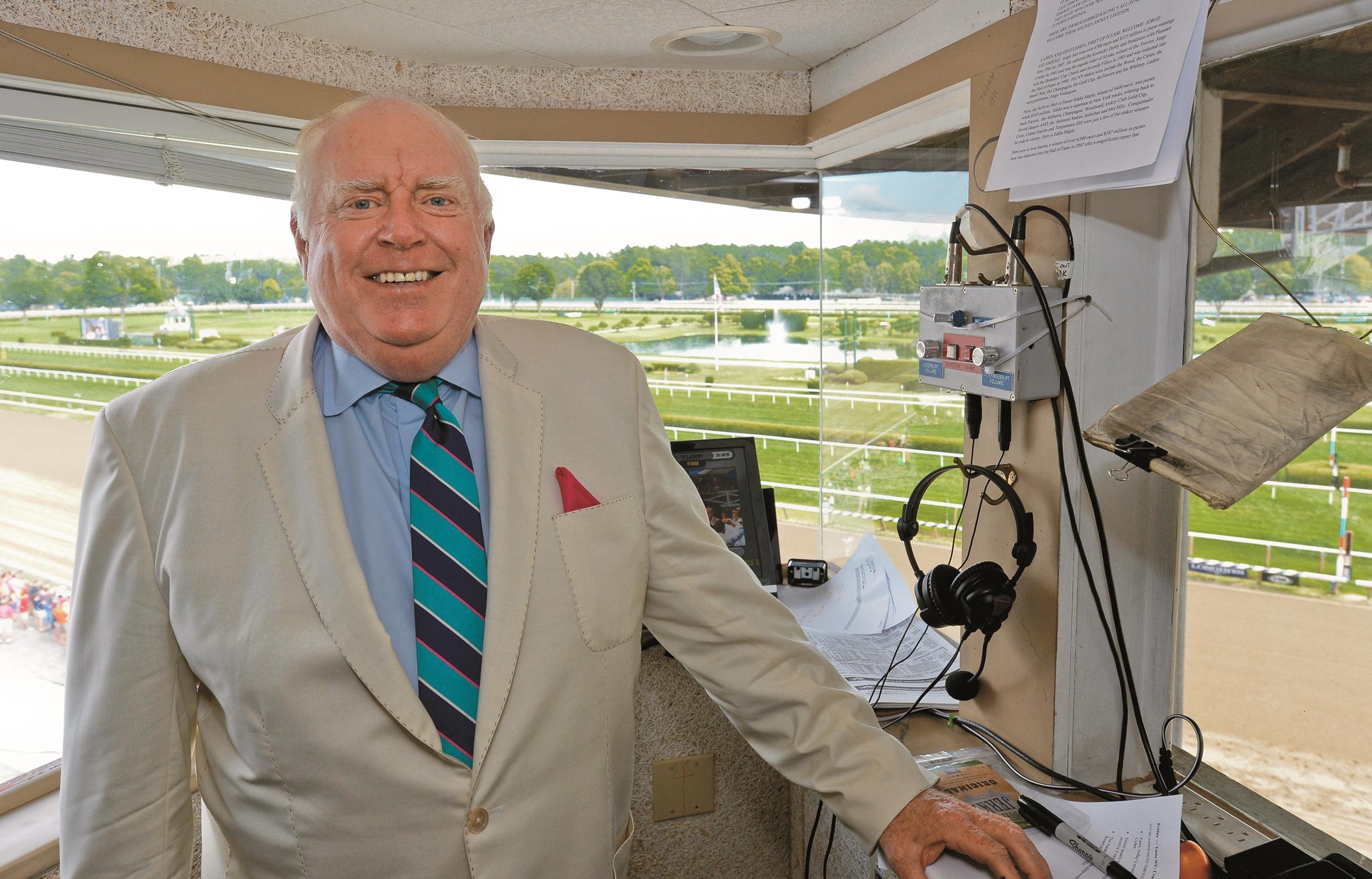
Truly, the book succeeds because of the structure that Volponi and Shulman employ, with the retired race caller serving as narrator, telling his story as only he can, his co-authors making sure that his is the only voice one hears. Readers can imagine themselves in conversation with Durkin, regaled with the same detail and panache that thrilled racing fans on and off the track for decades. His discussion of the job of race caller brings even the most casual of fans into the booth and lays out the unique skills required as well as the pattern of days at the microphone.
At the heart of it all is Durkin’s philosophy behind each call. Whether it’s a $5,000 claimer on a Wednesday or the Kentucky Derby on the first Saturday in May, the retired race caller wants readers “to look at a race as a drama, as a story, not as just a bunch of brown horses running around the track to see who gets there first, that races have a beginning, a middle, and an end,” he said.
“They have heroes, and they have winners, losers. And also, I’d like to think that I talk enough about the jockeys in a race for a person to appreciate their skills and also to appreciate the courage of the horses.”
For Tom Durkin, his years at the microphone on racetracks from Wisconsin to Florida to New York were filled with multiple mini-dramas, drawing fans in with the flair that made him a legend and showing that this was indeed his life’s calling.