


The Incomparable Cigar: A Trainer’s Ability to Transform an Athlete into a Champion

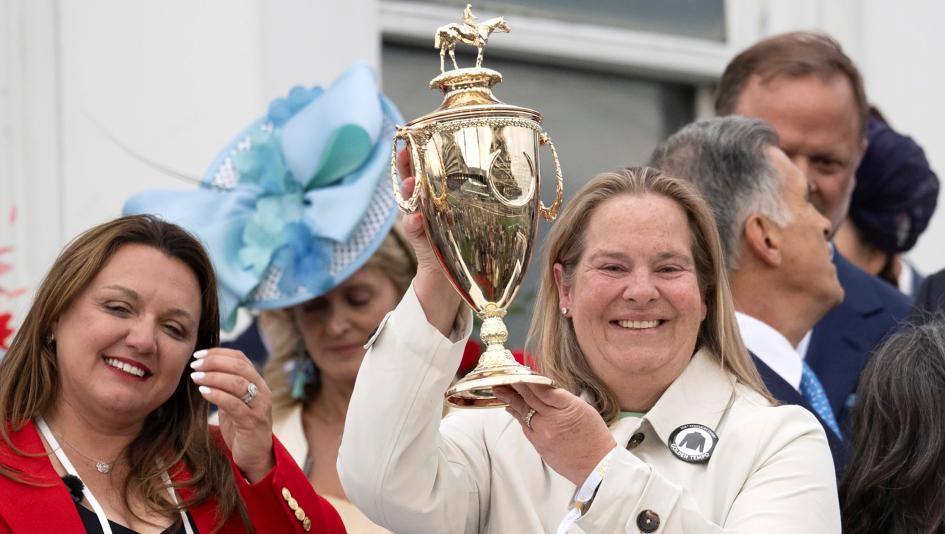
Daisy Phipps Pulito knows what greatness looks like. She observed it, petted it, and fed it peppermints many times as a member of one of racing’s most distinguished families.
“My grandfather and father had ‘Murderers’ Row.’ It was Seeking the Gold and Personal Ensign and My Flag and Miner’s Mark and Easy Goer,” she recalled. “Being able to walk down the shedrow and see those horses was unbelievable.”
When her father, Ogden Mills “Dinny” Phipps died on April 6, 2016, at age 75, the challenge of maintaining that tradition of excellence fell to Pulito and her brother, Ogden Phipps II. She oversees the horses as racing manager while he focuses on business elements.
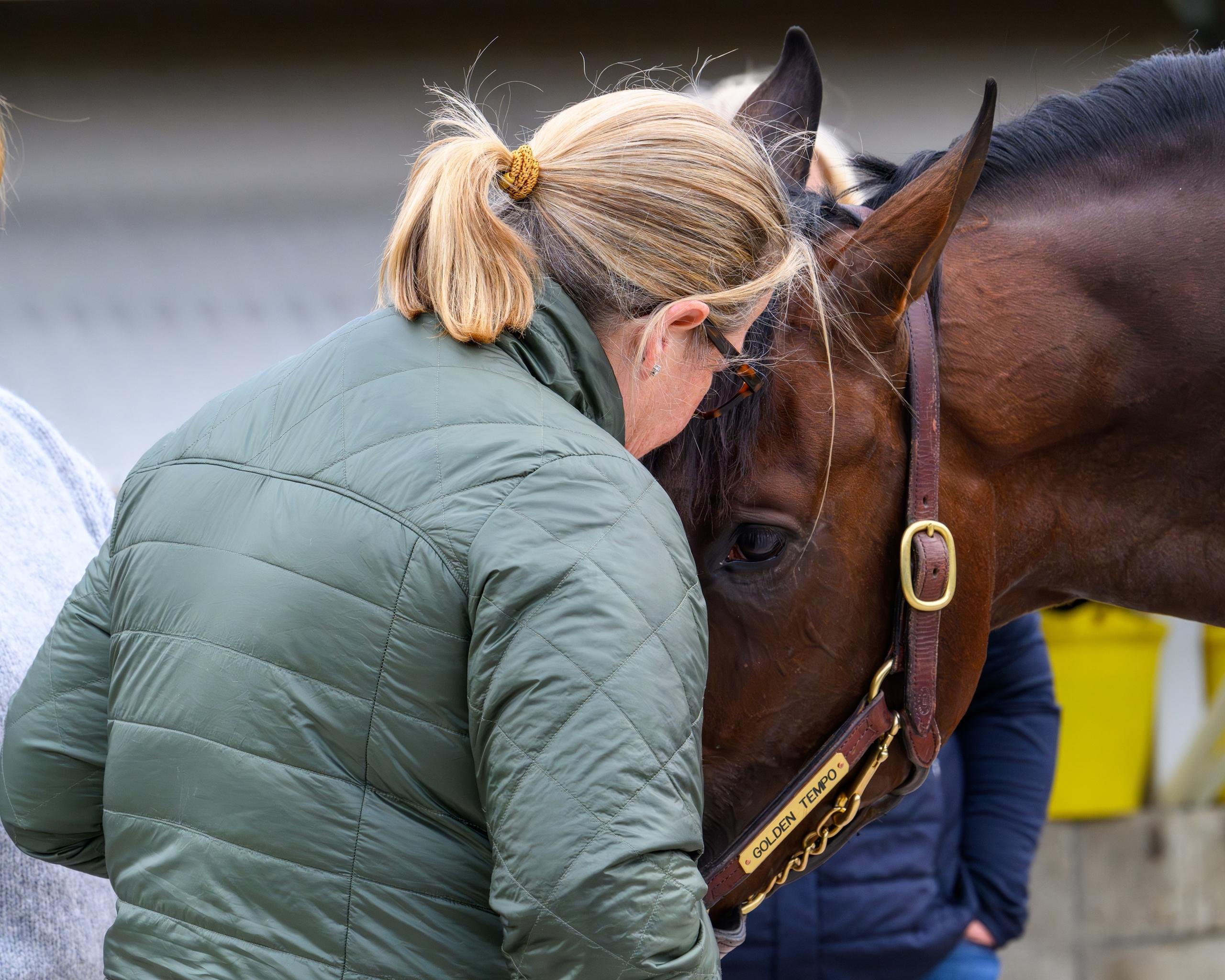
The two of them had one tough act to follow if the famed black silks with the cherry red cap were to remain prominent.
“I worked with my dad probably for 10 years before he passed away. I know what the Phipps Stable means to the industry. I know what it means to historians. I know what it means to my family,” Pulito said. “So, yeah, there is always pressure and there should be pressure on me to do well.”
Previous generations would have been so proud of Golden Tempo. With jockey Jose Ortiz wearing those distinctive black silks with the cherry red cap, he made a stirring last-to-first charge that allowed Cherie DeVaux to become the first woman to train a Kentucky Derby winner. Current family members, from the oldest Phipps to the youngest, are ecstatic. The famous Phipps surname is on top again after combining with St. Elias Stables in breeding and owning the 2026 Derby winner who five weeks later added a win in the Belmont Stakes.
Pulito has thought often of her father, who enjoyed a record tenure as chairman of The Jockey Club from 1983-2015, since the Derby triumph. “He loved the sport and he loved the industry and he loved his horses,” she said. “He would have been over the moon.”
“Dinny” teamed with a cousin, Stuart Janney III, when Orb won the 2013 Kentucky Derby in Janney’s silks. Orb was saddled by Hall of Famer Shug McGaughey, long a key figure in the Phipps’ success.
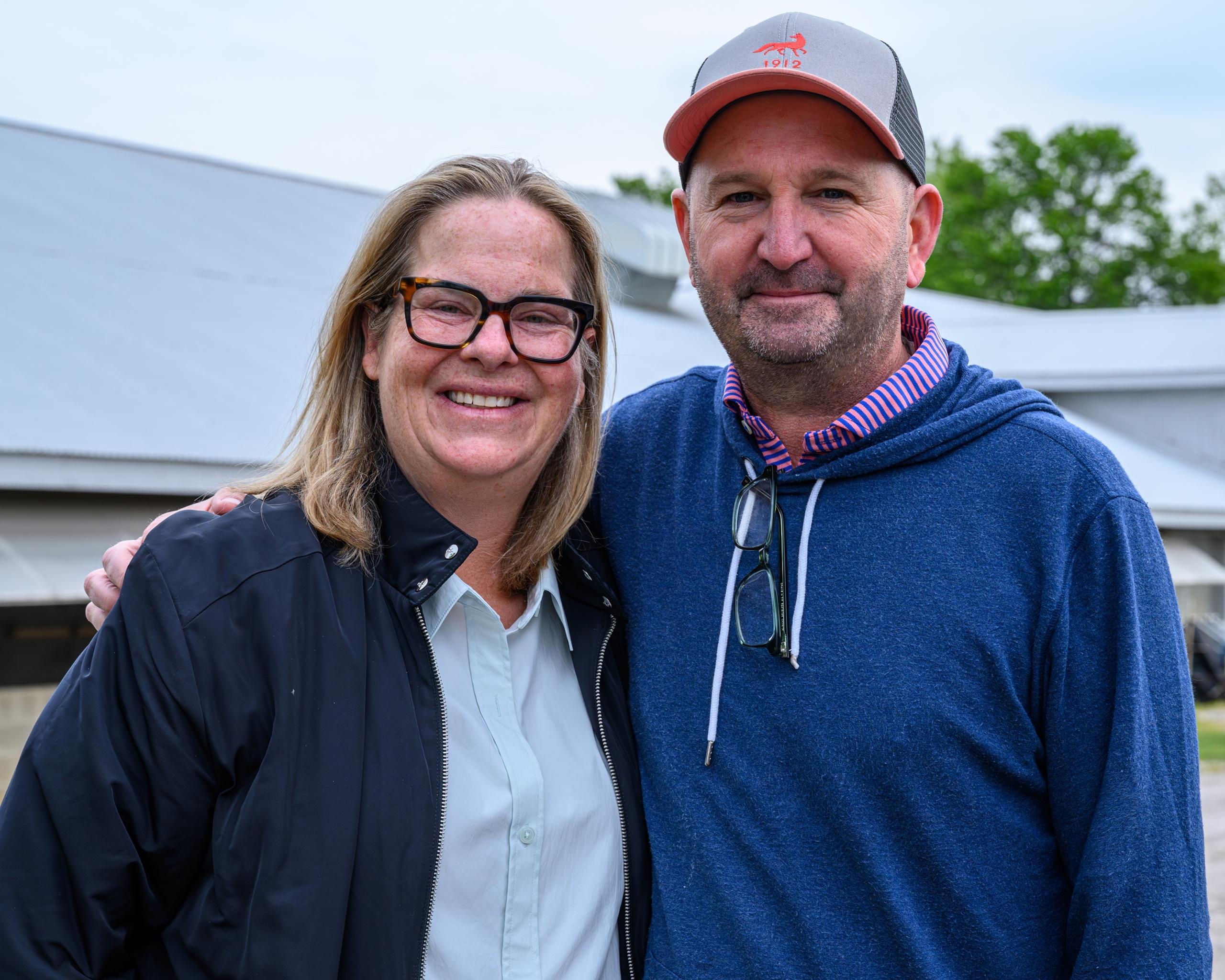
The timing of the second Derby score is perfect. Pulito’s great-grandmother, Gladys Mills Phipps, started it all 100 years ago when she and her brother, Ogden Livingston Mills, founded Wheatley Stable.
The second Derby victory resulted from key decisions made by Pulito. She slimmed down an operation that featured approximately 35 broodmares when she took over. It currently has 17 broodmares — 13 at Claiborne Farm, two at Lane’s End Farm, and two at Gainesway Farm — with 11 horses in training.
During that reduction, she never lost sight of the long-held goal of competing at the highest level. “It’s always been about quality,” said Walker Hancock, president of Claiborne Farm, “and it will continue to be that way.”
Hancock said of the Phipps broodmares stabled at Claiborne, “They are mares that anyone would love to own.”
Carrumba, Golden Tempo’s dam (mother), is among those broodmares that were wisely retained. By 2006 Preakness winner Bernardini, Carrumba became Grade 1-placed when she took third in the Ogden Phipps Stakes in June 2016.
Pulito recognizes that much has changed since the Phipps’ heyday. Everything is more costly, including stud fees. “Stallions are really expensive and we like to breed to good stallions,” she said.
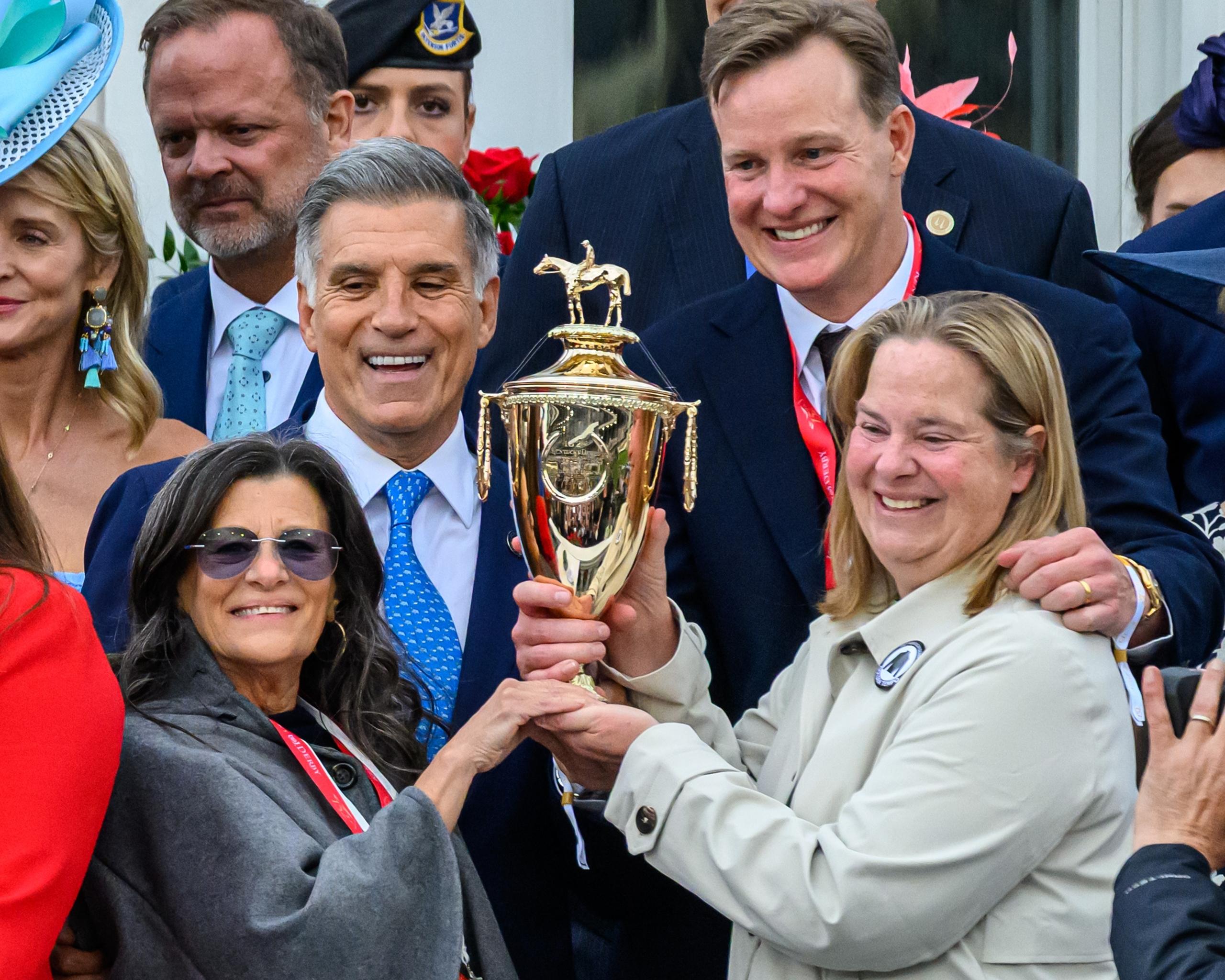
Owners have moved toward partnerships in a big way. Pulito made a game-changing decision when she aligned with Vincent and Teresa Viola’s St. Elias Stable.
“They are phenomenal partners. We have a great business relationship. And we have a really, really good — which is more important — family relationship,” she said. “It’s been a really, really fun thing to do together, and it’s been easy.”
Golden Tempo is among the first horses they bred together, sending Carrumba to two-time Horse of the Year Curlin. Deciding on a trainer became the next issue.
Pulito described Golden Tempo as “kind of a pudgy guy” as a 2-year-old and a juvenile who needed a bit more time. The two partners quickly agreed on DeVaux, who has enjoyed tremendous success with Ortiz.
“I think she’s very patient with a horse. I think she schedules her program around a horse, which I really like. She takes her time,” Pulito said of the history-making trainer. “She does really well figuring out a horse and, with him, she’s done a phenomenal job.”
Success never comes easily, and it has not for Pulito. According to Equibase, the Phipps Stable posted records for the previous four years of 4-for-36, 4-for-31, 3-for-22 and 0-for-8. Pulito’s personal journey includes a diagnosis of cancer 12 years ago and then a recurrence of the dreaded disease nine years ago. She continues to be closely monitored.
“It was a major wakeup call for me,” Pulito said. “It makes you realize what’s important to you and to focus on the things that are important to you, and that’s my family and our racing stable.”
That perspective makes Golden Tempo’s rise — and the Phipps’ resurgence — that much sweeter.