


Ghostzapper: The Horse That Blazed a Brilliant Path in a Brief, But Potent Racing Career

Black History Month offers an important opportunity to reflect on the contributions of Black Americans whose impact has shaped industries across the nation, including horse racing. While modern racing often lacks visible diversity, Black horsemen were foundational to the sport’s early success. One of the most influential among them was Ed Brown, a formerly enslaved man who became one of the leading trainers of the 19th century.
Today, his legacy lives on through the work of the Ed Brown Society, an organization dedicated to creating access and opportunity for people of color in the racing industry.
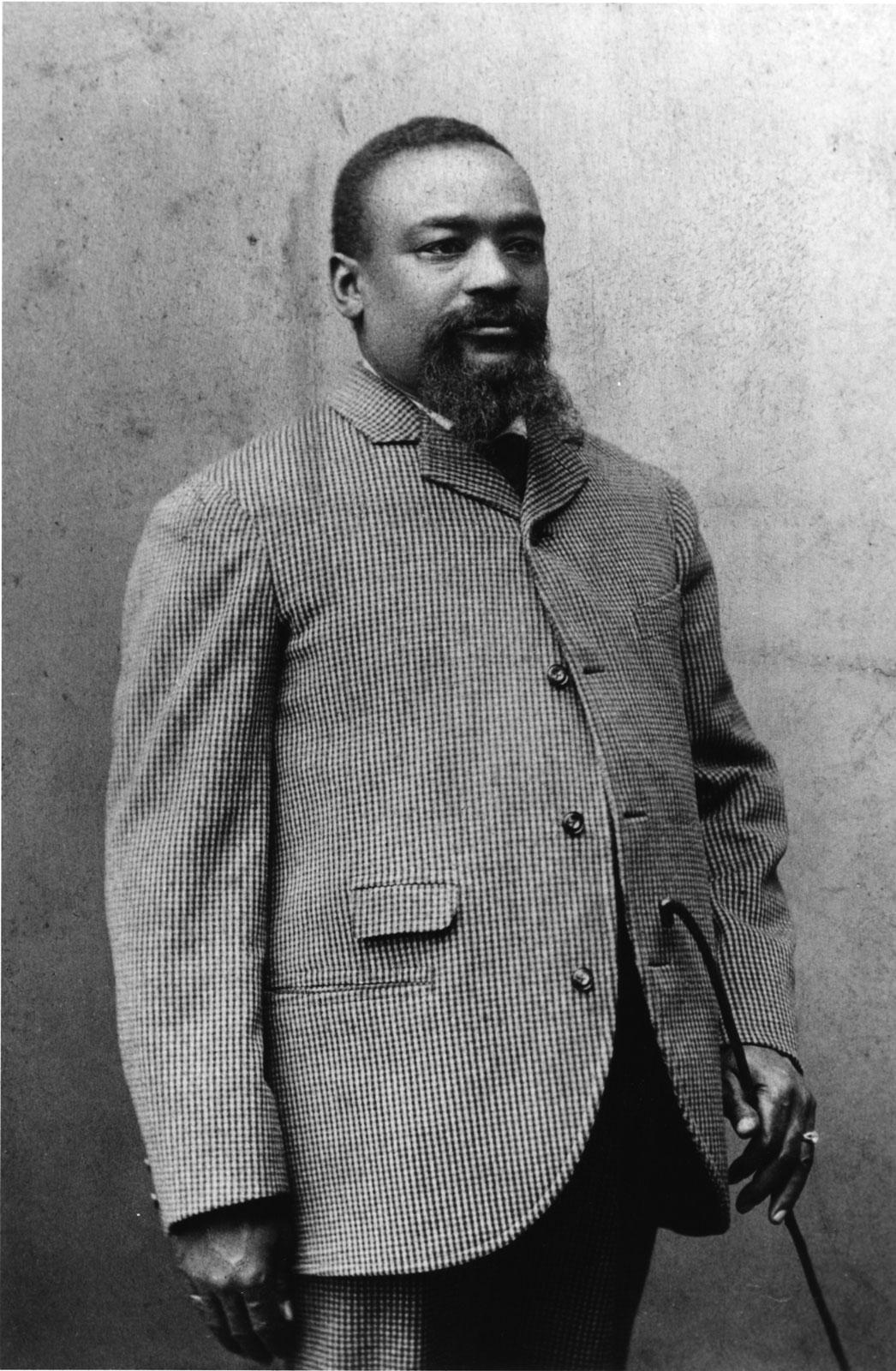 Hall of Fame member Ed Brown (Keeneland Library Collection)
Born into slavery in Kentucky, Ed Brown developed exceptional horsemanship skills while working with racehorses on a Thoroughbred farm before the Civil War. After emancipation, he remained in the sport, riding Kingfisher to a victory in the 1870 Belmont Stakes before quickly earning a reputation as a highly skilled trainer. Brown trained the third Kentucky Derby winner, Baden-Baden, in 1877 and was among the most successful trainers in the country during the early years of America’s most famous race.
At a time when the Kentucky Derby was still establishing its national significance, Brown’s success demonstrated that Black horsemen were not only essential workers, but also capable of leading elite racing operations. He managed training stables, developed young horses, and earned the trust of powerful owners, proving his expertise extended far beyond the saddle.
Despite his accomplishments, Brown’s career like those of many Black trainers and jockeys was eventually affected by the rise of segregation and racial discrimination. As Jim Crow laws spread, Black professionals were gradually pushed out of high-profile roles in racing, and their stories were largely excluded from the sport’s historical narrative.
Ed Brown’s story reflects a broader truth about American horse racing. At the first Kentucky Derby in 1875, 13 of the 15 jockeys were Black, and Black riders won 15 of the first 28 editions of the Kentucky Derby. Yet over time, these pioneers were erased from popular racing history, creating the false impression that Black participation in the sport was minimal.
This historical erasure has consequences beyond memory. When young people do not see themselves reflected in an industry’s past or present, they are less likely to view it as a viable career path. Restoring these stories is essential not only for historical accuracy, but also for expanding opportunity.
Founded to honor Ed Brown’s achievements, the Ed Brown Society focuses on increasing diversity and inclusion across the horse racing industry. Rather than concentrating solely on recognition, the organization works to build tangible career pathways for underrepresented communities.
The Ed Brown Society partners with racetracks, farms, universities, and industry organizations to support education, mentorship, and workforce development. Its efforts extend across multiple sectors of racing, including operations, bloodstock, equine science, regulation, and aftercare, recognizing that long-term change requires representation at every level of the sport.
By connecting historical awareness with professional development, the Ed Brown Society helps ensure that Black excellence in racing is not confined to the past but actively shaping the future.
As horse racing continues to face challenges related to public trust, workforce shortages, and animal welfare, building a diverse and engaged industry is more important than ever. Diversity strengthens innovation, accountability, and community connection, all essential elements for the sport’s sustainability.
Ed Brown’s legacy reminds us that Black leadership in racing is not new. It is part of the sport’s foundation. Honoring that truth, while investing in future professionals, allows racing to grow in ways that are both historically honest and socially responsible.
Black History Month offers a moment to reflect, but the work of inclusion must continue year-round. By recognizing pioneers like Ed Brown and supporting organizations like the Ed Brown Society, the racing industry takes meaningful steps toward a future that reflects the full depth of its past and the full potential of its future.

Silver Charm: As Tenacious as They Come