


The Incomparable Cigar: A Trainer’s Ability to Transform an Athlete into a Champion
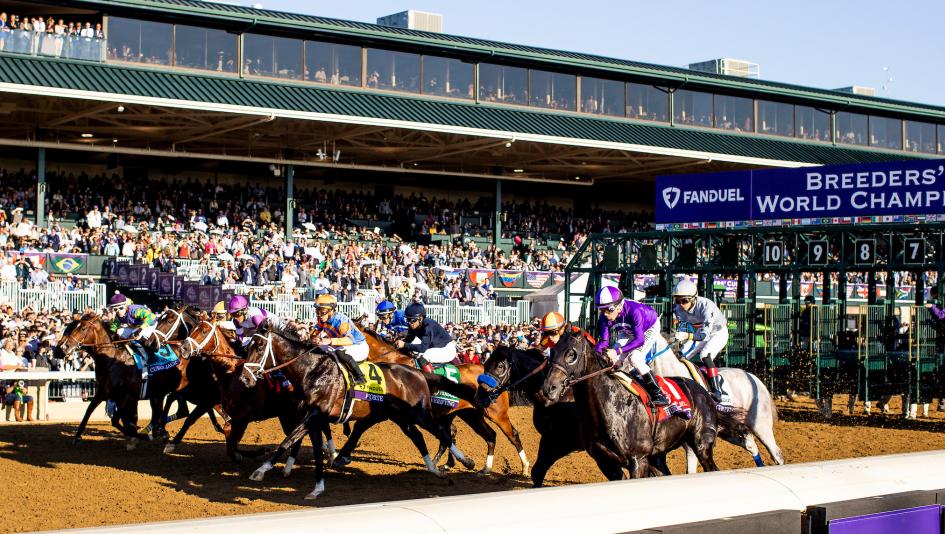
With six double-digit longshot winners over the last 15 years, the $2 million FanDuel Breeders’ Cup Juvenile Presented by Thoroughbred Aftercare Alliance offers bettors a shot to make some serious money if a strong opinion turns out to be correct.
Each year, I explore key trends from previous editions of the Breeders’ Cup Juvenile, Longines Breeders’ Cup Classic, Cygames Breeders’ Cup Sprint, and FanDuel Breeders’ Cup Mile Presented by PDJF to try to build a profile of each race’s prototypical winner. The Juvenile is a fun exercise because just about anything can happen with lightly raced-2-year-olds, some stretching out around two turns for the first time.
The last couple of years, I used 25 years of data as the source for these trends, but for the 2026 Breeders’ Cup Oct. 30-31 at Keeneland Race Course I decided to narrow the focus to 15 years. I did this for two reasons.
So … let’s start fresh with a 15-year sample and try to find some key trends that will be useful for evaluating this year’s Breeders’ Cup and then take a look at the prospective field in search of the most likely winner and a live longshot.
Value Speed
While three Juvenile winners in the last 15 years profiled as either closer or closer/stalker, early speed has been very effective in this race. Four winners led at the first point of call and eight raced in first or second after the opening quarter-mile. In addition to the four pacesetters, three of the 15 winners were within a length of the lead after the first quarter-mile, and nine of the 15 profiled as pace, press the pace, or stalk/press the pace with three in each category.
Furthermore, two of the three winners in the closer or closer/stalker categories came more than a decade ago in 2013 (New Year’s Day) and 2014 (Texas Red).
Eleven of the last 15 Breeders’ Cup Juvenile winners led in early stretch and 13 were first or second.
Class and Form
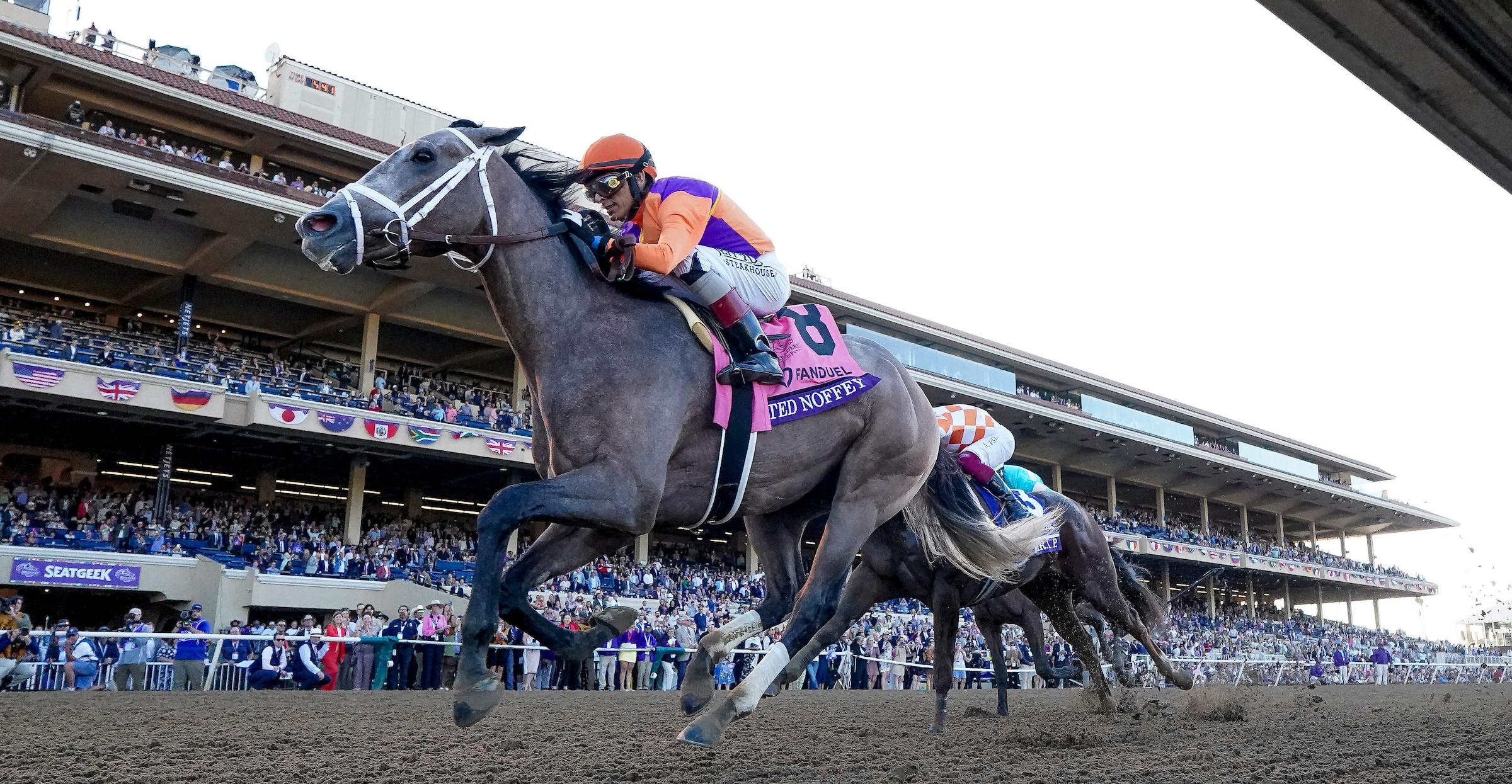 Ted Noffey (Eclipse Sportswire)
Two-year-olds have become more and more lightly raced over the last 15 years, so it’s not a big shock that Breeders’ Cup Juvenile winners in that span who averaged only 2.93 starts with a median of three races also won at an exceptional percentage.
The last 15 Breeders’ Cup Juvenile winners compiled a combined record of 33 wins from 44 starts before the Breeders’ Cup for a 75% strike rate. Eleven of the 15 entered the Juvenile coming out of a win and 14 of the 15 had finished in the top three in their final prep. (The lone exception was Fierceness, who followed an electric debut win with a disappointing seventh in the Grade 1 Champagne Stakes before rebounding to win the Juvenile at 16.5-1 odds.)
Nine of the 15 were proven Grade 1 winners entering the race and 12 of the 15 had won or placed at the Grade 1 level. Six 2-year-olds capped unbeaten 2-year-old campaigns with a Juvenile win, including all four favorites in the timeframe: Shanghai Bobby (2012), Game Winner (2018), Corniche (2021), and Ted Noffey (2025).
Baffert and Pletcher
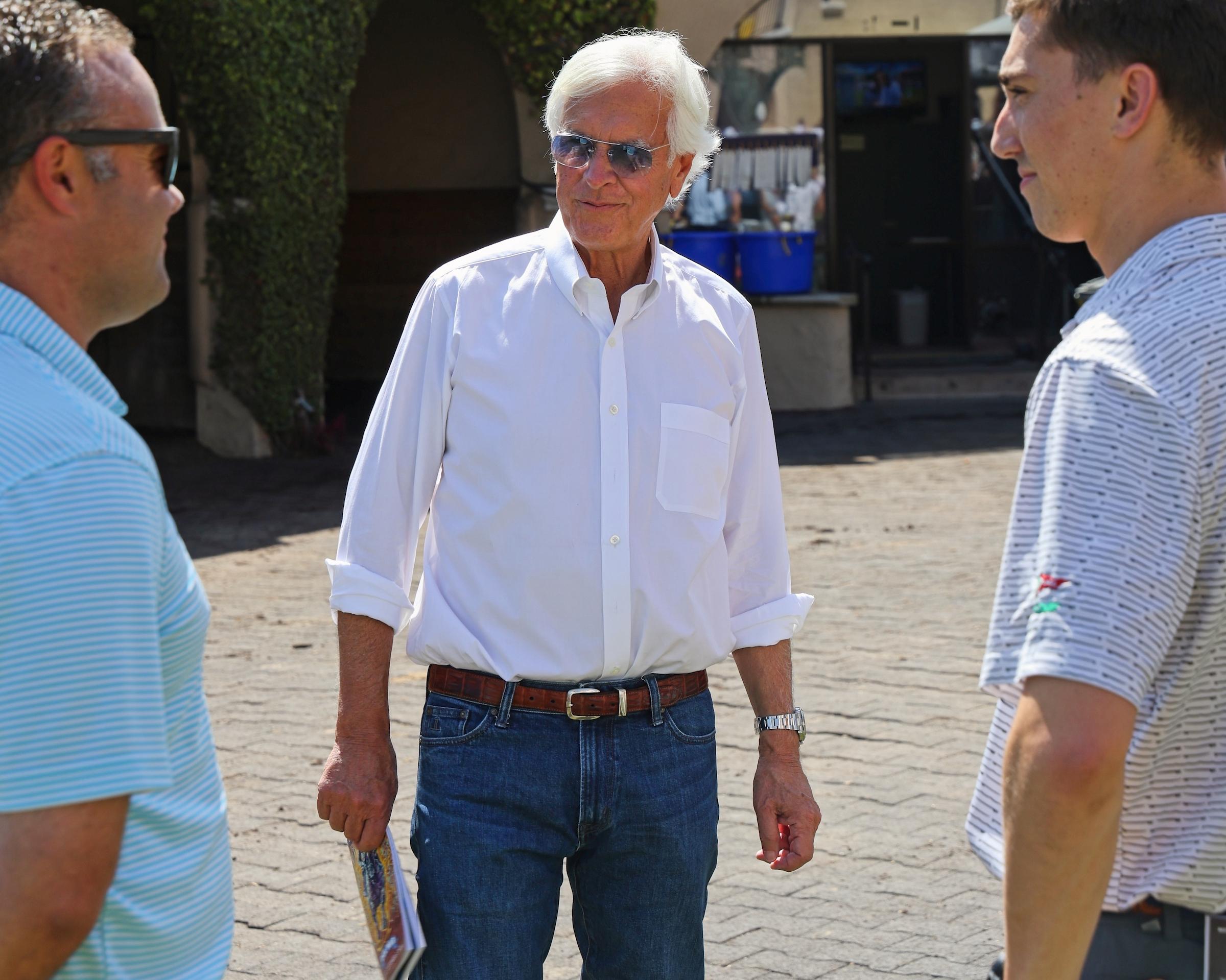 Bob Baffert (Eclipse Sportswire)
Hall of Fame trainers Bob Baffert and Todd Pletcher have combined to win eight of the last 15 editions of the Breeders’ Cup Juvenile, winning four each since 2011. Pletcher also won the race in 2010 with Uncle Mo and has five total wins in the race, while Baffert is the all-time leader with six Juvenile victories.
This year figures to have a heavy favorite from the Baffert barn in unbeaten American Pharoah Stakes Presented by DK Horse winner Hughes. Favorites have struck four times in the 15 editions from 2011 to 2025 with two of them — Game Winner (2018) and Corniche (2021) — trained by Baffert and the other two — Shanghai Bobby (2012) and Ted Noffey (2025) — trained by Pletcher. But it’s not as simple as identifying a heavy favorite trained by Baffert or Pletcher. Remember in 2022 when the Pletcher-trained Forte (5-1) defeated Baffert’s 1-2 favorite Cave Rock?
In fact, it’s downright shocking that three of the six double-digit upsets over the last 15 years also came from the Baffert/Pletcher barns considering their track record for success with 2- and 3-year-old dirt runners.
Baffert’s New Year’s Day (10.5-1) won the 2013 edition coming out of a 1 ¾-length Del Mar maiden race; Pletcher’s Fierceness (16.5-1) romped by 6 ¼ lengths in the 2023 Juvenile, looking more like the racehorse who won his debut by 11 ¾ lengths than the one who was beaten by more than 20 lengths in the Champagne Stakes; and Baffert’s speedy Grade 1 winner Citizen Bull (15.9-1) somehow slipped past bettors as a massive overlay in 2024. Take a long look at any runner from either barn and go back and watch their race replays.
Keeneland Focus
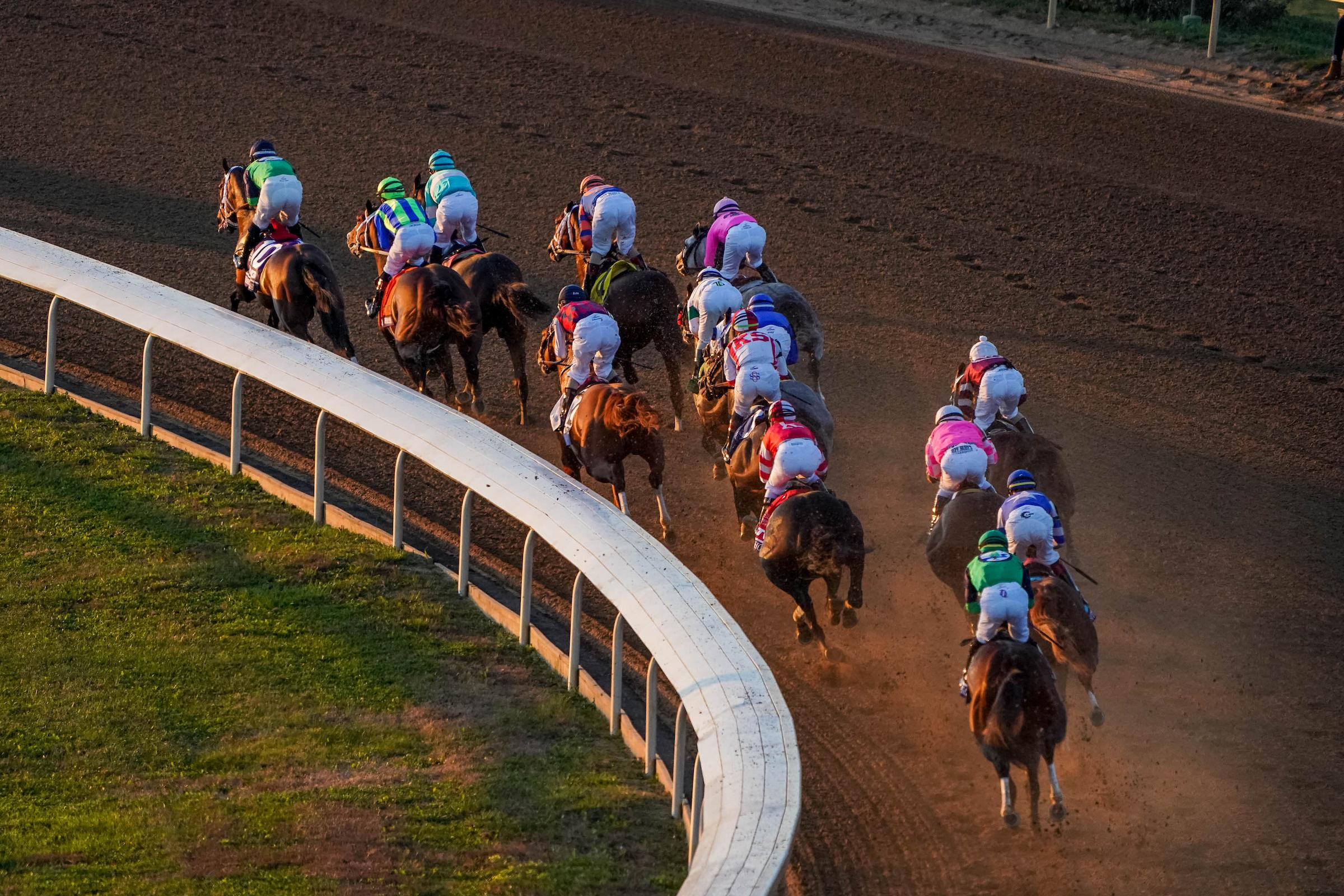 The 2020 Juvenile at Keeneland. (Eclipse Sportswire)
This year’s host track, Keeneland, has held the Breeders’ Cup three times in this 15-year sample of races: 2015, 2020, and 2022. The winners were Nyquist at 4.7-1 odds in 2015 for trainer Doug O’Neill, Essential Quality at 3.7-1 odds in 2020 for trainer Brad Cox, and Pletcher’s Forte at 5.02-1 in 2022.
Keeneland’s main track configuration for 1 1/16 miles features a fairly short run into the first turn as well as a short stretch run with the finish line at the sixteenth pole rather than the traditional finish. Keeneland two-turn dirt races typically favor speed. Noel Michaels’ Keeneland trends analysis (before the 2026 fall meet) shows that over the last year speed horses (horses on or close to the pace) won 28 of the 65 dirt routes to account for 43% of the races, while stalkers racing between one to four lengths off the early pace won 26 races (40%), with closers winning only 17% of the 65 dirt routes.
However, all three Juvenile winners at Keeneland rallied from off the pace. Nyquist was eighth and 3 ¼ lengths back after the opening half-mile, Essential Quality was seventh and nine lengths off the pace, and Forte was fifth and three lengths back after the first half-mile. Both Nyquist and Essential Quality had flashed early speed before and raced farther back than perhaps expected, while Forte is one of the three winners from the closer-closer/stalker triumvirate. All three had previous two-turn race experience, were proven Grade 1 winners, and entered off a win. Essential Quality and Forte both won the Breeders’ Futurity at Keeneland at the same track and distance in their final prep.
Lowdown on the Longshots
It’s not a surprise that the four runners who entered the Juvenile off a loss from 2011-’25 all were among the six double-digit longshot winners.
Texas Red won the 2014 Juvenile at 13.9-1 odds coming off a third-place finish, beaten by 4 ¾ lengths by American Pharoah, in the Grade 1 FrontRunner Stakes. Good Magic prevailed at 11.5-1 in 2017 after finishing second by a half-length in the Grade 1 Champagne Stakes. Storm the Court pulled off an absolute stunner at 45.9-1 odds in the 2019 Juvenile after running third while beaten by 8 ¼ lengths in the Grade 1 American Pharoah Stakes (formerly FrontRunner). Fierceness, as discussed above, was well beaten in the Champagne after flashing ability in his debut.
The other two longshot winners were the Baffert runners mentioned above who entered off wins: New Year’s Day won a maiden race at Del Mar before his 10.5-1 upset in 2013 and Citizen Bull won the Grade 1 American Pharoah and somehow still was overlooked at 15.9-1 odds in 2024. The three most recent longshot winners — Storm the Court, Fierceness, and Citizen Bull — all profiled to be near the lead. Storm the Court and Citizen Bull set the pace, while Fierceness was second and within a half-length after a quarter-mile. New Year’s Day, Texas Red, and Good Magic were all three lengths back or more after a half-mile.
Betting the 2026 Juvenile
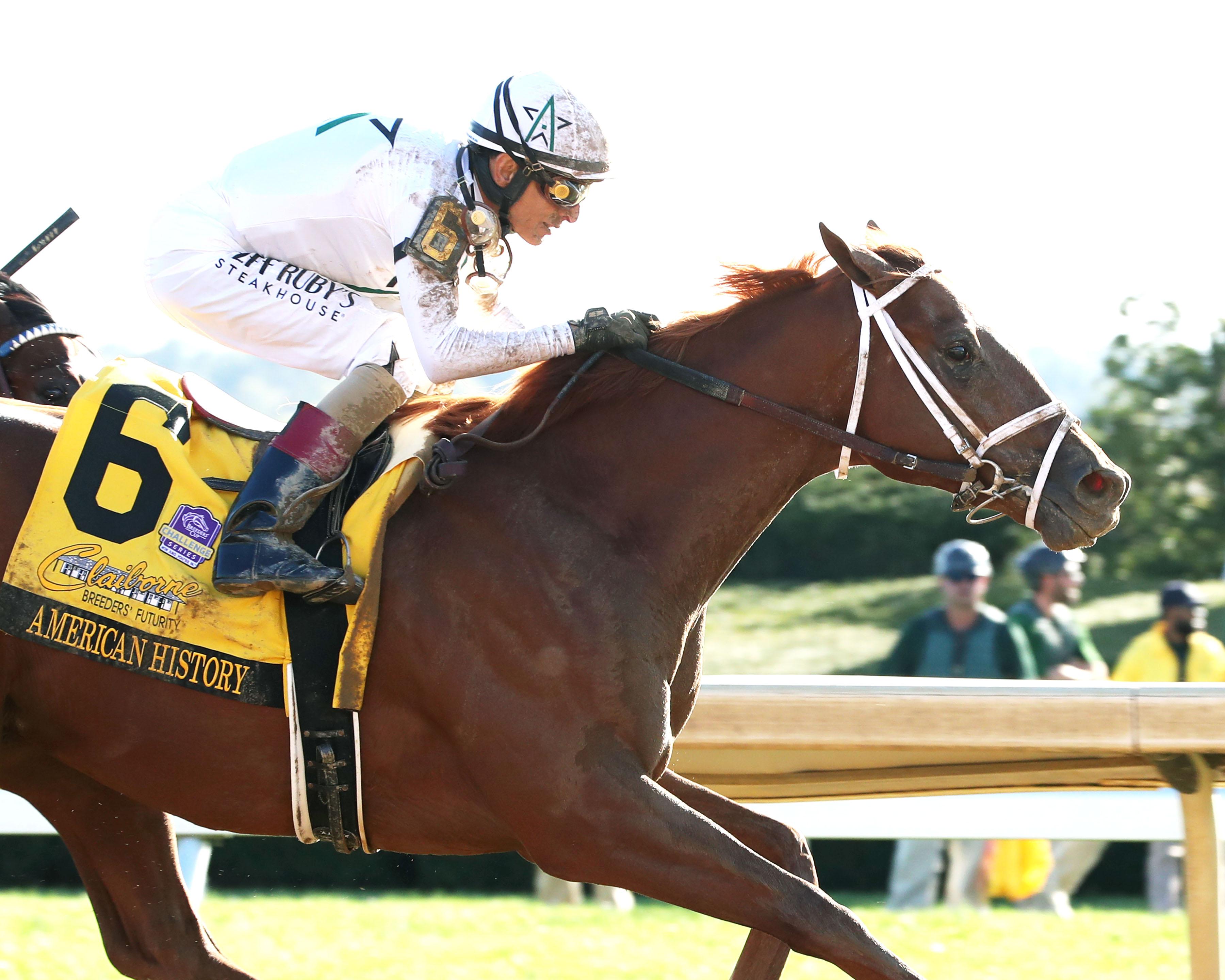 American History (Coady Media)
Unbeaten Hughes could be tough to beat for Baffert after extending his winning streak to four with a six-length romp in the American Pharoah Stakes, especially with Champagne Stakes winner U. S. S. Valor bypassing the Breeders’ Cup. Hughes has speed, proven class, and impeccable form for the winningest trainer in the history of the race. The downside is he’ll probably be very short odds.
Pletcher’s American History won his debut by 7 ¾ lengths at 9.61-1 odds and then rallied from off the pace at Keeneland to win the Claiborne Breeders’ Futurity at 5-1 despite failing to change leads in the stretch. He’s been overlooked to date in his career but might just be scratching the surface of his ability and should be a better value than Hughes.
The “other” Baffert — unbeaten Iroquois Stakes winner Salahudin — has not run as fast as Hughes nor has he competed in a two-turn race or placed in a Grade 1. But if the pace is fast, he could capitalize at a solid price and the Uncle Mo colt from a powerhouse female family is worth a long look.
My favorite longshot play is probably Breeders’ Futurity pacesetter Q B Rocket, who was pressed by favored Coach Pope in that race when stretching out from three-quarters of a mile to 1 1/16 miles. I thought he battled in the stretch when finishing third, and the Gun Runner colt should improve in his second try navigating two turns. He has a nice combination of speed, two-turn experience, a Grade 1-placing, and Keeneland experience for trainer Brad Cox, who trained 2020 Juvenile winner Essential Quality.