


Breeders’ Cup Fantastic Finishes: Enable Makes History at Churchill
Ben and Jimmy Jones. Max and Buddy Hirsch. Marion and Jack Van Berg. Carey and Bill Winfrey. Syl and John Veitch. Frank and David Whiteley.
The list of father-son duos in the National Museum of Racing and Hall of Fame includes many memorable personalities responsible for a litany of classic winners and champion racehorses. David Whiteley, tough on the outside like his father, reserved the softest part of his soul for the horses under his care. Though his win totals are not as gaudy as some of his peers, the son of Frank Whiteley earned his spot in the Hall of Fame thanks to champions Revidere, Waya, and Just a Game and a Belmont Stakes victory with Coastal.
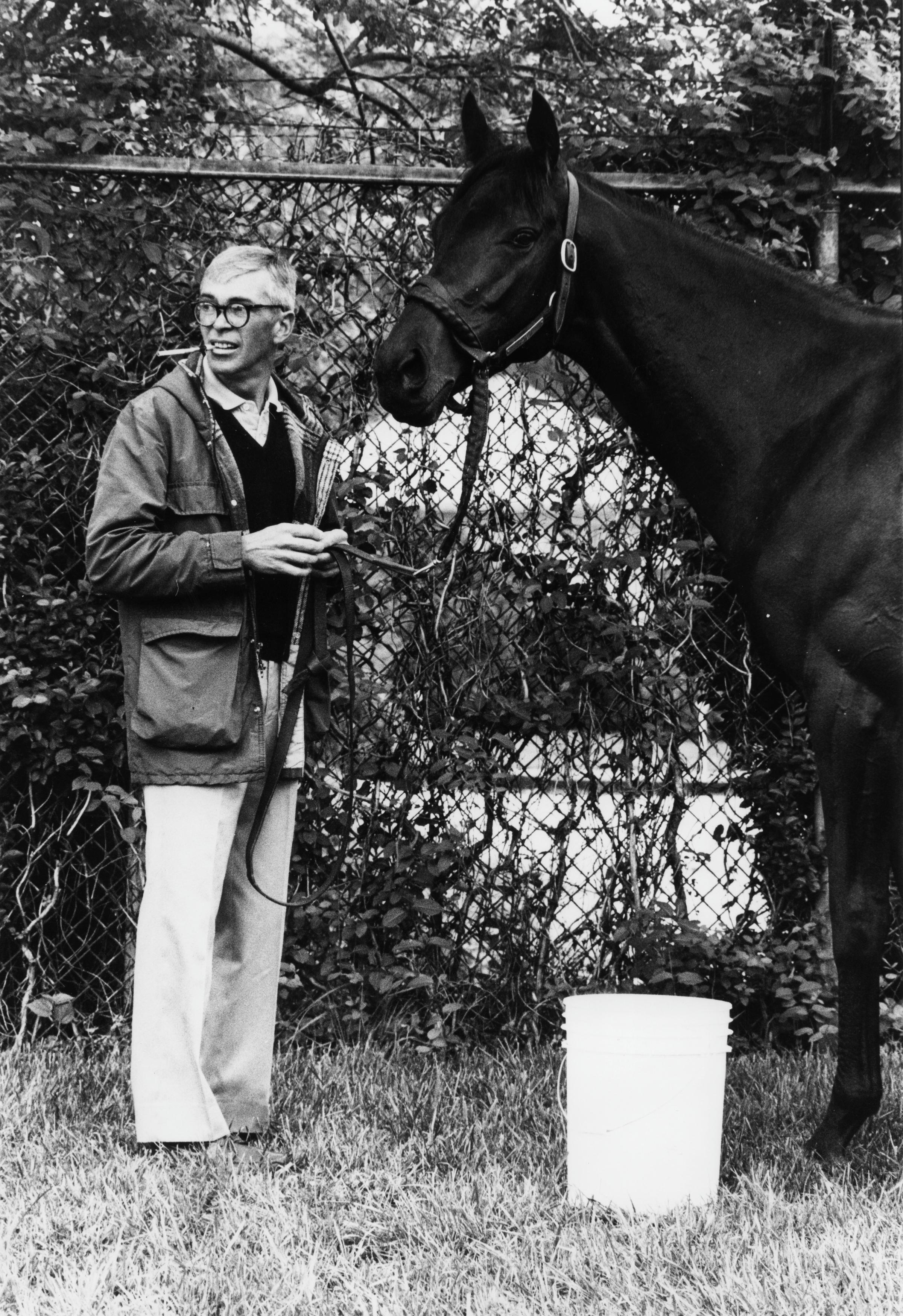
David Whiteley, who will join his father in the Racing Hall of Fame this summer, built on the foundation in horsemanship his father instilled in him and crafted a career where he kept his stable small but his win quality gaudy in one of the sport’s golden eras.
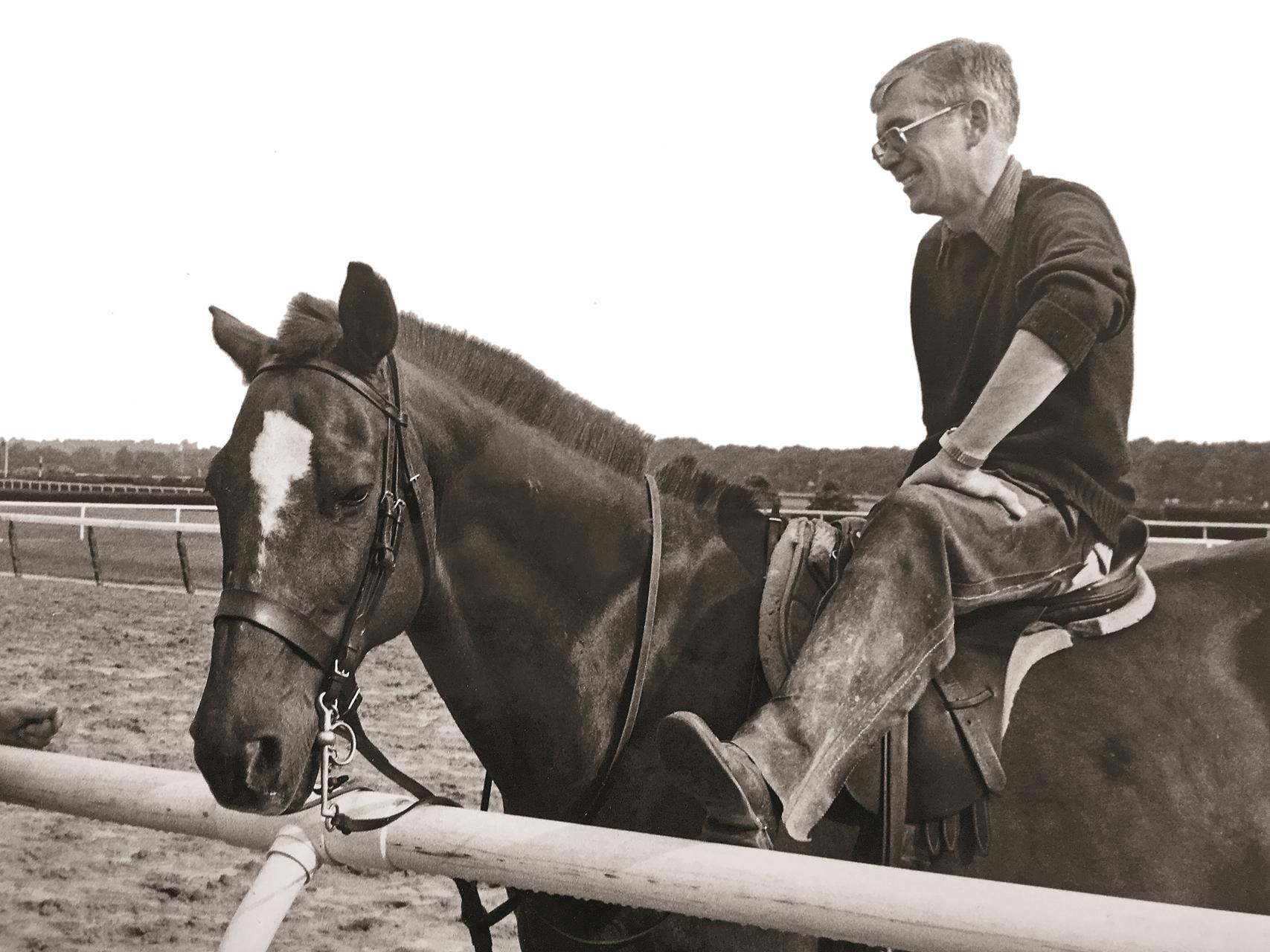
The younger Whiteley grew up alongside John Veitch, who later trained Alydar among others, as the son of a famed trainer. A native of Maryland, Frank Whiteley had spent his life with horses, training the likes of Tom Rolfe and Damascus, and later Forego and Ruffian, with David by his side as an assistant. By 1970, the younger Whiteley had gone out on his own, cultivating the same approach to training. His barn would be no more than 20 horses, with four or five each for clients like Martha Gerry, the Bancroft family, William Haggin Perry, Peter Brant, and Christiana Stable.
Within a few years, he had his first champion in the filly Revidere, a daughter of Reviewer. She shared a sire with the ill-fated Ruffian, who was trained by Frank for the Janneys, and Revidere had her best season in 1976, when she won the Cotillion Stakes, Coaching Club American Oaks, Gazelle Handicap, and the Ruffian Stakes. For her accomplishments, she earned the Eclipse Award as champion 3-year-old filly for owner William Haggin Perry, for whom Whiteley would condition another standout in 1979.
As Spectacular Bid made headlines with his speedy performances, the Whiteley barn had two stars in Coastal, owned by Haggin Perry, and Waya, a French import owned by Peter Brant and George Strawbridge. Bred by French art dealer Daniel Wildenstein and trained by Angel Penna, Waya was unraced at 2, and then at 3 in 1977, she won the Prix de Royaumont and the Prix de l'Opera in France before coming to the United States in 1978. As a 4-year-old, she won the Diana and Flower Bowl Handicaps as well as the Man o’ War Stakes against males. Brant and Strawbridge purchased Waya for $1.1 million at the end of that year and she spent her final season in Whiteley’s barn, where she continued to build a Hall of Fame résumé. In 1979, she raced on both turf and dirt and won the Saratoga Springs Cup Handicap on the main track along with Grade 1 dirt victories in the Top Flight Handicap and Beldame Stakes. At year’s end, she earned an Eclipse Award as champion older female for her accomplishments.
At the same time Whiteley was conditioning Waya, he was also working with a colt by Majestic Prince (who had fallen short of a Triple Crown in 1969) produced by Alluvial, a daughter of Buckpasser who also was the dam on another top runner in Slew O’Gold. Coastal was originally trained by his father, but David took over the colt’s preparation for his 3-year-old season. Coastal’s juvenile season had been cut short by an injury to his right eye, so the younger Whiteley started him slowly at age 3, competing in two allowance races before trying the 1 1/8-mile Peter Pan Stakes. Coastal won by 13 lengths, which prompted his owner to put up $20,000 needed to supplement the colt to the Belmont Stakes, where he was set to face a juggernaut.
On a 12-race win streak that dated to the previous season, Spectacular Bid had powered his way through the Kentucky Derby and the Preakness and seemed a sure bet to win the Belmont Stakes and complete the third Triple Crown sweep in as many years. However, either distance limitations, jockey Ronnie Franklin’s choice to put him on the lead too early, or an incident with a safety pin the night before kept the gray colt from victory. While Coastal and jockey Ruben Hernandez rode the rail to victory in the stretch, the Bid faded to third.
“He’s a Belmont winner! He’s a Belmont winner!” Whiteley exclaimed after the race. “I didn’t think we had it. I thought we were beaten on the backstretch, but Mr. Perry was gamer than I and told me not to worry.”
Coastal added the Grade 2 Dwyer Stakes and the Grade 1 Monmouth Invitational Handicap to his résumé before retiring at the end of 1979. But Whiteley was not short of quality horses with the exit of his Belmont Stakes winner.
Brant brought over another accomplished import in Just a Game to race stateside. A daughter of Calumet Farm-bred Tarboosh, the filly started her career in Ireland, where she won the Group 2 Beresford Stakes at age 2 before an unplaced finish in the Epsom Oaks in 1979. Brant bought her that season and then brought her to the U.S., where in 1980, she won the Orchid, New York, Diana, and Flower Bowl Handicaps during an eight-race winning streak. She then finished second against males in the Man o’ War Stakes but had accomplished more than enough to secure the Eclipse Award as champion turf female that year, giving Whiteley his third champion.
The younger Whiteley continued to train through 1995, when he retired to care for his father Frank, who passed away in May 2008. He had more stakes winners, horses like Highland Blade and Tiller, and retired with 678 victories, including 45 graded stakes. He lived away from the spotlight in Camden, S.C., with a few mementos and a quiet life in retirement until he passed away in August 2017. Nearly a decade later, the sport will celebrate his accomplishments and impact on the history of racing with an induction into the Racing Hall of Fame via the Historical Review Committee, completing a father-son duo that echoes names like Veitch, Van Berg, and Hirsch — titans of Thoroughbred racing.


Silver Charm: As Tenacious as They Come