

Ten Things You Need to Know About the 2026 Woodbine Mile
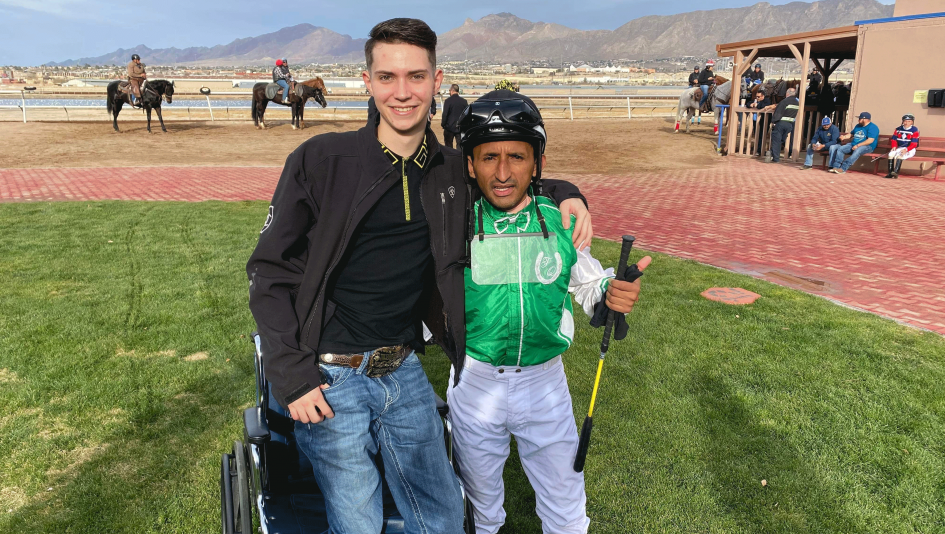
Before sunrise, the backside at Albuquerque Downs belongs to the horses.
The shedrows begin to stir, the feed carts begin to rattle and the horses begin to get restless. Exercise riders gather and climb aboard Thoroughbreds bound for another morning of training.
Among them is Bryce Bourdieu.
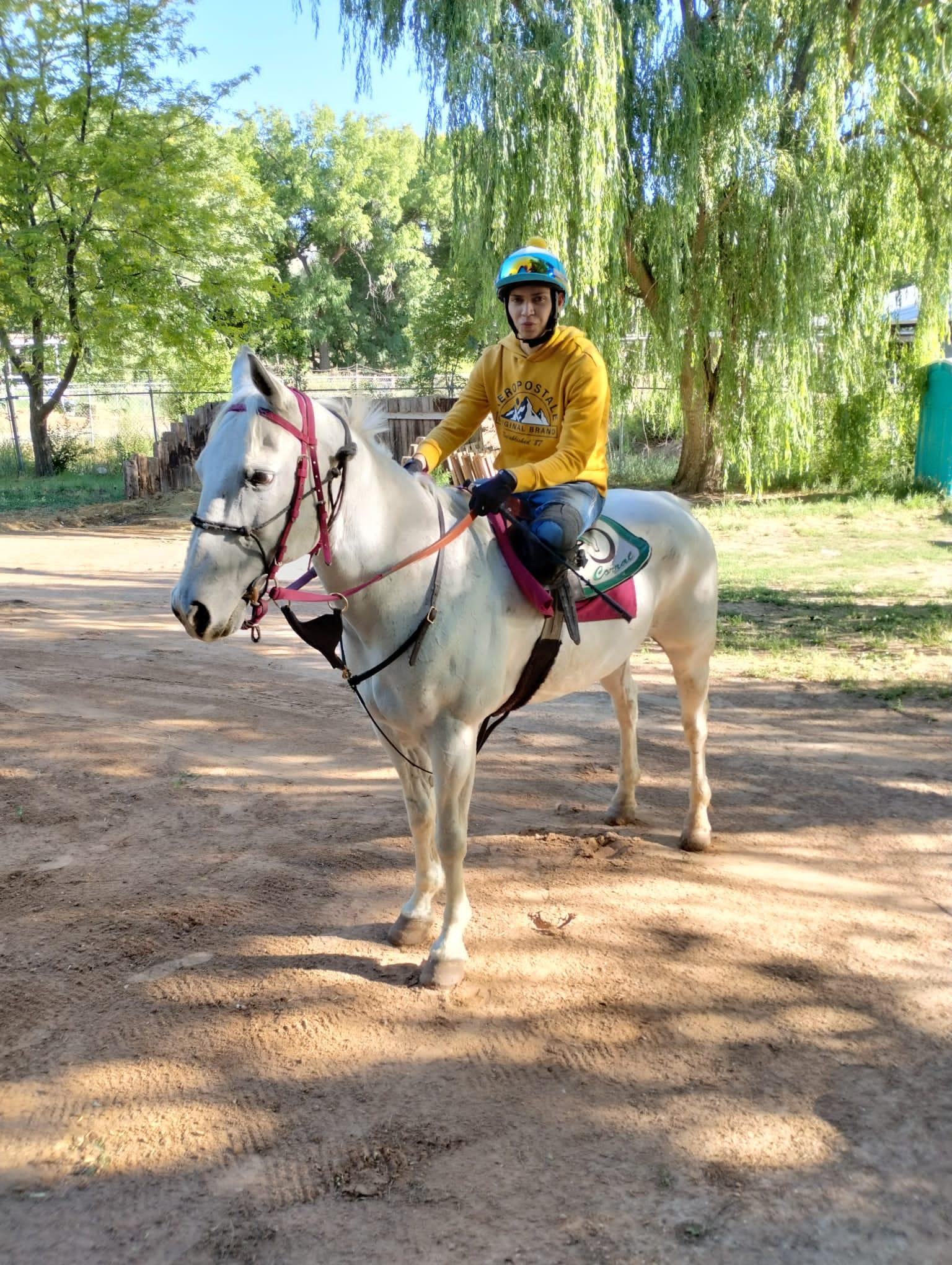
The 23-year-old moves through the barn with the practiced confidence of someone who has spent his entire life around racehorses. He helps saddle horses, talks through the morning set list with trainer Andres Gonzalez, then swings aboard and heads toward the track.
To most people walking the backside, he looks exactly where he's supposed to be.
Only after a closer look do they notice the prosthetic leg.
Four years ago, few believed Bourdieu would ever ride a horse again.
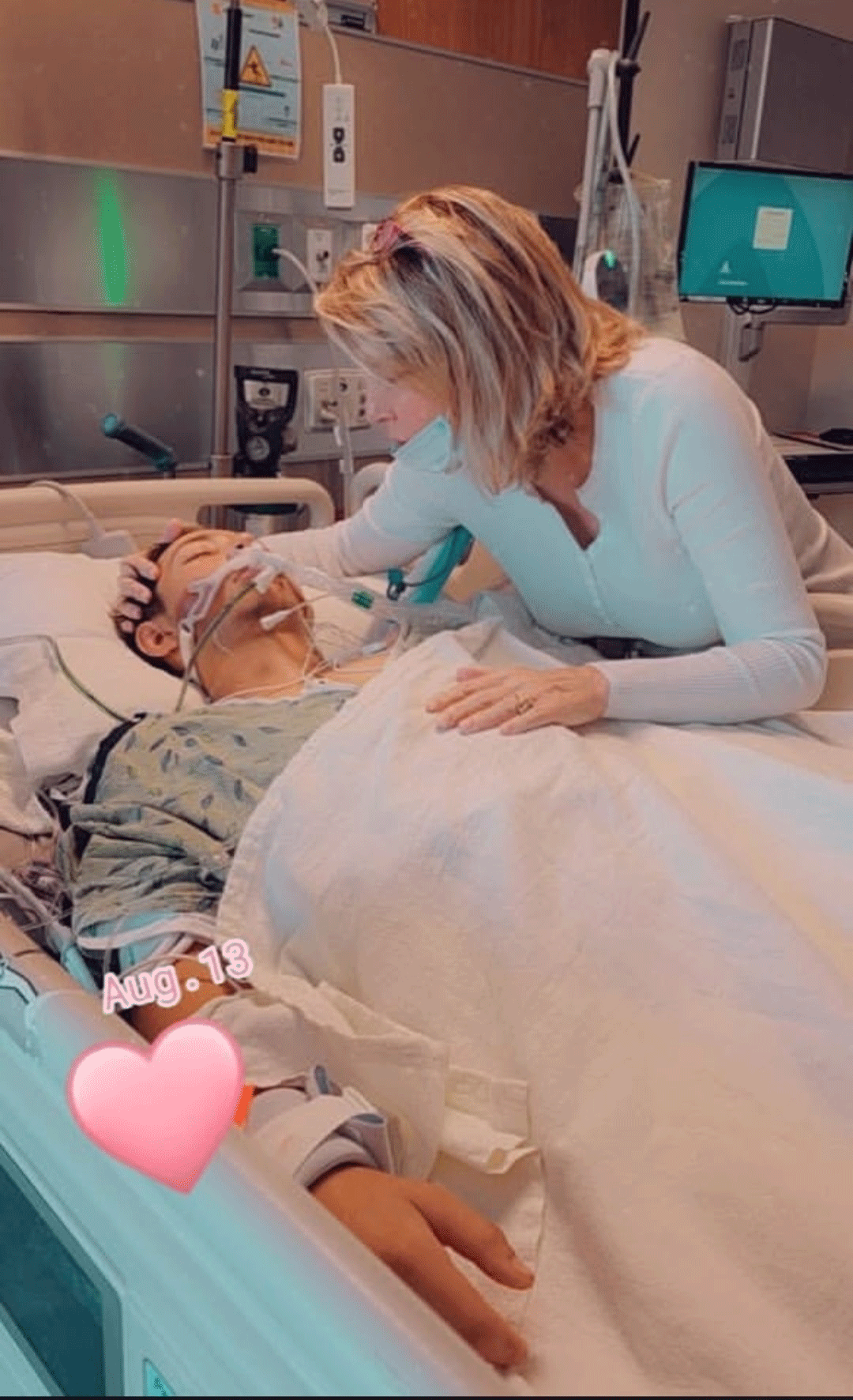
On Aug. 11, 2022, Bourdieu was galloping a young filly at a ranch near Elgin, Texas, when an ordinary training ride turned catastrophic.
Nothing had seemed unusual. He even left his riding crop back at the barn. As he prepared to circle, he slipped both feet from the irons. Moments later, the filly flipped backward, crashing on top of him.
"I tried to stand up," Bourdieu recalled. "I couldn't feel my legs."
The accident fractured several vertebrae and his tailbone. Bone fragments entered his spinal cord, requiring emergency surgery that same day.
But another battle was only beginning.
The horse's weight had devastated his left leg, causing extensive muscle damage and compartment syndrome. Over the next several weeks, surgeons performed 13 operations to save it.
For nearly ten days, Bryce and his mother, Julie Farr, faced an even more frightening question.
Would he ever walk again?
"We didn't know if he was paralyzed," Farr said. "He couldn't figure out how he could ride a horse if he was paralyzed."
Then came the first encouraging signs. Feeling slowly began returning to his legs.
"As long as I'm not paralyzed," Farr remembers her son saying, "I can still ride."
Saving Bryce’s leg, however, proved impossible. After exhausting every option, doctors told Farr they would need to amputate below the knee.
Bryce made his mother promise that, if the day came where they needed to amputate his leg, she’d be the one to tell him.
She did and his response surprised everyone.
"I can still ride horses."
There was no anger. No bargaining. No self-pity. Once the decision was made, Bryce turned his attention to the only question that mattered.
How do I get back?
The answer would take years. Bourdieu spent seven weeks hospitalized in Austin before transferring to an inpatient rehabilitation facility for another three weeks.
Unable to move his legs and facing the prospects of a challenging road ahead, frustration consumed him.
Then, one conversation changed everything.
"If you're not willing to help yourself," a doctor told him, “No one else is going to help you."
"It was a very humbling moment," Bourdieu said.
His perspective shifted.
"What happened was a smack across the face," he said. "But it worked. Pick your head up and tough it out."
For Farr, strength became a choice she had to make every day. When Bryce wasn't looking, she'd slip into the hospital parking garage and cry. Then she'd walk back inside smiling.
Hospital chaplains encouraged her to become the strength Bryce needed to lean on.
"I made several trips to the parking garage in tears," she said. "But once I was able to do that, it gave him strength to hold on to. We carried each other through it."
Horse racing was always a part of Bryce's story. His father rode professionally. His mother built a career in racing. As a little boy, he spent hours pretending to saddle and ride a toy horse in the family living room, hanging miniature racing silks before climbing aboard.
"It's always been in his blood," Farr said.
After high school, despite his mother's hope that he might choose another path, Bryce made his decision.
"I've decided I want to be involved in this," Farr recalled him saying.
She knew there would be no changing his mind. That passion never left him.
"When they cut off my leg," Bryce said, "I always said I'd get back on a horse."
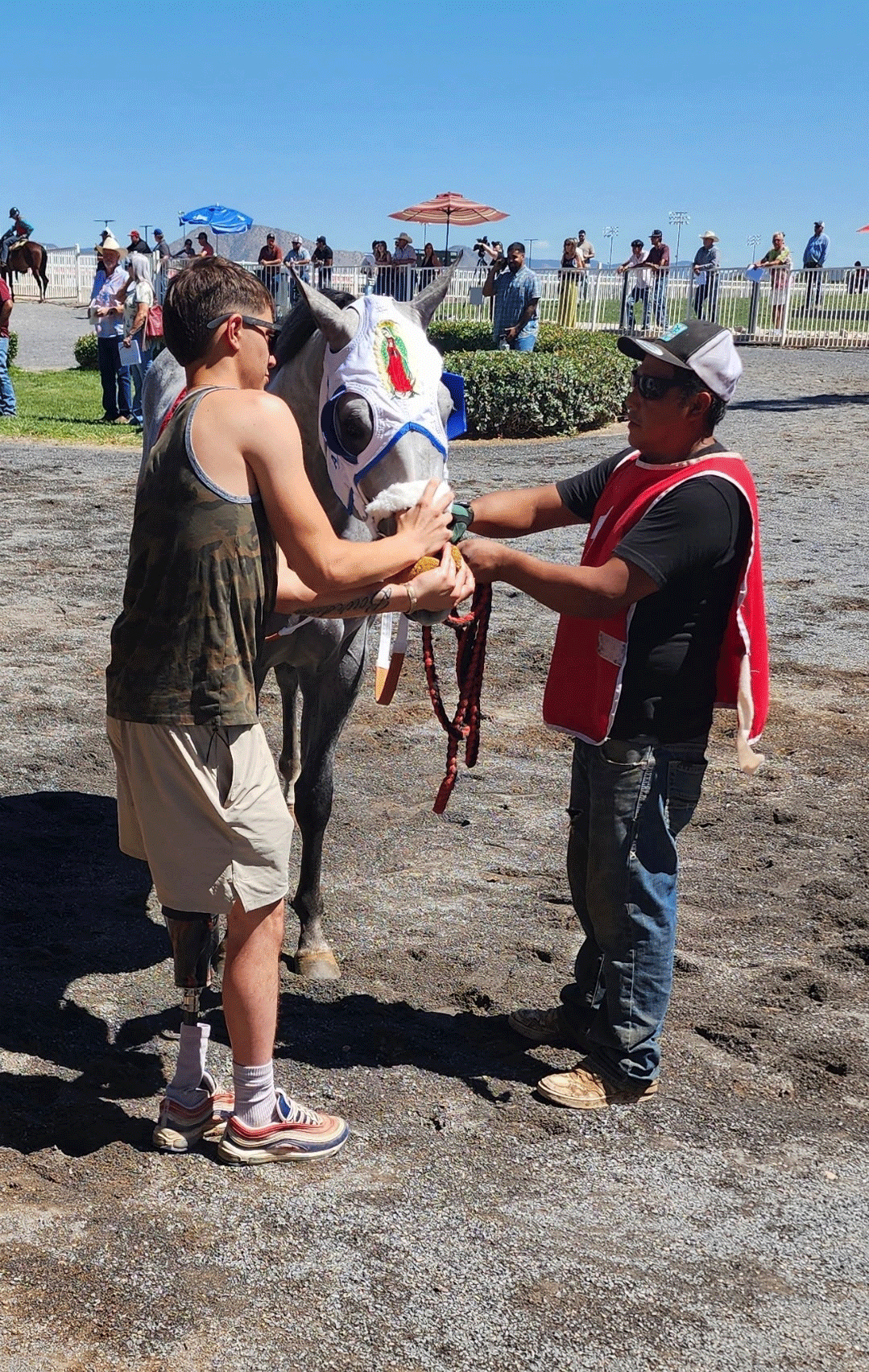
He didn't receive his prosthetic leg until nearly a year and a half after the accident. Simple routines became daily challenges. Getting out the door took longer. Walking hurt. Everything required more planning. Still, every therapy session had the same purpose.
Ride again.
The first horse he climbed aboard wasn't a racehorse. It was a pony. For months, Bourdieu relearned balance, rhythm and confidence before eventually graduating back to galloping Thoroughbreds. Farr stood nearby the first time he settled into the saddle again.
"It was just beautiful," she said. "He told me, 'I can forget all the pain as long as I can do this.'"
Today, Bourdieu works as assistant trainer for Andres Gonzalez at Albuquerque Downs, where he has spent the past two years learning every aspect of developing racehorses.
Gonzalez has known Bryce almost his entire life. Years ago, he trained horses ridden by Bryce's father and remembers Bryce as the little boy following him around the barn.
Now, he depends on him.
"He's my assistant," Gonzalez said. "He'll gallop horses in the morning, help saddle, and pretty much do everything around the barn."
What impresses Gonzalez most has nothing to do with Bryce's prosthetic leg. It's his attitude.
"He motivates me," Gonzalez said. "Seeing a kid his age, to take everything he's gone through and keep taking positive steps. I've seen other people go through much less and go the opposite direction."
Bryce has become the kind of horseman every trainer wants in the barn.
"He'll groom horses. He'll gallop horses. He'll do whatever needs to be done," Gonzalez said. "He's always working. He's always thinking more about everybody else than himself. He's not selfish. He's always trying to do what's best for the horses and for the barn."
That reputation extends well beyond one shedrow.
"A lot of people are surprised by everything he can do," Gonzalez said. "They look at Bryce and think, 'If he's going to keep pushing after everything that's happened to him, why can't I?'"
The accident changed more than Bryce's body and spirit. It changed the direction of his career. At 19, he measured success by how quickly he could become a jockey. Today, patience has become one of his greatest strengths.
"The accident taught me I was trying to do things too fast," he said. "It was telling me to slow down."
Instead of focusing only on riding races, he became fascinated by every stage of developing a horse.
"I love galloping in the morning," he said. "I love seeing horses improve. I love seeing owners happy."
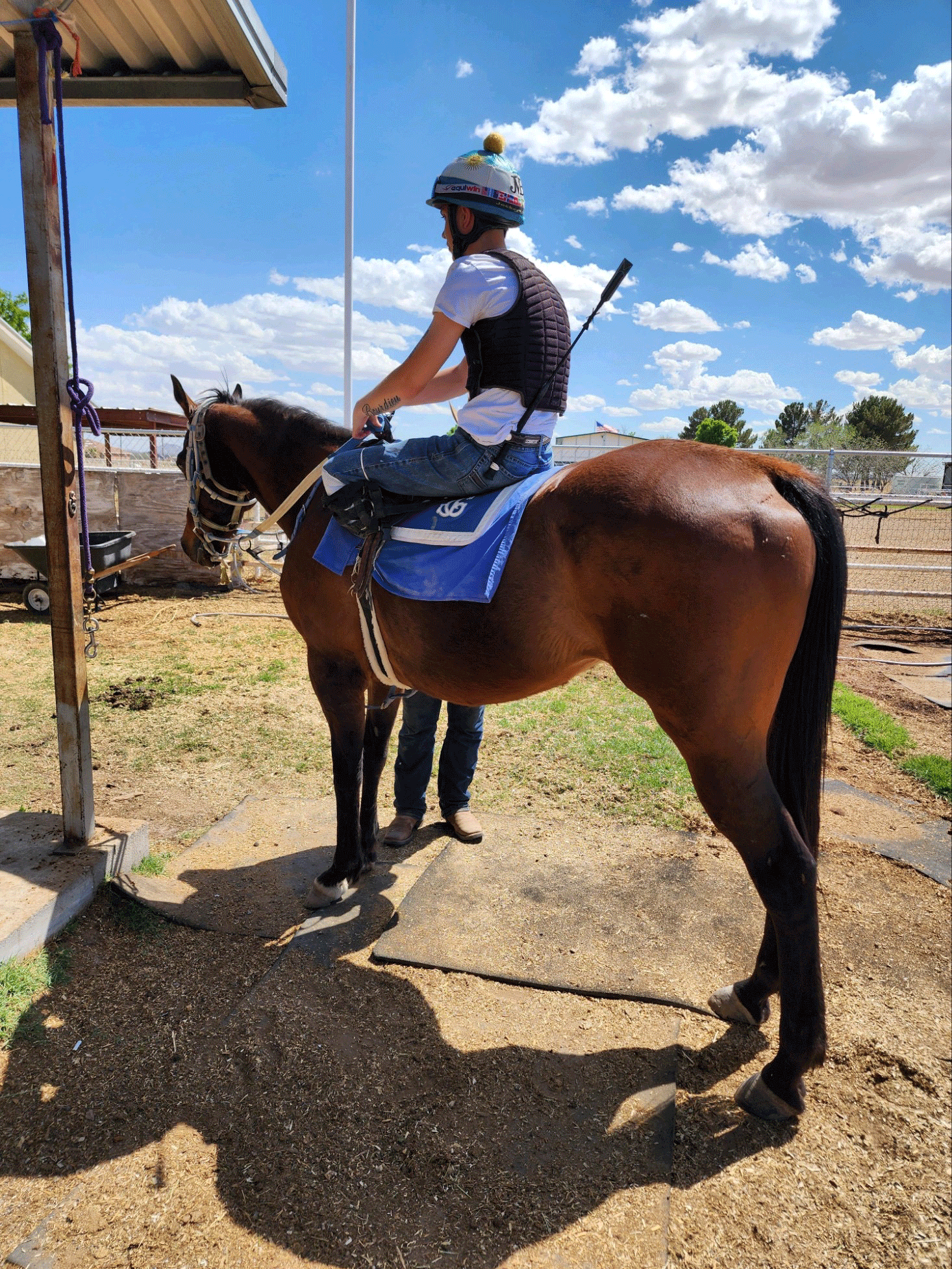
His dream has evolved. One day, he wants his own stable. His own horses. His own barn. Gonzalez believes he's already on that path.
"He's aiming more to become a trainer," Gonzalez said. "He's always asking questions. That's how you learn. That's how I learned. He's taking all the right steps."
The changes in Bryce aren't confined to the racetrack. Farr says the accident forced her son to grow up in ways few young people ever experience.
"He doesn't take anything for granted anymore," she said. "He's very mature. He's thoughtful. People listen to him because he has a lot of wisdom for someone his age."
Their own relationship changed, too. Once a single mother raising a determined teenager, she now calls him one of her best friends.
"It strengthened our whole family," she said.
She also believes the racing industry deserves part of the credit. Horsemen and women from across the country, many of whom had never met Bryce, offered financial support, encouragement and prayers throughout his recovery.
"It wasn't just the foundation I laid," Farr said. "This industry held Bryce up and got him to where he is right now."
Bourdieu doesn't spend much time asking why the accident happened. He'd rather focus on what it taught him.
"It doesn't matter the situation," he said. "It's how you respond to it."
Those closest to him see that response every morning.
"It's hard to see somebody so young handle something like that the way Bryce has," Gonzalez said. "He has a good head on his shoulders. He inspires people."
His mother sees something else. She sees the little boy who once dreamed of racehorses. Only now, that dream is bigger than becoming a jockey. It's about becoming a horseman.
Long before sunrise, Bryce Bourdieu climbs into the saddle, gathers his reins and heads out for a gallop beneath the New Mexico sky.
Four years ago, doctors weren't sure he would walk again.
Today, he's back where he's always belonged not because he found his way back to the sport, but because the journey revealed the kind of man he was becoming all along.