


The Incomparable Cigar: A Trainer’s Ability to Transform an Athlete into a Champion
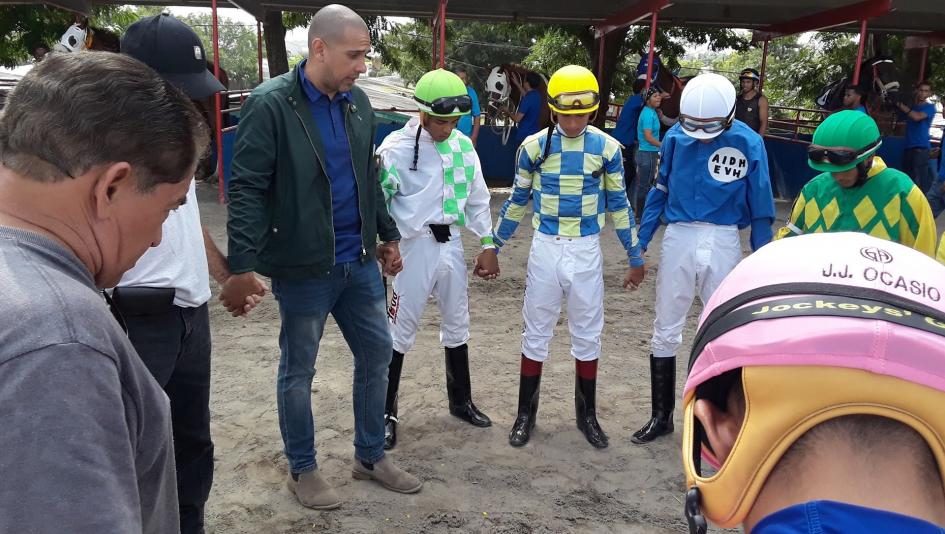
Before the grandstand fills and long before the day’s first race, there is a quieter rhythm on the backside. Horses move through the morning. Workers tend to the routines that keep a racetrack alive. And, often during a break in training, a voice comes over the track with a prayer — offering reflection, asking for safety, and sharing a measure of light for the day ahead.
That voice belongs to one of the most distinctive and quietly essential members of the racing community: the racetrack chaplain. Chaplains serve a population as diverse as the sport itself, moving between barns, offices, backside kitchens, chapel rooms, hospitals, fundraisers, and early-morning shedrows. Their work can be spiritual, practical, pastoral, logistical, and, at times, life-saving.
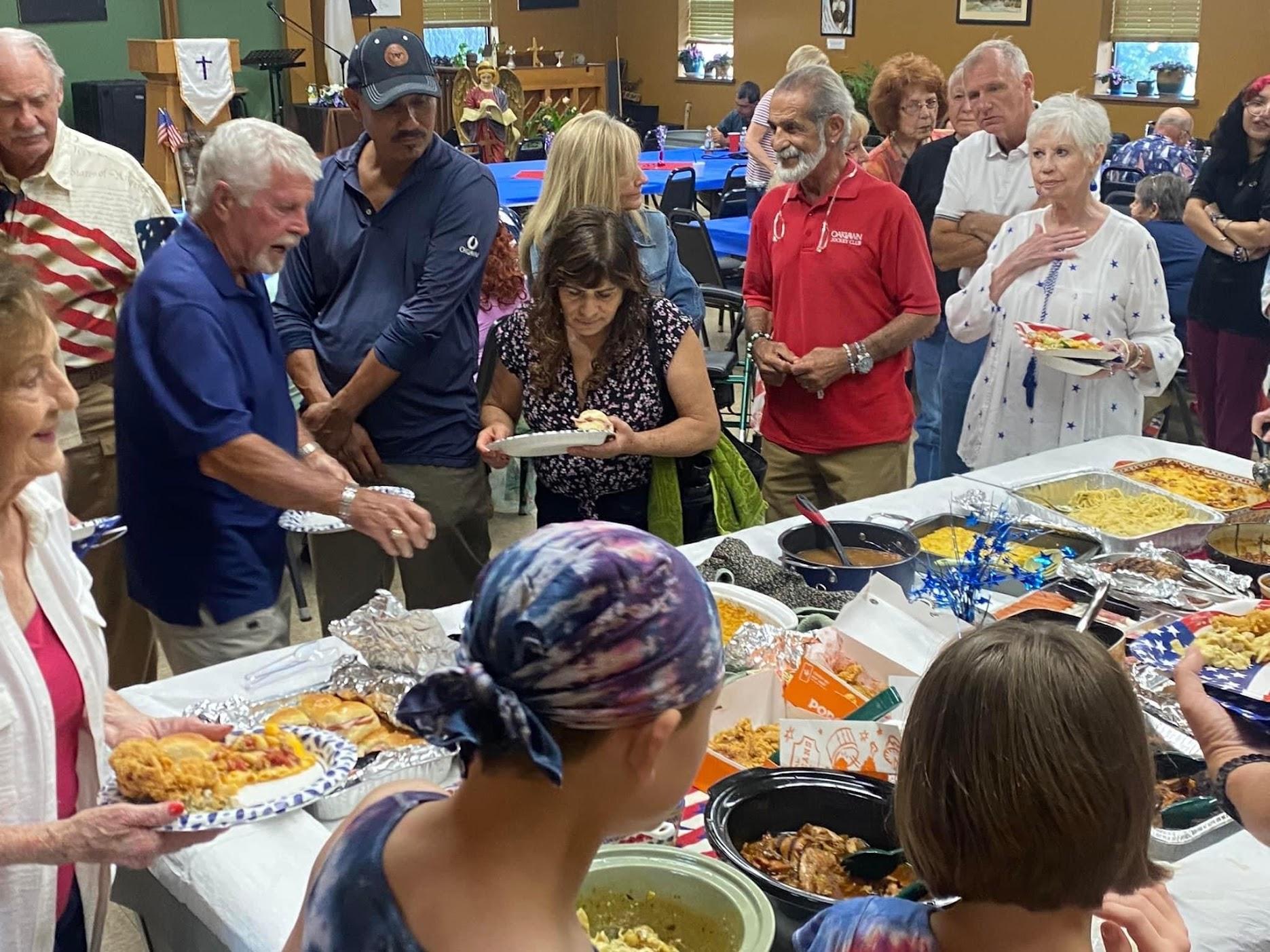
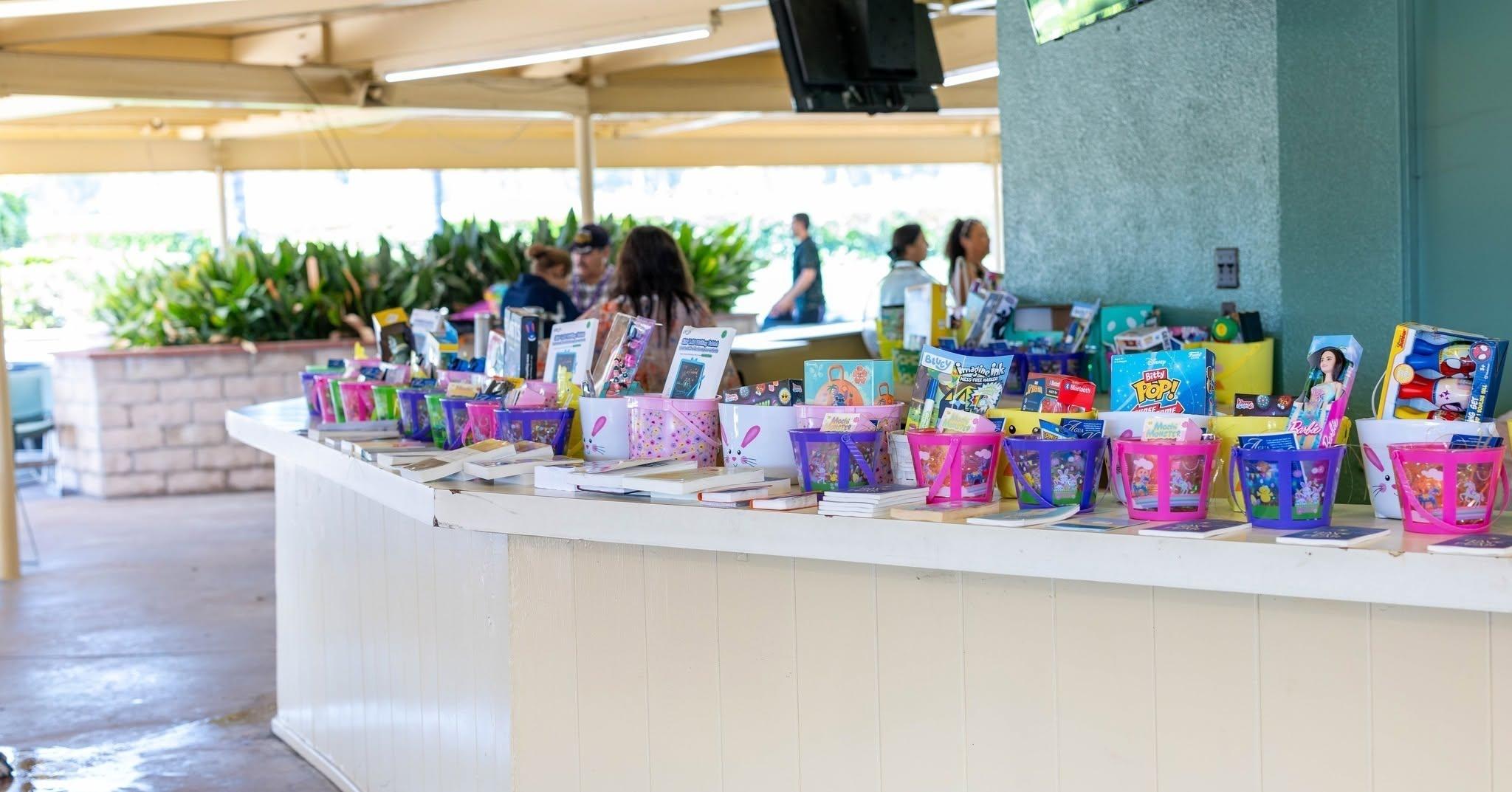
On any given day, chaplains may pray with the gate crew and outriders, visit workers in the barns, organize food banks and clothing closets, lead worship services, arrange recreational activities, counsel families, respond to crises, or connect people with healthcare, legal, immigration, housing, or financial resources. They also serve as a bridge between the backside and the front side, appearing at prayer breakfasts, evening banquets, and fundraisers to remind racing management of the people who sustain it.
The need is significant. The horse racing workforce is highly nomadic, with many workers moving from track to track. Some arrive with little more than what they can carry, sometimes coming from a different part of the country without proper clothing or basic supplies. The chaplaincy provides something steady: a familiar door, a listening ear, and a community ready to help.
The Race Track Chaplaincy of America traces its beginnings to founder Horace William “Salty” Roberts, who began ministering to racetrack workers and helped establish worship services on the backside. The organization was incorporated in 1972 and has grown into an interdenominational nonprofit network serving people involved in horse racing through local chaplaincies, councils, volunteers, and a national office in Lexington, Ky.
Today, the nation RTCA supports affiliate chaplaincies and councils — the “boots on the ground” — that serve racetracks, farms, and training centers across the United States, Canada, and Puerto Rico. Local programs differ by region. Some have multiple staff members; others rely on councils and volunteers. Together, they offer chapel services, youth enrichment, women’s programs, teen mentoring, recreation, emergency assistance, referrals, and day-to-day support for workers and their families.
In Kentucky, the Race Track Chaplaincy program serves tracks including Churchill Downs, Ellis Park, Turfway Park, Kentucky Downs, Belterra Park, and area training centers. In New York, the chaplaincy supports a large backside community with programs for workers and families. In Maryland, chaplaincy efforts have included English lessons and gift bags for grooms on Maryland Million Day. In California, a cornhole tournament at Santa Anita Park became another way to build fellowship and raise support.
For Dan Waits, executive director of the RTCA, the heart of that work begins with Salty Roberts’ story. Waits speaks of him with deep respect, recalling a man whose life changed dramatically after a difficult period marked by drinking, unreliability, and disappointment. Roberts, once an exercise rider, had reached a low point. The only job he could find was as a parking lot attendant at the track. One day, after arriving inebriated and lying down in his car, he was awakened by a college student who handed him a gospel tract. The moment became a turning point.
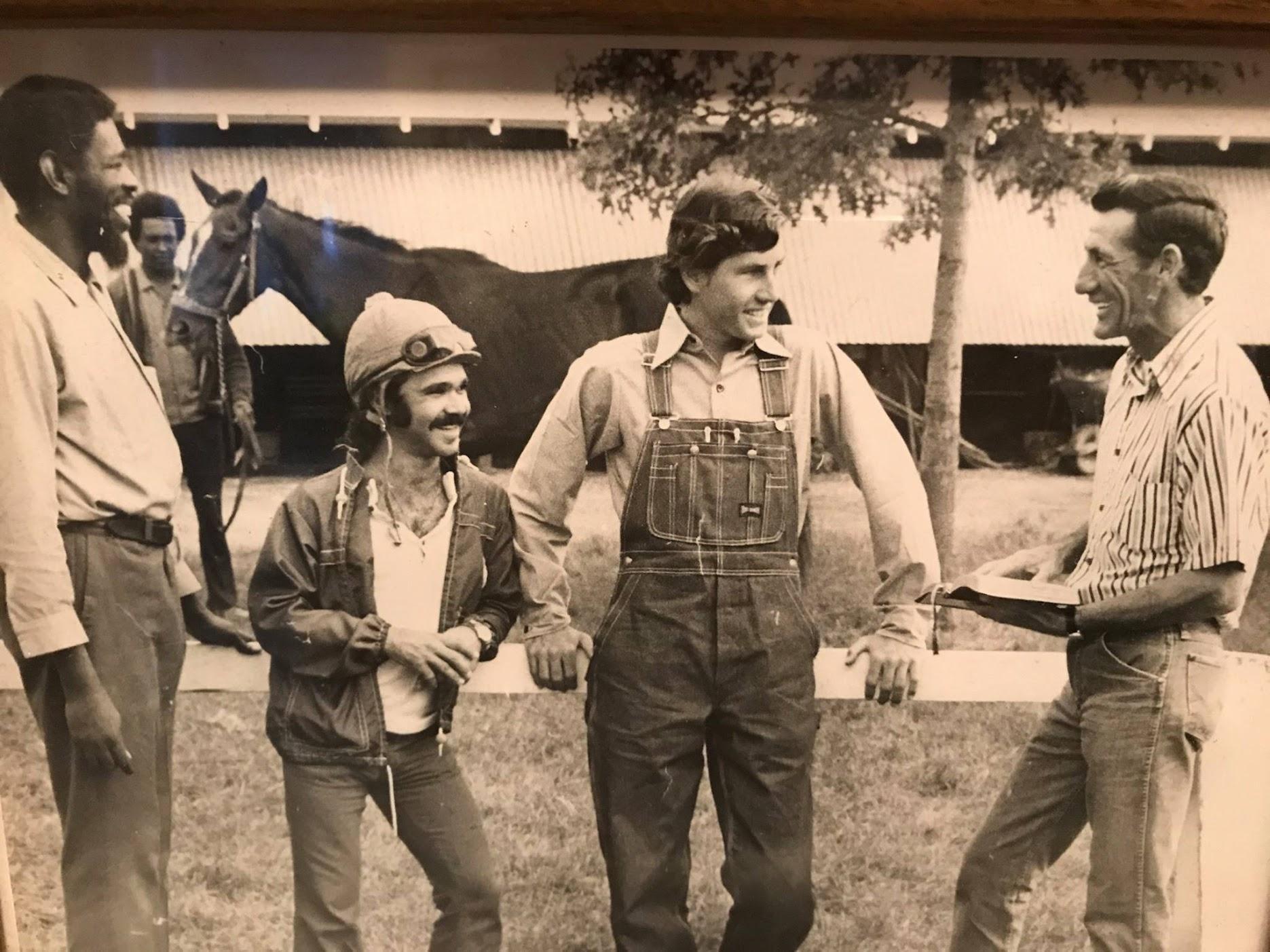
Roberts eventually went to Calder Race Course with a new purpose. “They took an old paint shack, brought in an upright piano and had a church service for maybe eight people,” Waits said. “It was a success. Salty had a vision and made it his life’s mission to go around and plant chaplaincies all throughout the horse racing industry.”
Dogwood Stable founder Cot Campbell once wrote that Roberts “embraced Christianity with the same verve he had applied to raising hell in his early life.” The description fit a man remembered for the intensity of his faith, his weathered authenticity, and his readiness to pray at the slightest invitation.
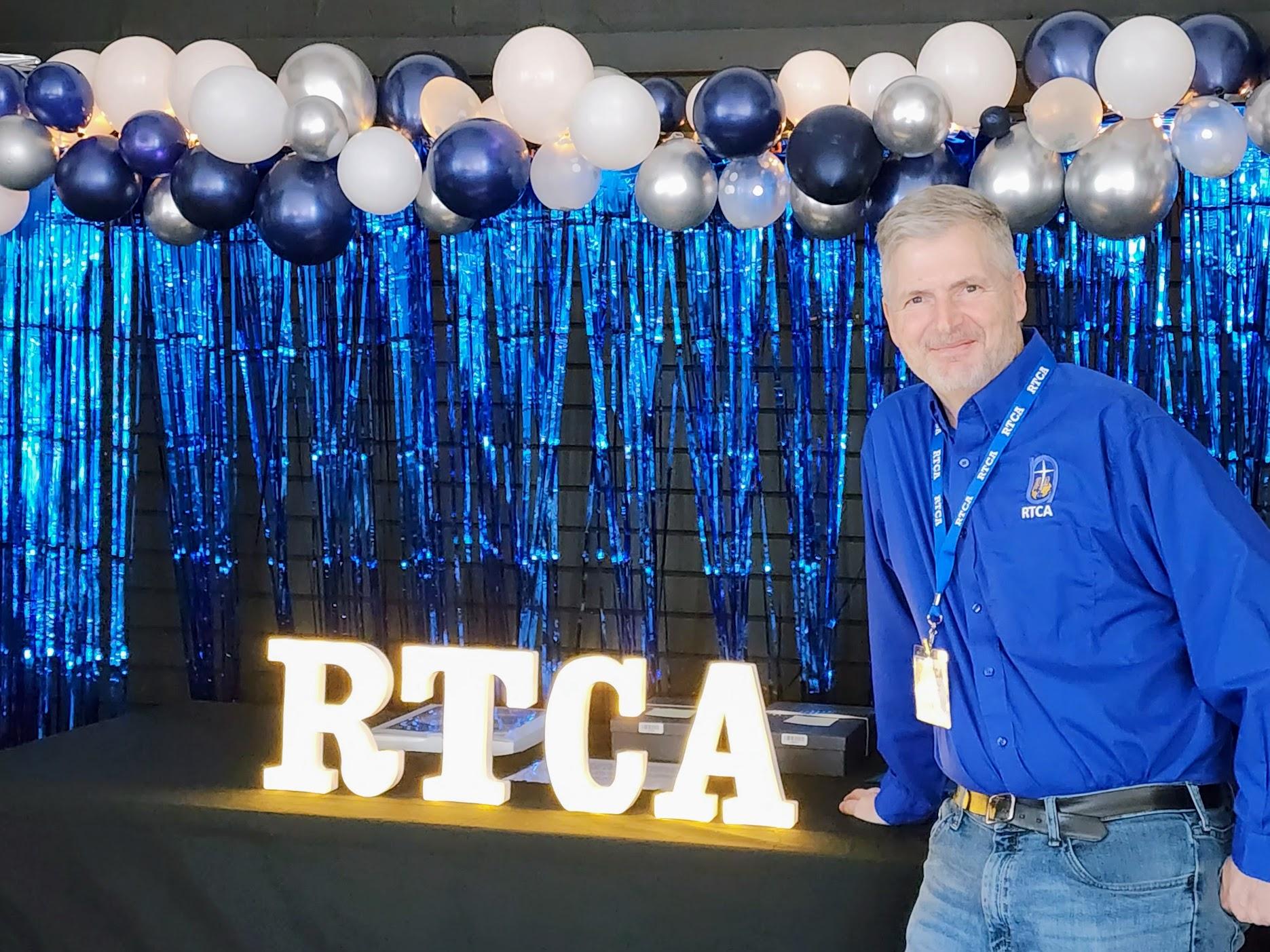
From that beginning, the national organization has become a support system for the chaplains themselves. Waits manages the RTCA national service center in Lexington with Omar Aracena, director of advancement and operations; and Sandy Martin, administrative assistant. Their work includes day-to-day operations, events, chaplain recruitment and education, ministry resources, funding guidance, chaplain school, the national conference, and relationship-building with track management, horsemen’s groups, and the wider industry.
The RTCA Board of Directors, many with personal ties to the equine world, includes representatives with a shared commitment to serving horse racing workers. A network of regional and at-large ambassadors also connects the national mission to local needs. Through that structure, the chaplaincy can respond to concerns that range from the simplest necessities like food, clothing, or transportation to more complex challenges involving healthcare, immigration, finances, and family life.
RTCA also depends on fundraising and industry support. Each year, the organization hosts events including a spring golf tournament and, during Breeders’ Cup week (this year at Keeneland), “A Night of Faith, Hope and Love.” The evening features music, a guest speaker, the RTCA Community Service Award, and the premiere of the RTCA White Horse Award video.
RTCA Founder’s Award recipient and Hall of Fame jockey Pat Day, a past president and longtime industry spokesperson, understands why the calling is demanding. “I had many wonderful experiences during my 32 years as a Thoroughbred jockey,” Day said, “but my work with the chaplaincy is decidedly more rewarding and fulfilling.”
For Day, the strength of the ministry is found in the chaplains. “You’ve got to be called to this ministry,” he said. “It’s not a glamour job. They are out there early in the morning. Their congregation is the backside workers, and it’s a very fluid population moving from track to track.”
Chaplains, Day added, are expected to cultivate relationships across the racetrack, serve people in hard times, provide spiritual care, and connect with the front side of the track so the broader racing community understands and supports the work.
Hall of Fame jockey Mike Smith sees the same commitment. “They are an amazing group of people,” he said. “They do so much for the backside community and the front side, from all the charity work they do to just being there to pray with the racetrack community.”
The stories that reach Waits are often deeply personal. “We’ve had people on the brink of doing something terrible and drastic,” he said. “They reach out to their chaplain. The chaplain provides the right resource, or they provide the right encouragement, or they just listen and pray with them. These stories happen all the time.”
That is why Waits says his own role is to care for the caregivers. “My focus is to be a pastor to the chaplains and make sure they are doing OK,” he said. “How are you doing spiritually, mentally, and physically? If I can make sure that the folks in the field are doing well and that they are whole, they are the ones that are the real heroes. My job is to make sure that the heroes are equipped and that they’ve got what they need.”
In a sport built on speed, strength, and spectacle, racetrack chaplains tend to the quieter realities that make the industry human. They minister to spiritual, emotional, physical, social, and educational needs. They show up before dawn, stay present through crisis, celebrate milestones, mourn losses, and help people find their footing. Their work may begin with a prayer over the backside, but it continues in countless unseen acts of service — one conversation, one meal, one ride, one visit, one answered call at a time. In those moments, they make a difference that reaches far beyond the racetrack.