


Tiznow, the Two-Time Breeders' Cup Winner and Beacon of Hope After Sept. 11
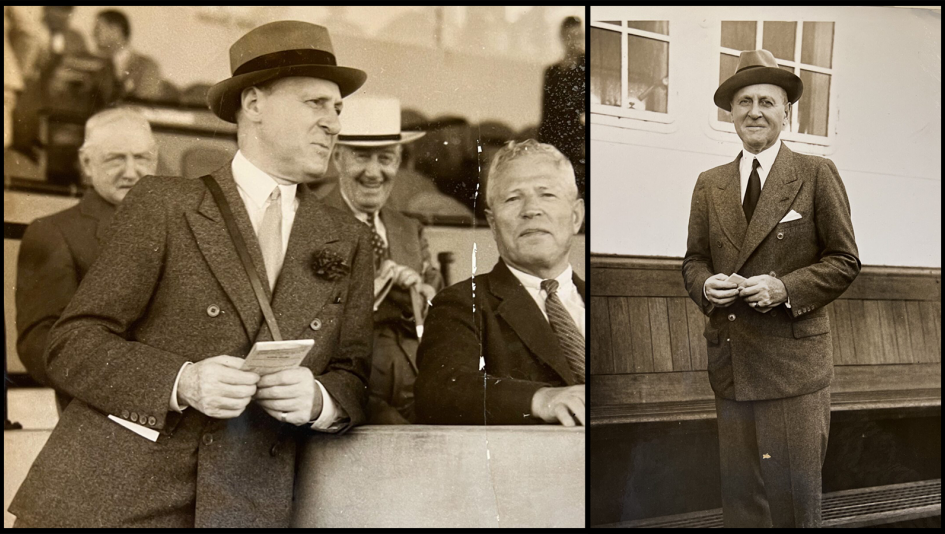
A son of a butcher turned business magnate, Joseph E. Widener was a visionary architect of modern American racing, known for transforming Hialeah Park into a world-class destination and leading Belmont Park through a pivotal era of elegance.
As a titan of the sport and a dedicated preservationist, he combined his passion for fine art with a commitment to racing’s aesthetic and structural integrity. His lasting legacy remains in the pedigrees of the sport’s athletes as well as his tireless efforts to elevate the social and cultural prestige of the American turf.
When Peter Arrell Browne Widener died in 1915, the headlines referred to his $60 million estate, built on his many business ventures. The Philadelphia native started as a butcher, expanded to a chain of meat stores, and then built his fortune first with a contract to supply mutton to the Union Army during the Civil War. From there, Widener partnered with William Lukens Elkins and William H. Kemble to found the Philadelphia Traction Company, which established electric trolley systems in several major cities. His other business dealings included American Tobacco Co., International Mercantile Marine Co., and U.S. Steel, plus significant investments in commodities like railroads, oil, and natural gas. Upon the elder Widener’s passing, his fortune went to his youngest and lone surviving son, Joseph Early Widener.
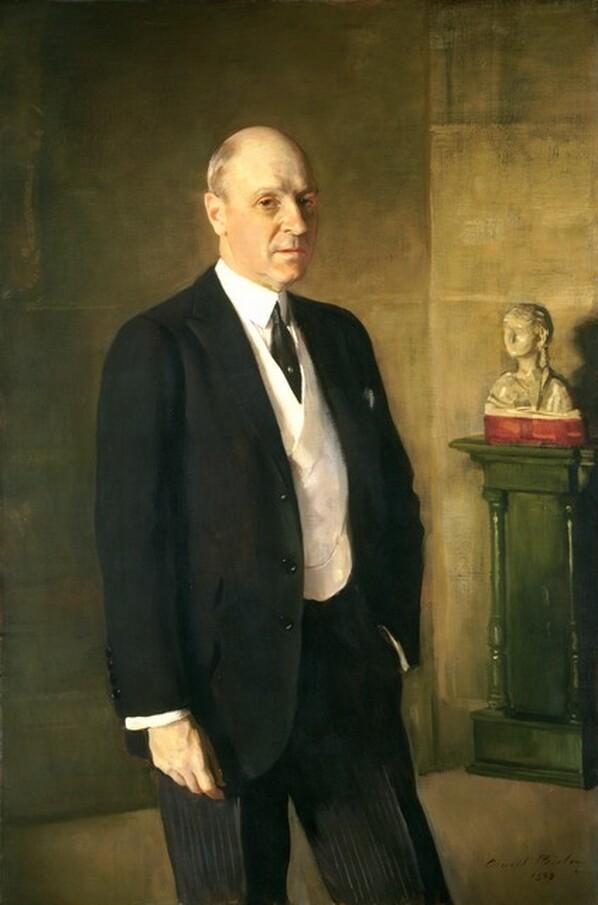
Joseph’s oldest brother Harry had died of typhoid fever at age 11 in 1871, and then brother George Dunton Widener and his son Harry lost their lives with the RMS Titanic in 1912, a tragedy from which the elder Widener never recovered. As the lone heir to his father’s fortune after the deaths of his brothers and his mother in 1896, the younger Widener took over the family estate at Lynnewood Hall and his father’s prodigious art collection, which included works from Degas, Donatello, El Greco, Monet, Raphael, Rembrandt, Titian, and van Dyck, among others. In addition to managing the Widener family estate and its holdings, Joseph Widener continued expanding his father’s collections and pursued his interest in horse racing.
The younger Widener had purchased his first Thoroughbreds before age 20, though Vendetta and Radiant were nothing to write home about. Undeterred, he continued purchasing and racing with most of his success coming in steeplechase races in those early years. Two of his best, Bushranger and Fairmount, are in the Hall of Fame for their achievements over the jumps. Together with trainer John Howard Lewis, they had 12 steeplechase and two flat champions.
In 1923, Widener also purchased a portion of James Ben Ali Haggin’s Elmendorf Farm along with his nephew George D. Widener Jr.; he maintained the name Elmendorf for his portion while his nephew named his portion Old Kenney Farm. By this point in the early 20th century, Joseph Widener was a member of The Jockey Club and had served as a steward as well. His fortune and his career committed to the sport of horse racing, Widener took a step forward upon the passing of his friend August Belmont II in 1924.
Upon the sudden passing of August Belmont II, The Jockey Club that he had helped found and served as chairman of for three decades found itself without a leader. Among the names floated for the post was Joseph E. Widener, “a man peculiarly fitted to govern the sport. Mr. Widener has every attribute that would make him a fitting successor,” the Daily Racing Form wrote.
Given that the sportsman lived in Philadelphia rather than New York, he was passed over for that post, but the passing of his friend did give Widener an opportunity that would seal his place in New York racing history.
He became president of the Westchester Racing Association, the group that owned Belmont Park, and set out to make the racetrack one of the best in the country. He added a chute through the middle of the 1 ½-mile oval so that races like the seven-furlong Futurity could be run on a straightaway, lessening the chances of crowding in those valuable juvenile features. When he saw bare spots around the newly constructed straight, he ordered trees planted to beautify the area. His efforts made Belmont Park a destination for racegoers, including his friend Edward George Villiers Stanley, the 17th Earl of Derby.
Lord Derby visited the United States in the spring of 1930 as Widener’s guest. He took him around New York and Kentucky, including Elmendorf Farm, where the Earl’s own Sickle stood as per a lease agreement between the two men.
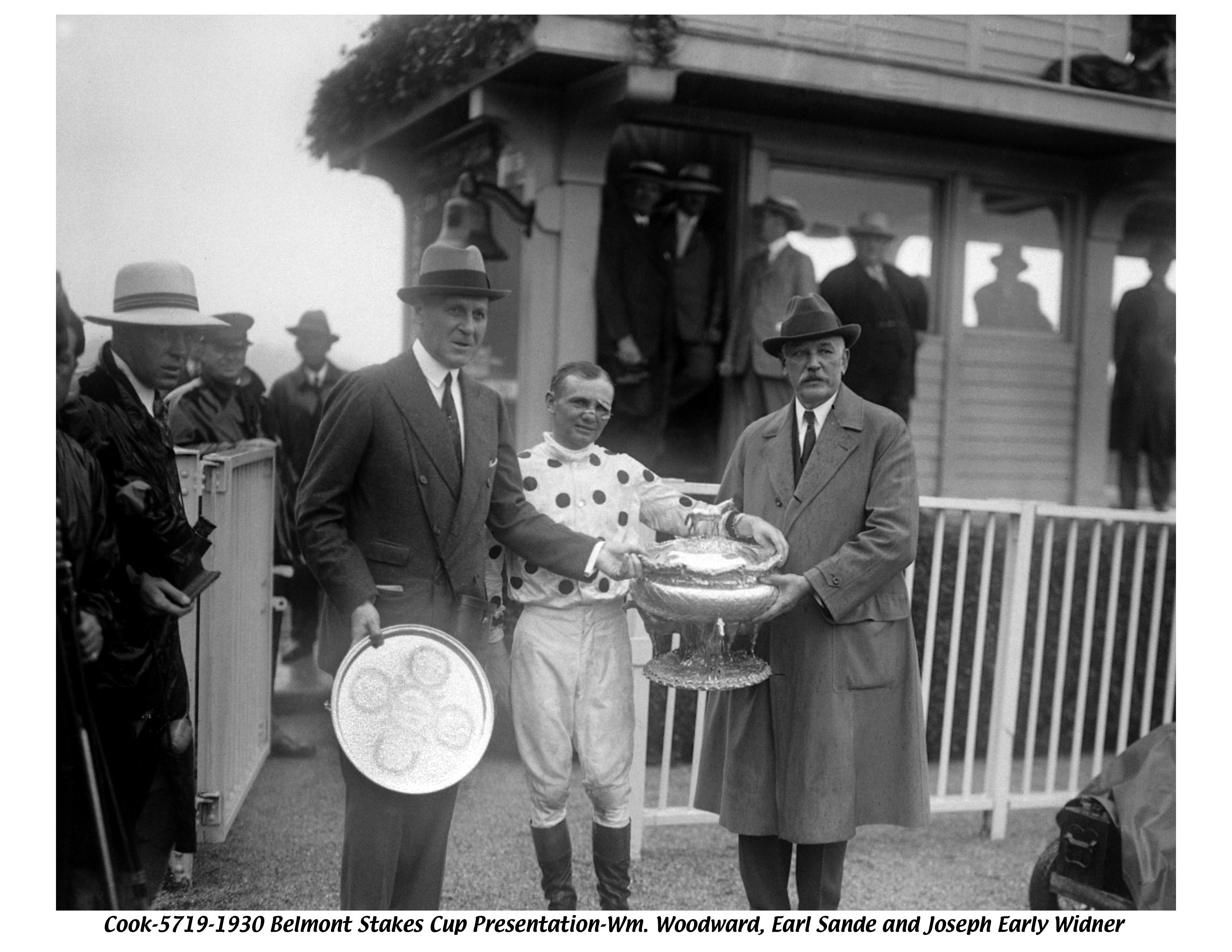
Widener also took his guest to the Kentucky Derby, where Lord Derby saw his friend William Woodward’s Gallant Fox win the second of the three Triple Crown classics. Widener was the one who presented the Belmont Stakes trophy to Woodward weeks later when Gallant Fox sealed his Triple Crown with his easy victory.
That same year, Widener bought Hialeah Park racetrack in Miami. Seeking to make the south Florida track a destination for winter racing, he had ordered the hurricane-damaged facility rebuilt with a new grandstand and clubhouse along with gardens and an infield lake that he ordered stocked with flamingos. Known for its beauty, Hialeah became a winter racing favorite, with many a champion starting their season there. Widener also ordered an Australian totalizator for pari-mutuel wagering installed there, a first for an American racetrack.
Seeing that pari-mutuel wagering was the way of the future for the sport, Widener also worked to have this form of betting approved in the state of New York, which did so in 1940. While pari-mutuel wagering had been successful in other states, New York had maintained on-track bookmaking for its primary source of gambling until then. The new form of wagering was a success from the start. Attendance increased and the sport was thriving, ushering in a new era for the state.
Widener’s love of the turf and his desire to grow the sport along with his family’s wealth allowed him to invest in the business side of racing but also gave him the desire to buy and build the families of horses that would carry his silks over racetracks in both America and Europe.
Like many prominent racing families of the first half of the 20th century, Widener bred to race, developing generations of families that eventually became part of his heirs’ own breeding and racing operations.
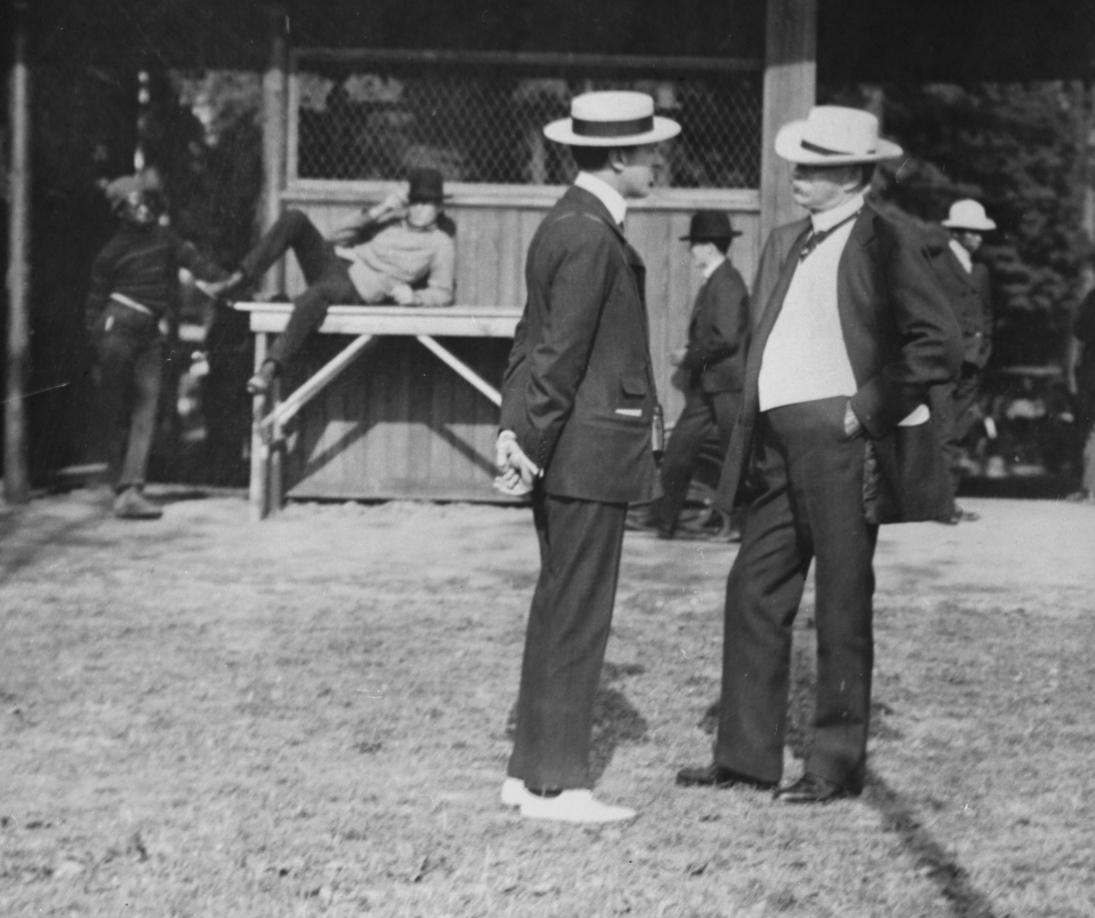
Among Widener’s other contributions to racing was his breeding program. When August Belmont’s horses were dispersed after his death in 1924, Widener spent $100,000, an enormous sum for the time, for Fair Play. He also bought Mahubah, meaning that at Elmendorf were both the sire and dam of Man o’ War, where they lived out their days and were eventually laid to rest. His purchases also included Chance Shot, who won the Belmont Stakes for Widener and later sired Peach Chance, another Belmont winner. His homebred Haste won the Withers and then sired Hurryoff, winner of the 1933 Belmont Stakes. Hurryoff’s dam, Blue Glass, also produced Unbreakable for Widener, and in 1942, the year before Joseph Widener passed away, Polynesian was born and not only won the Preakness Stakes for his son P.A.B. Widener II but also sired the great Native Dancer.
The New York Times wrote in 1931 that Joseph Widener was “the third of a turf triumvirate, the first two of which were William C. Whitney and August Belmont,” high praise for this heir who made horses as much of a passion as his family’s prodigious art collection, which led him to become a founding benefactor of the National Museum of Art in Washington, D.C. His investments in New York, Kentucky, and Florida made him as essential to the sport in his time as the peers the New York Times named, helping build modern racing as we know it.