


Breeders’ Cup Fantastic Finishes: A Nail-Biter of a Coronation
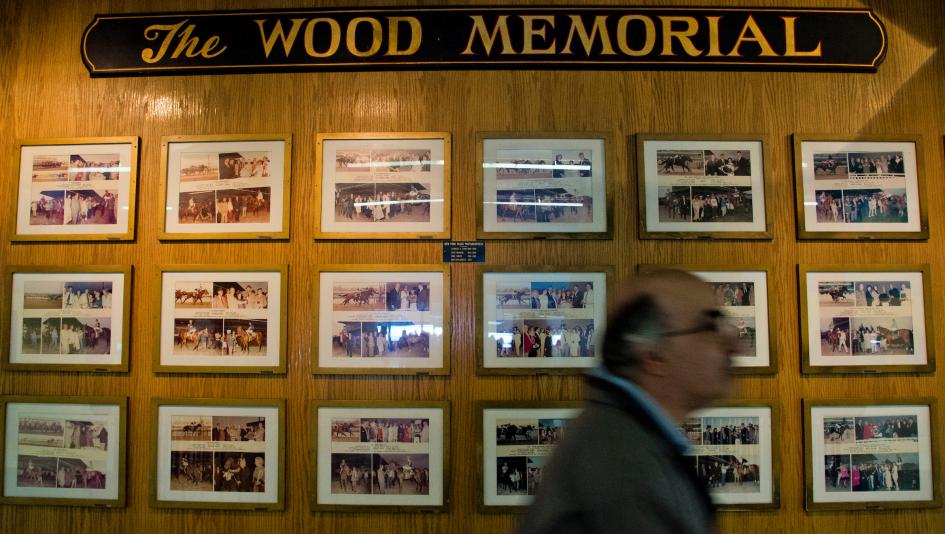
There are grand stages in American racing. Places where the crowd swells, the noise builds, and the spectacle feels inseparable from the sport. And then there’s Aqueduct Racetrack. “The Big A,” as its affectionately called, is a place that never needed any of that to matter.
This Saturday, the final running of the Wood Memorial Stakes at Aqueduct will bring a quiet, unceremonious close to one of New York racing’s most enduring institutions. Come summer, the track is expected to go dark for good. No prolonged farewell. No manufactured sendoff.
And in many ways, that feels appropriate.
Aqueduct was never about presentation. It was about presence and the people who showed up, day after day, year after year, forming a rhythm that felt distinctly, unmistakably New York.
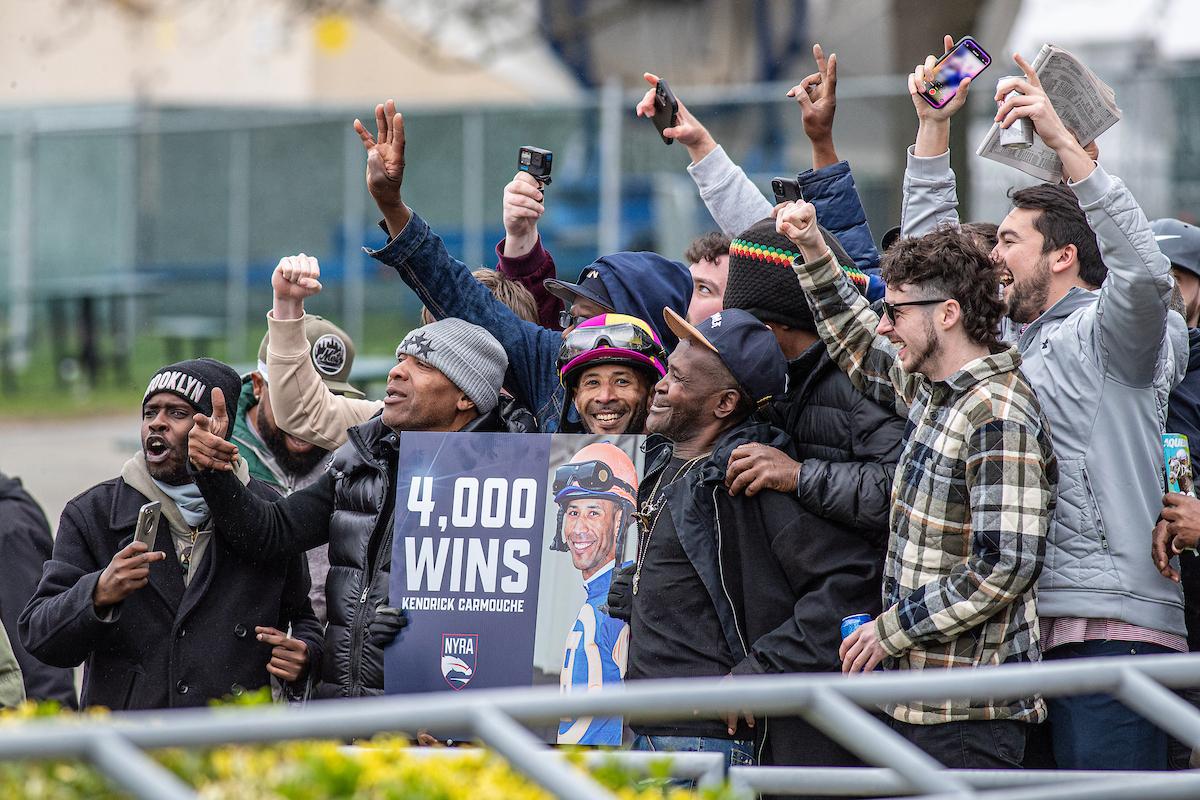
You could walk into the Big A on any given afternoon and feel like you were stepping into a living cross-section of the city itself. A melting pot in the truest sense. Jamaican regulars posted up along the rail, Southeast Asian horseplayers huddled around televisions breaking down replays, old Italian men in leather jackets arguing over figures and trips, Hispanic families filling the apron as the horses turned for home.
It was the farthest thing from flowing hats and fancy cocktails.
It was real.
And for longtime New Yorkers like former mutual clerk Joey DiMaio, who worked the betting windows at Aqueduct from 1997 to 2002, that authenticity is what made the place unforgettable.
Asked about the idea of Aqueduct as a microcosm of the city, DiMaio agreed, “It is,” he said. “People from all walks of life came to Aqueduct, and even today they still do just in far smaller amounts.”
The version of Aqueduct DiMaio remembers most vividly stretches back to a time when the Big A wasn’t just reflective of New York but pulsing with it.
“When the train pulled in, it would be a stampede of people getting off and heading straight into the grandstand,” he recalls.
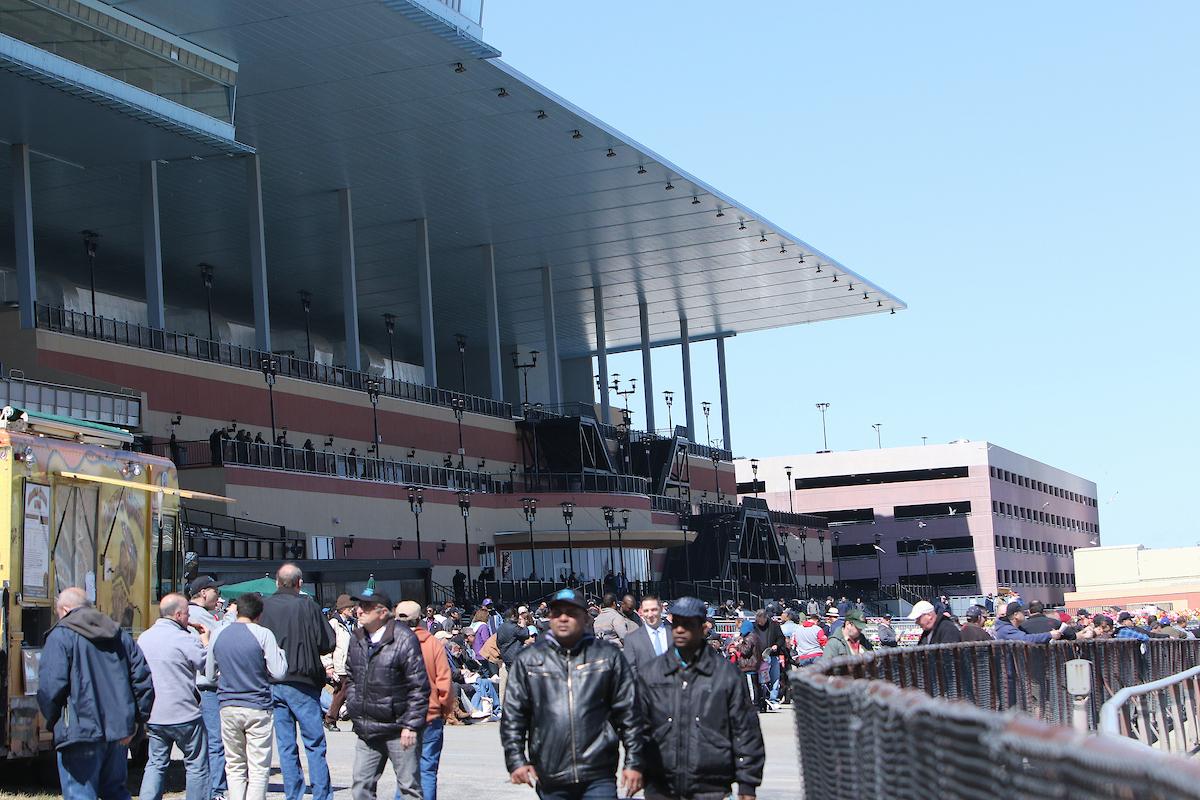
Back in the day, buses arrived from every borough. Wood Memorial Day at Aqueduct felt like an event. Crowds didn’t just fill the space, they shook it.
“The grandstand was vibrating when the horses hit the stretch,” DiMaio recalled. “It was incredible.”
Aqueduct, in those moments, was not quiet. It was alive.
Between 1930 and 2000, 11 winners of the Wood Memorial went on to win the Kentucky Derby, including Triple Crown winners Gallant Fox, Count Fleet, Assault, and Seattle Slew. Omaha and Secretariat, also Triple Crown winners, finished third in the Wood Memorial before their historic sweeps.
New York City’s Derby prep, however, hasn’t produced a winner on the First Saturday in May since Wood runner-up Funny Cide won the Derby in 2003, and the last 3-year-old to complete the Wood Memorial-Kentucky Derby sweep was Fusaichi Pegasus in 2000.
DiMaio was there when Secretariat finished a surprising third in the 1973 Wood Memorial, a result that only added intrigue heading into Louisville.
“I knew then I was going to get a good price in the Derby,” he said of the $5 win payout on a $2 bet.
And yet, for all its history, the modern reality of the Wood, and the racetrack itself, has long stood in contrast to the sport’s more prominent stages.
While Kentucky Derby preps at tracks like Santa Anita Park, Gulfstream Park, and Fair Grounds are contested before packed grandstands with festival-like crowds, the Wood Memorial unfolds in a different kind of setting.
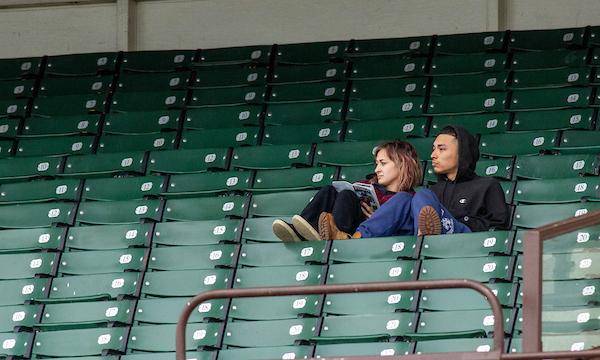
At Aqueduct, even on its biggest day, the crowd barely hits a few thousand if the weather cooperates, fewer if it doesn’t. On many race days, it’s smaller still. The vastness of the grandstand only amplifies the quiet, creating an atmosphere that feels almost intimate.
For Vince Roth, managing partner of Final Furlong Racing Stable, Aqueduct wasn’t just a place to watch races. It became the foundation of his operation’s success in New York.
A New York-bred and -focused partnership, Final Furlong built its identity at the Big A, highlighted by victories in the Busher Stakes with Espresso Shot in 2019 and her half-sister Venti Valentine in 2022. Two wins, among many others at New York City’s racetrack, that helped put his stable on the map.
“Every time I go, I turn around and stare back up at the mostly empty grandstand, trying to picture what it was like when the place was bustling,” Roth said. “There’s a charm in looking at it and imagining what it once was.”
That contrast is part of what made Aqueduct unique.
There was no barrier between the race and the people watching it. No overwhelming spectacle to compete with. You could hear the break from the starting gate, the cadence of hooves, and the collective murmur rising just enough as the field turned for home.
And within that quieter space, there was connection.
Regulars weren’t just faces in a crowd. They were part of a community. People who knew each other not by name, but by habit. By the way they studied the Daily Racing Form, or leaned into a race, or reacted when their horse made a move.
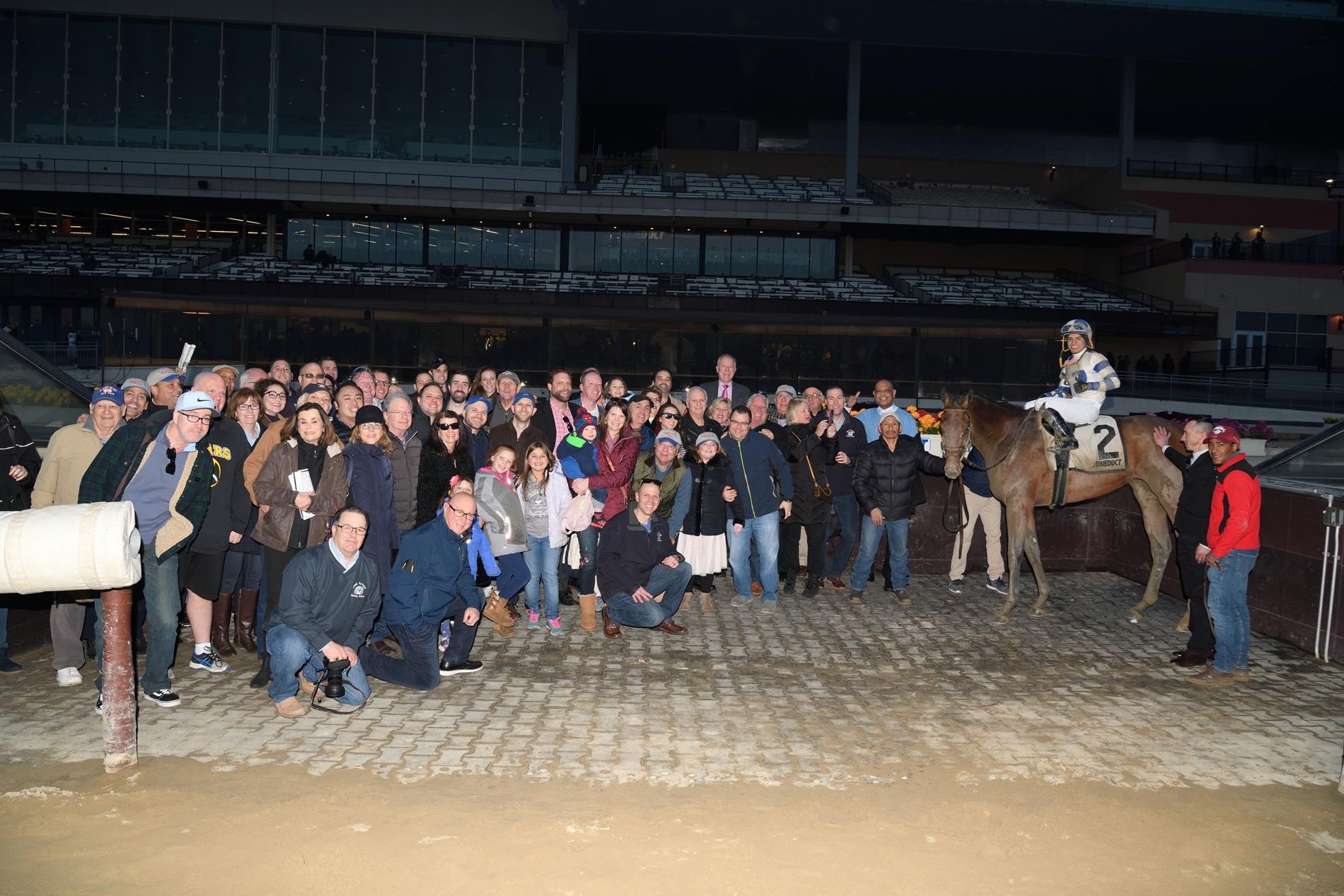
“There was always a gentleman by the paddock,” Roth recalled. “When Espresso Shot was running in the Busher, he said, ‘I’m rooting for you guys.’ I gave him a hat, and he was there for our next 10 races. I don’t even know his name, but when I think of Aqueduct, I think of him.”
For owners and horsemen, that connection carried a different meaning. A meaning tied to competition, to tradition, to the simple act of winning races in New York.
“Outside of the Belmont and Travers Stakes, many of New York’s most prestigious races are run at Aqueduct,” Roth said.
The Wood Memorial and The Big A connect generations of horseplayers and horsemen, even if the spotlight has shifted elsewhere.
Aqueduct never needed the biggest crowd to feel important. It just needed its people.
And when the gates open for the final Wood Memorial at the Big A, those people will still be scattered across the grandstand, along the apron, and gathered around televisions watching and remembering.
There will be no overwhelming roar. No grand crescendo.
Just the familiar sounds of a horse race being run.
And when it’s over, Aqueduct will slip quietly into history not as the flashiest venue, or the most celebrated, but as a place that reflected New York City in all its complexity.
A place where, for decades, the sport simply lived.