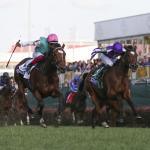


Ghostzapper: The Horse That Blazed a Brilliant Path in a Brief, But Potent Racing Career
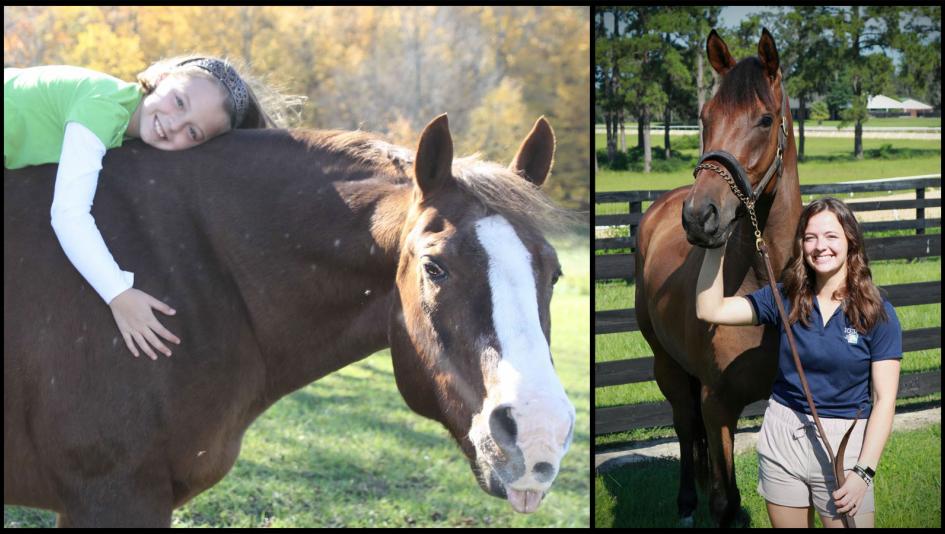
Most kids eventually grow out of their “horse phase.” I am in the process of turning mine into a career.
Fortunately, my mom’s horse phase never really ended either. When I was 8, she and my dad helped acquire my new best friend, a Quarter Horse in his late 20s. Nickers was an easy-going chestnut gelding with Birdcatcher Spots who needed a loving home to live out his years of retirement. He had a great all-around show career and was a stellar gaming horse. He lived to be 33 on my grandparents’ beautiful farm in southwest Michigan. Eight years of loving him solidified that horses would always be an important anchor in my life.
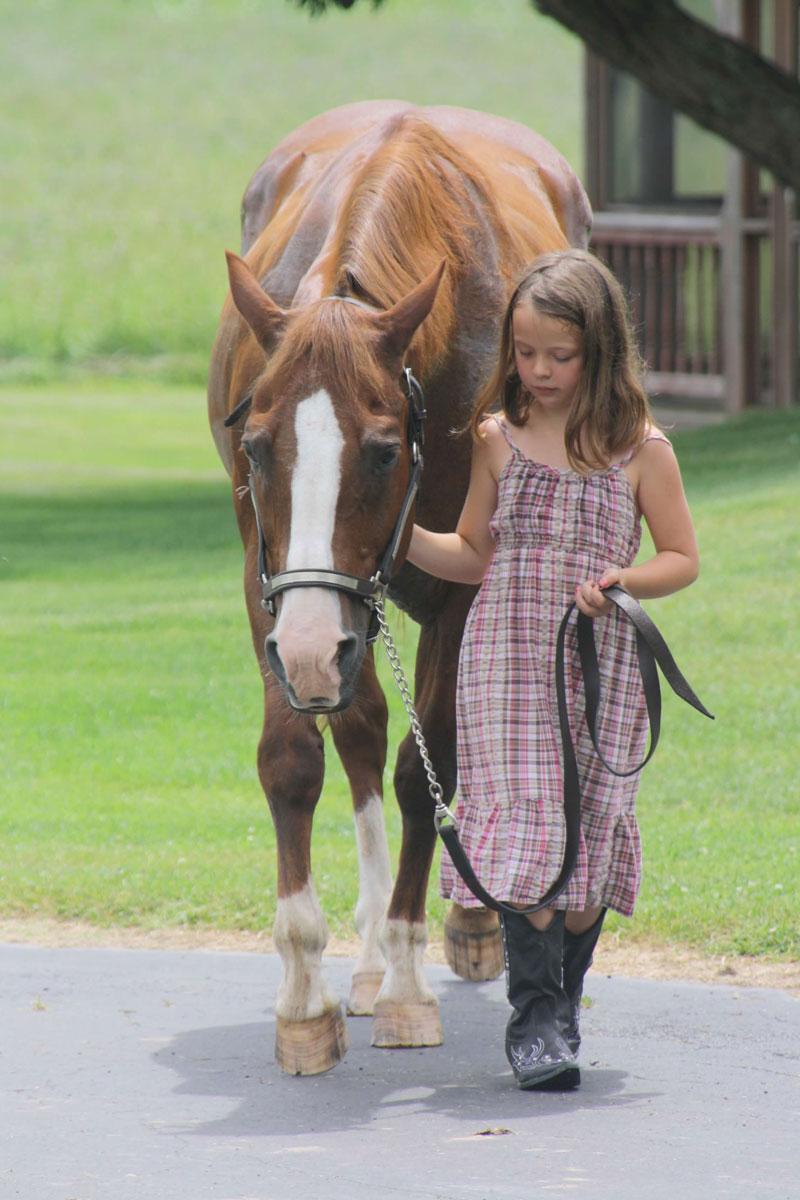
Years down the road, I made a defining decision to study at Midway University in central Kentucky. People kept telling me that there was no point in going to school for equine studies. “You won’t make any money.” “The industry is too small.” I had heard it all by the time I packed my bags for Kentucky.
After years of showing horses belonging to friends in my community, I did my own research and concluded that if I worked hard and refused to give up, this could certainly be a viable path. Thankfully, I didn’t listen to the doubters.
One day at college, in one of my equine classes, a professor mentioned Keeneland. I nodded along and took notes as usual. After class, I Googled that word to find out what “Keeneland” was. I decided to go check it out because I had never stepped foot on a racetrack before. I had maybe seen a Kentucky Derby or two over the years on TV, but that was about it.
After a little more Googling, I understood how to place a “win” bet, so I made one at the track. Breaking the bank on a $2 win ticket, I watched the favorite, Beer Run, finish the race behind a horse that went off at odds over 16-1.
“This is stupid,” I thought as I threw away my ticket and headed for the exit. A horse named Monsieur Candy upset the field and earned his first win that day (or “broke his maiden,” as horse racing folks would say). If my ticket on Beer Run yielded returns that fateful Friday afternoon, I’m not sure I would be writing this essay now.
Still a bit salty days later, my curiosity and competitive nature brought me back to Google. This time, I investigated how parimutuel odds worked for horse racing. Feeling overwhelmed with the information in front of me, I realized how little I knew about the sport. I didn’t understand most of the words I was ingesting; so I tabled this whole racing thing once again.
Despite my betting woes, I could tell that Keeneland was a special place, so I threw my hat in the ring to work as a collegiate ambassador there. The hiring committee took a chance on me, and I never looked back.
I still see myself as a rookie in the horse racing industry, but internships with the Keeneland Library, Kentucky Equine Research, foal watch at Endeavor Farms, working as a mutuel clerk on Kentucky Derby Day at Churchill Downs and more experiences have pushed me to grow and learn more than I could have ever imagined about the sport.
In fact, if it weren’t for these experiences and for the opportunity to write this article, I never would have researched the horse that ruined my $2 bet a few years back. It turns out Monsieur Candy is a chestnut gelding – and he has Birdcatcher Spots! I don’t think the odds of that are 16-to-1.

Silver Charm: As Tenacious as They Come