


Cubs Fly the 'W' at Churchill Downs With Act of Parliament Victory
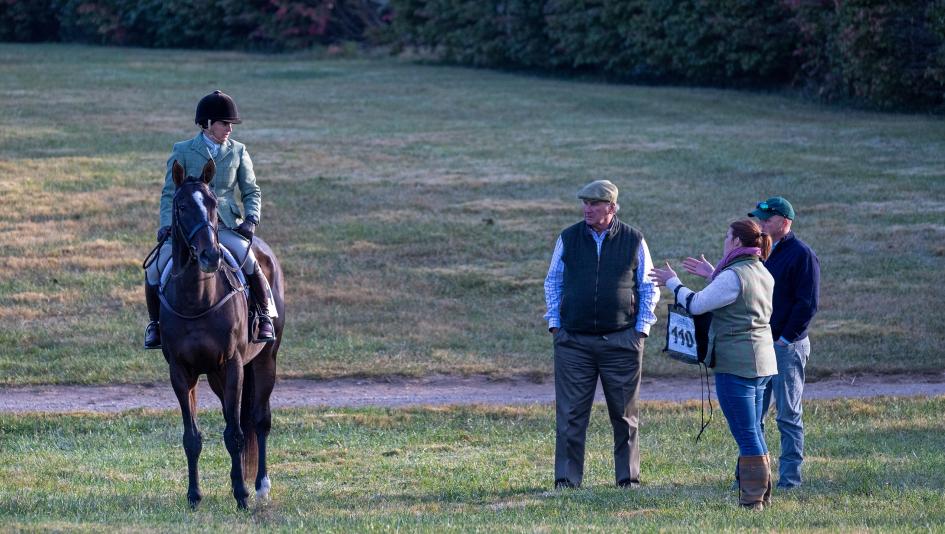
Bringing home an off-track Thoroughbred (OTTB) is exciting, rewarding, and a little overwhelming at times.
Thoroughbreds leave the racetrack as highly conditioned athletes, but stepping into a new career means adapting to an entirely different lifestyle. It’s more than just a change in discipline — it’s a full reset in management, barn life, and expectations.
If you’re considering adopting an OTTB — or have recently brought one home — here are five things many new owners wish they knew that can make all the difference as you begin your retraining journey together.
You bring your new OTTB home and it doesn’t take long to realize that feeding them isn’t nearly as straightforward as you expected. It takes a different approach than many new OTTB owners anticipate, especially in those first few weeks and months off the track.
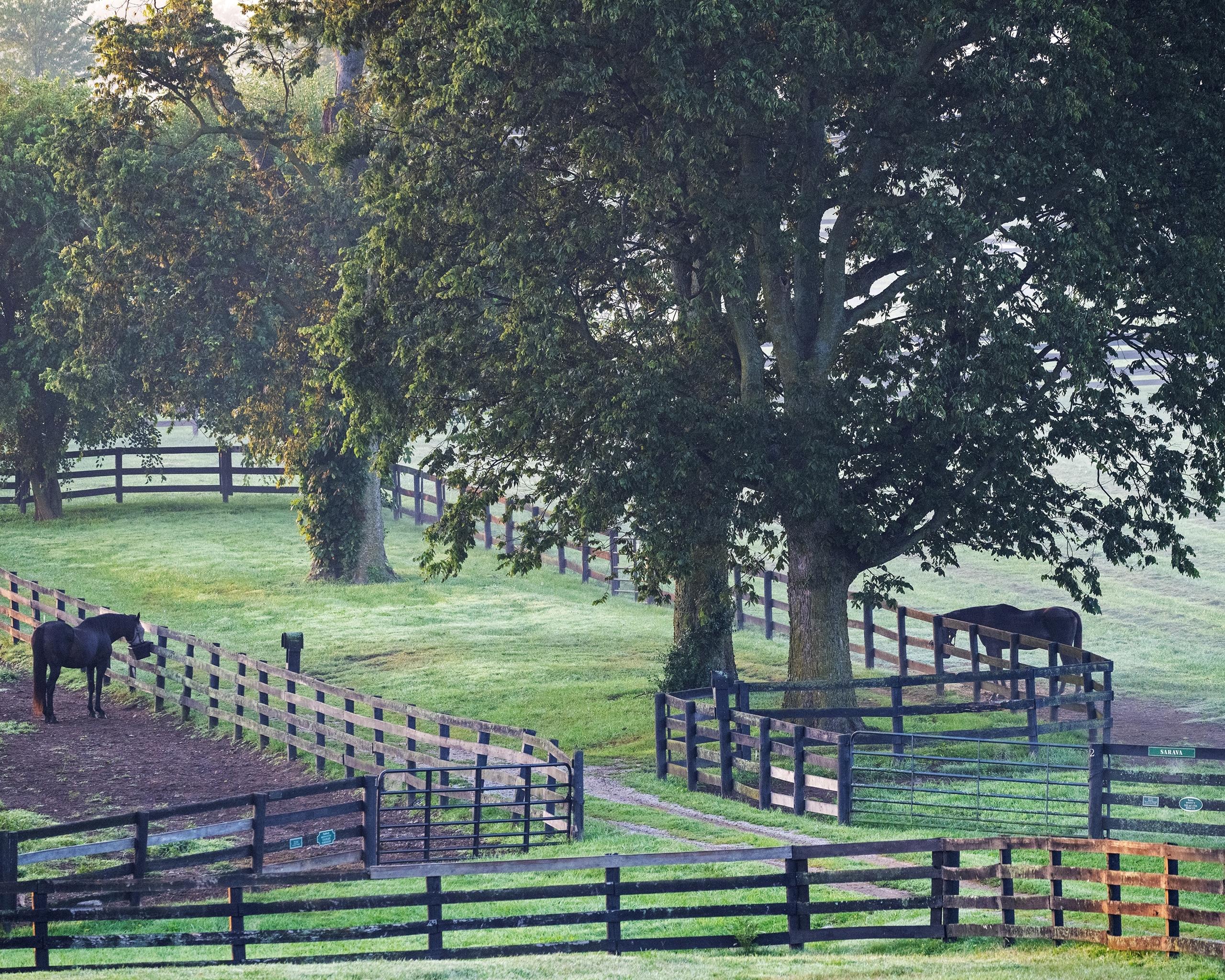
Racehorses are typically kept fairly lean for performance, and many Thoroughbreds have naturally higher metabolisms than other breeds. On the track, they’re often fed high-calorie, high-starch, nutrient-dense diets — sometimes 10 to 15 pounds of grain per day, divided into several small meals — to meet the demands of intense training and racing.
When you bring an OTTB home, they’re adjusting to multiple changes at once, which can lead to additional weight loss or digestive issues if you’re not careful. Many people assume you can add more grain to fix weight loss or a “racing lean” body condition.
However, once off the track, many OTTBs tend to do better on diets lower in starch and sugar — also known as non-structural carbohydrates (NSCs) — with a forage-first approach built around quality hay or pasture grass.
This type of diet can better support their new energy demands, promote digestive health, and help reduce the risk of issues like ulcers or colic.
The diet, including what and how much grain to feed, should be customized to the individual horse. This can start with an evaluation of their body condition and current nutritional needs. Any feed changes should also be made gradually to support gut health when bringing home a new OTTB.
When extra calories are needed, it’s usually more effective to add more low-NSC, highly digestible ingredients, such as fat, rather than simply increasing grain intake. This can be achieved by choosing a feed higher in fat and fiber and lower in NSCs, or by adding a high-fat supplement fortified with vitamins and minerals to horses that need additional calories and nutrients.
Working with an equine nutritionist can help simplify this process, especially as a horse’s body continues to change the longer they are off the track, and it’s something many new OTTB owners wish they had done right away. Many feed companies even offer free feeding plans with an equine nutritionist.
One of the most important things people wish they knew before bringing an OTTB home is just how common gastric ulcers are in racehorses. Studies suggest a large majority of OTTBs experienced ulcers at some point during their racing careers.
Ulcers are sores that develop in areas such as the stomach lining and the hindgut, and one of the biggest challenges is that symptoms aren’t always obvious. Some horses show clear signs like weight loss, poor appetite, or sensitivity around the girth, while others only display subtle changes in behavior or performance.
High-starch grain diets, stall confinement, and the demands of training and racing all increase the risk of ulcers. As a result, many OTTBs arrive in their new homes already dealing with some level of gastric discomfort. In some cases, the stress of transitioning from the racetrack to a new environment can increase that risk even further.
The discomfort they feel from ulcers can lead to reduced stamina, reluctance to work, irritability, and difficulty maintaining weight, making the process of retraining an OTTB for a new career even more challenging.
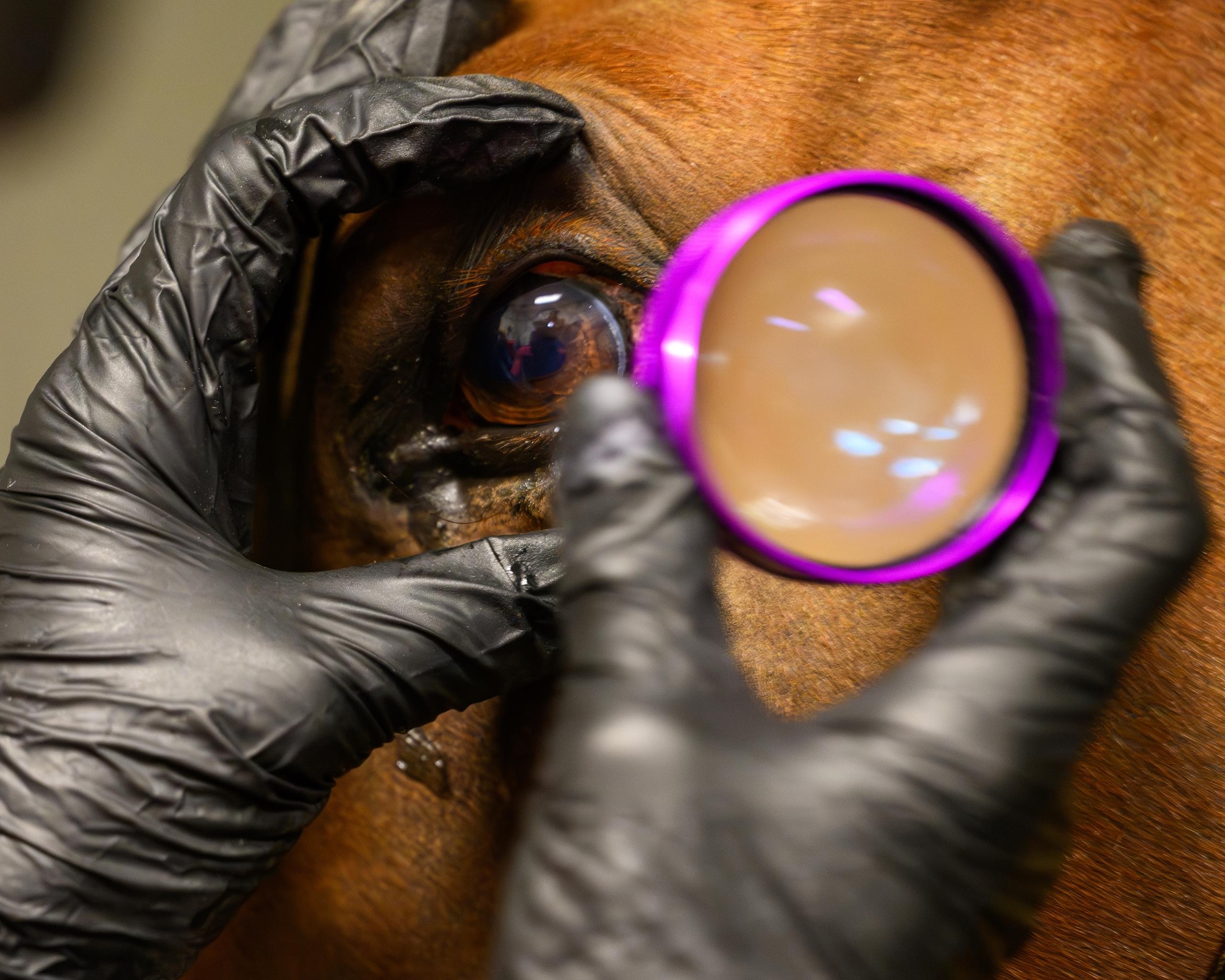
One thing many new OTTB owners wish they had done is involve their veterinarian soon after bringing a horse home. This can make a big difference by identifying any underlying health concerns, such as ulcers, that should be addressed before retraining begins.
One of the biggest surprises with OTTBs is that while they already have significant training under saddle, the cues they’ve learned on the track can be very different from what most riders expect in a sport horse. OTTBs often do not ignore your aids, they’re responding exactly as they were taught.
For example, standing and mounting from a block can be unfamiliar, since many racehorse riders are legged up while already in motion rather than standing quietly.
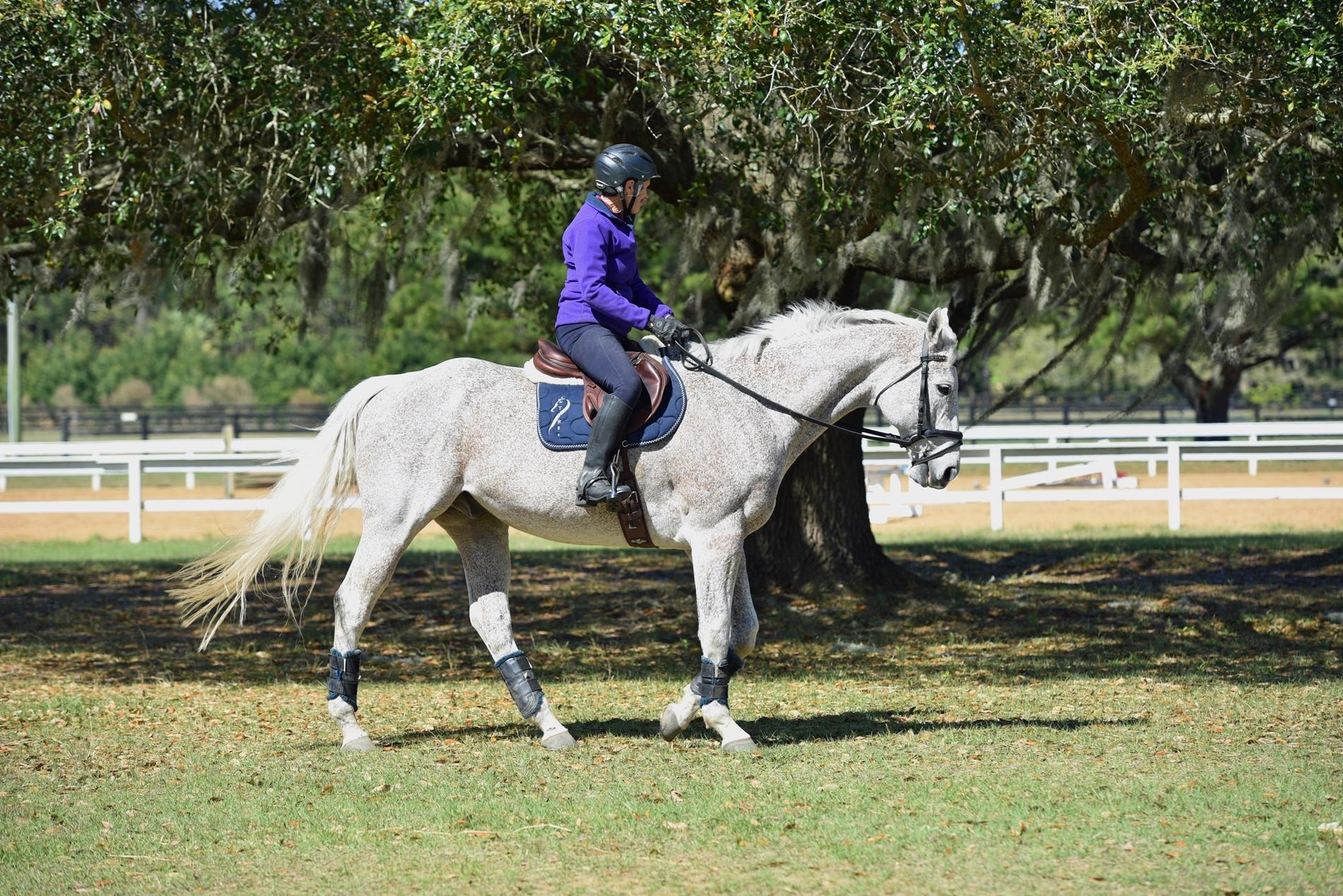
They may also interpret leg pressure as a cue to go faster, rather than to step under, balance, or move away from the leg. That forward “go” response is exactly what makes them successful on the track, but it can feel confusing when you first start riding them in a ring.
On the racetrack, taking a firm hold of the bit often signals the horse to accelerate, not to slow down or collect as you’d expect. Racehorses are trained to move forward with speed and efficiency, often leaning into the bit and carrying more weight on their forehand.
Lead changes can be another adjustment. Racehorses are trained to switch leads automatically or in response to subtle cues, typically taking the left lead on turns and the right lead on straightaways for balance. While they’re used to making lead changes at speed, retraining them for lead changes in sport horse disciplines may take time, as it involves teaching them how and when to lead change at a slower pace.
One thing many new OTTB owners later realize is that the main goal is re-educating the horse on what the rider’s aids mean. Taking things slowly, building balance, and helping the horse develop rhythm and self-carriage are key early steps in training. Once they begin to understand these new cues, their natural athleticism and work ethic really start to shine.
One of the more unexpected things about OTTBs is that, despite being highly trained athletes who are well-traveled and exposed to many environments through racing, they can still have gaps in basic horse skills.
Because they’re raised and trained in a highly structured racing environment from a young age, their experiences are often very different from those of a non-racehorse.
Many racehorses have limited turnout and may not have spent much time learning how to interact in a herd setting. As a result, some OTTBs need time to learn to safely develop social skills with other horses. The same goes for everyday handling. Simple things — like cross-tying or even understanding what treats are — may be completely new to them.
They can also be more sensitive to certain environments. For example, loudspeakers or busy horse-show atmospheres can trigger a heightened response because they mimic the racetrack's energy.
What new OTTB owners often wish they understood better when beginning the retraining process is that these often aren’t behavioral problems, they’re simply gaps in experience. With consistency and patience, most OTTBs learn these skills quickly and become incredibly adaptable riding/competing partners.
Despite some of the challenges of retraining an OTTB, one of the most rewarding aspects is their mindset. Thoroughbreds are known for their work ethic. Once they understand what you’re asking, they genuinely want to get it right and you start to realize just how hard these horses try.
Many OTTBs aren’t being difficult when they make mistakes, they’re often simply confused. When given clear, consistent cues and an understanding of what their new job is, they tend to respond with a willingness to learn that can be hard to match in other breeds.
This mindset also is part of what makes them so versatile. With time and proper training, OTTBs go on to succeed in a wide range of disciplines. They commonly excel in eventing, dressage, and hunter/jumper, but you’ll also find them thriving in disciplines like western performance and trail riding.
Many new OTTB owners wish they had known from the start that once the partnership is built, their athleticism — and their heart — are what make OTTBs so special.