


Breeders’ Cup Fantastic Finishes: A Nail-Biter of a Coronation
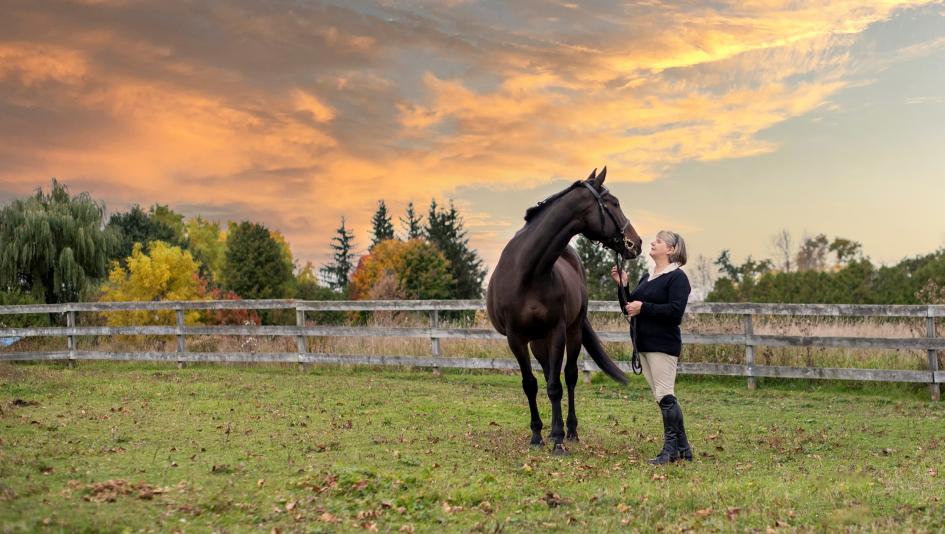
The roar of the crowd fades, and the hooves that moments ago thundered down the stretch settle into a steady rhythm on the walk back to the barn. But for a racehorse, crossing the finish line for the last time isn’t the end of their story — it can mark the beginning of something entirely new.
After a Thoroughbred’s racing career ends, a new chapter begins to unfold. Through carefully managed transitions off the track and into new careers as sport or pleasure horses, these athletes continue to evolve long after their final start. Their journey doesn’t stop at retirement, it simply changes direction.
What happens after the finish line is just as important as everything that comes before it. Horses move from the structure of the racetrack into a new phase of life in a second career that can span many years and allow them to thrive in entirely new roles.
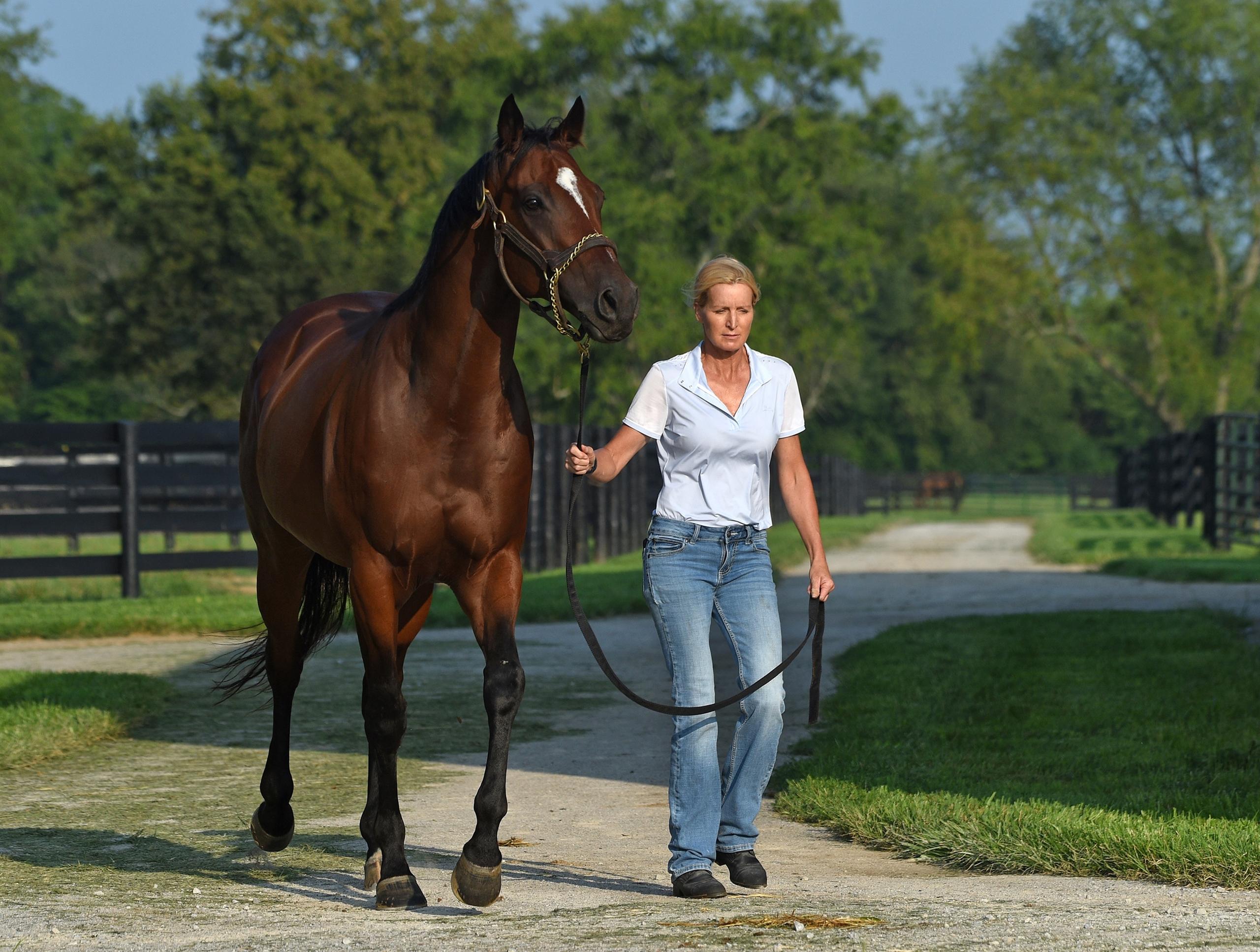
Racehorses retire for a variety of reasons, and many of them do not involve injury.
Some horses retire from racing due to age or declining performance, while others leave the track because of minor soundness concerns. In these cases, connections step in early to prevent issues from progressing and to protect the horse’s future second career. For a select few, strong pedigrees and/or successful race records lead directly to breeding careers.
However, many Thoroughbreds retire sound, healthy, young, and fully capable of transitioning to second careers beyond breeding. Retirement from the racetrack is often a proactive decision — one made by the horses’ owners and trainers with the horse’s long-term well-being in mind, setting these horses up for success beyond the racetrack.
After a racehorse leaves the racetrack, the next step often involves a “letting down” period — a phase designed to help the horse physically and mentally adjust to life beyond racing.
This can include the need to decompress from the track’s highly structured routine, which they are used to. Mentally, it allows the horse to reset and adapt to the quieter, less-demanding environment of their new life. This period can also allow horses to recover from injuries or address underlying soundness issues before beginning training in new careers.
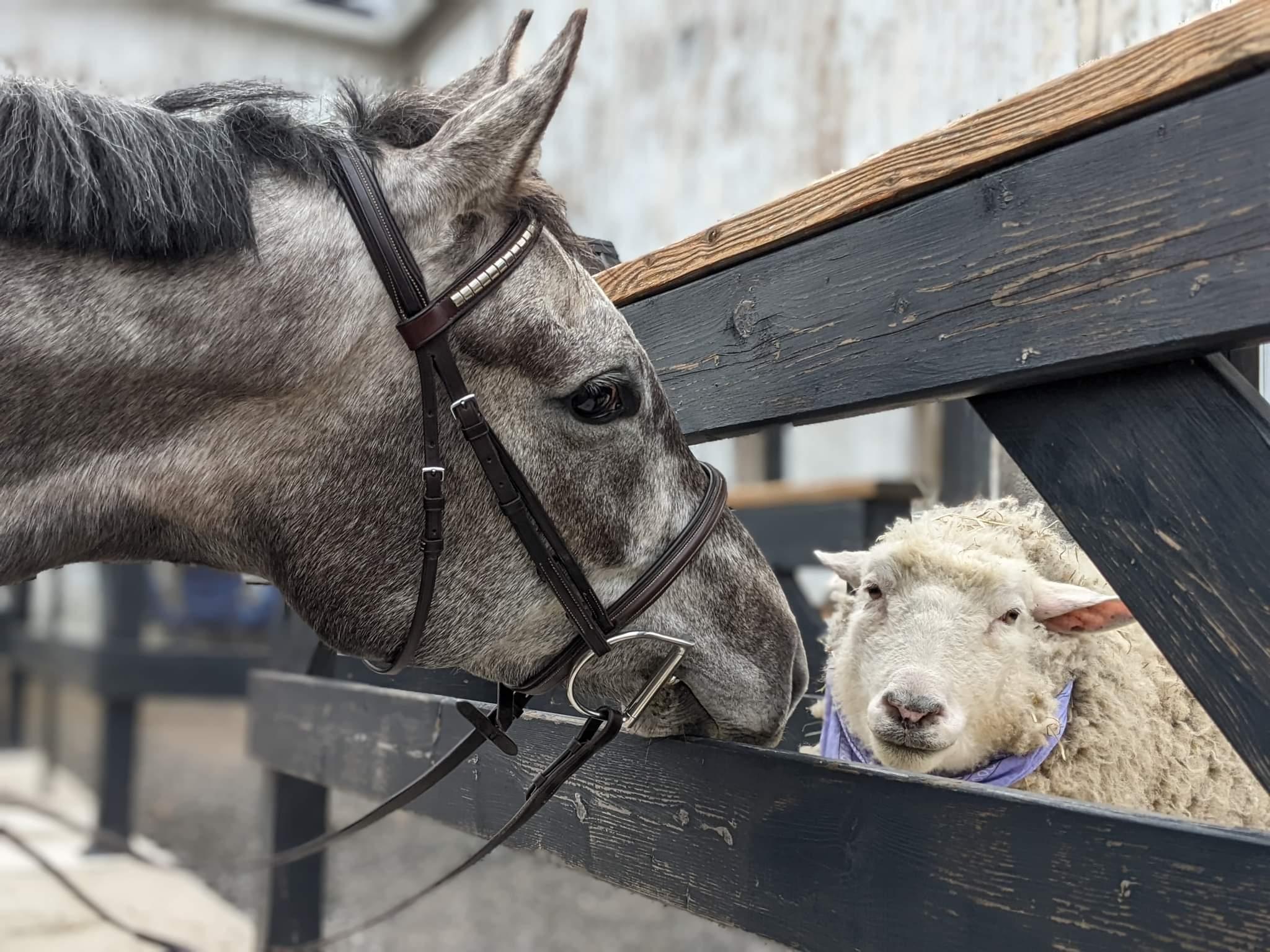
Not every horse requires an extended letdown, however. Some Thoroughbreds benefit from a lighter transition and move more smoothly into retraining for a new job with a consistent, low-pressure workload rather than significant downtime. The approach depends on the individual horse — temperament, soundness, and previous experience.
Horses thrive on consistent routines and feeding programs. During this transitional period, both routines and diet gradually shift to support the horse’s adjustment. These changes occur over time to help the horse safely adapt to new management practices and nutritional programs.
Diets typically shift away from the high-energy feed required for racing, with concentrate rations adjusted to align with the horse’s reduced energy demands and changing nutritional needs. At the same time, daily routines transition from primarily stall time with structured training or racing to increased turnout and lighter riding.
Patience is key. Allowing the horse time to adapt lays the foundation for long-term success in a second career.
Finding the right home is a critical step in a racehorse’s transition to a second career. Reputable aftercare programs carefully vet potential adopters, evaluating their experience, facilities, and long-term plans for the horse. Sometimes, a racehorse’s connections directly look for a new home for the horse. The goal is to create a thoughtful match between horse and rider.
This process takes into account the adopter’s skill level, riding goals, and intended discipline, helping to ensure the horse is placed in an environment where it can succeed based on its soundness, conformation, and temperament.
Off-track Thoroughbreds (OTTBs) require time, retraining, and consistency after being adopted or purchased. With the right match and a patient approach, they often become reliable, versatile riding partners across a wide range of careers.
Thoroughbreds transition into a wide range of second careers, thanks to their athleticism, intelligence, and versatility. Despite the stereotype of all Thoroughbreds being high-energy, Thoroughbreds come in a wide range of temperaments, which can help naturally suit them for a certain career.
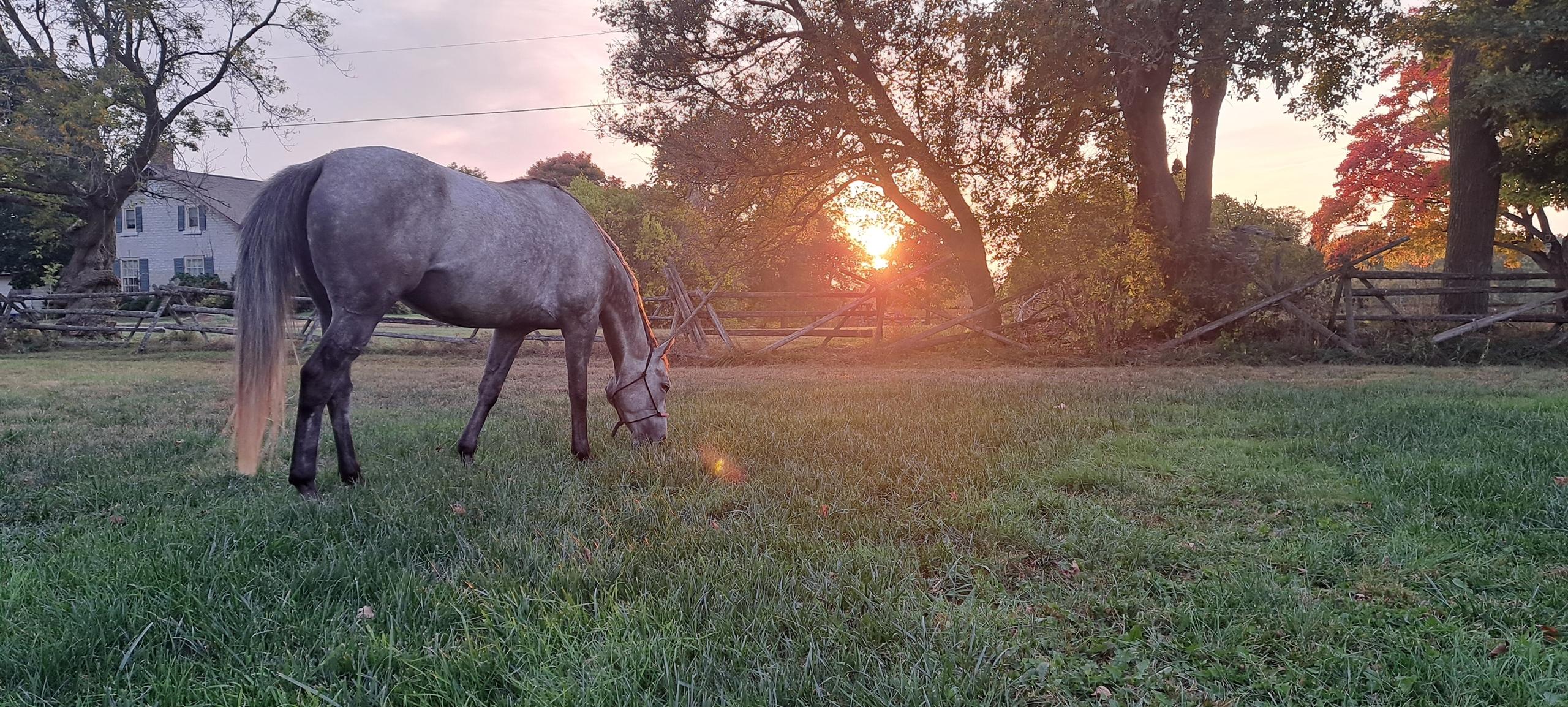
OTTBs often excel in sport-horse disciplines such as eventing, show jumping, and dressage. Their natural endurance, athletic ability, and willingness to work make them well-suited to a range of disciplines, including eventing, show jumping, hunters, fox hunting, and dressage.
Thoroughbreds also find success in western disciplines, including western dressage, ranch work, and barrel racing. Many Thoroughbreds also transition to pleasure and trail-riding homes. With proper retraining, they develop into reliable mounts suitable for amateurs, offering a unique combination of sensitivity and versatility.
Some Thoroughbreds even move into equine-assisted therapy and other service roles, where their people-oriented nature can shine. With the right temperament and training, these horses can thrive in numerous environments and riding disciplines.
Retraining an OTTB involves reshaping both their physical development and learned behaviors from the track.
The process begins with teaching new cues both on the ground and under saddle. This can include learning to cross-tie; a rider using a mounting block; encouraging slower, more balanced gaits; and accepting bit contact differently.
OTTBs also need time to rebuild topline and overall muscle in ways that differ from racing fitness. Mentally, they must learn to slow down, relax, and process new environments and routines. Consistency and clear communication play a key role in helping them succeed.
Despite these challenges, Thoroughbreds bring significant strengths to retraining. Their athleticism allows them to adapt quickly, and their work ethic and intelligence make them highly trainable.
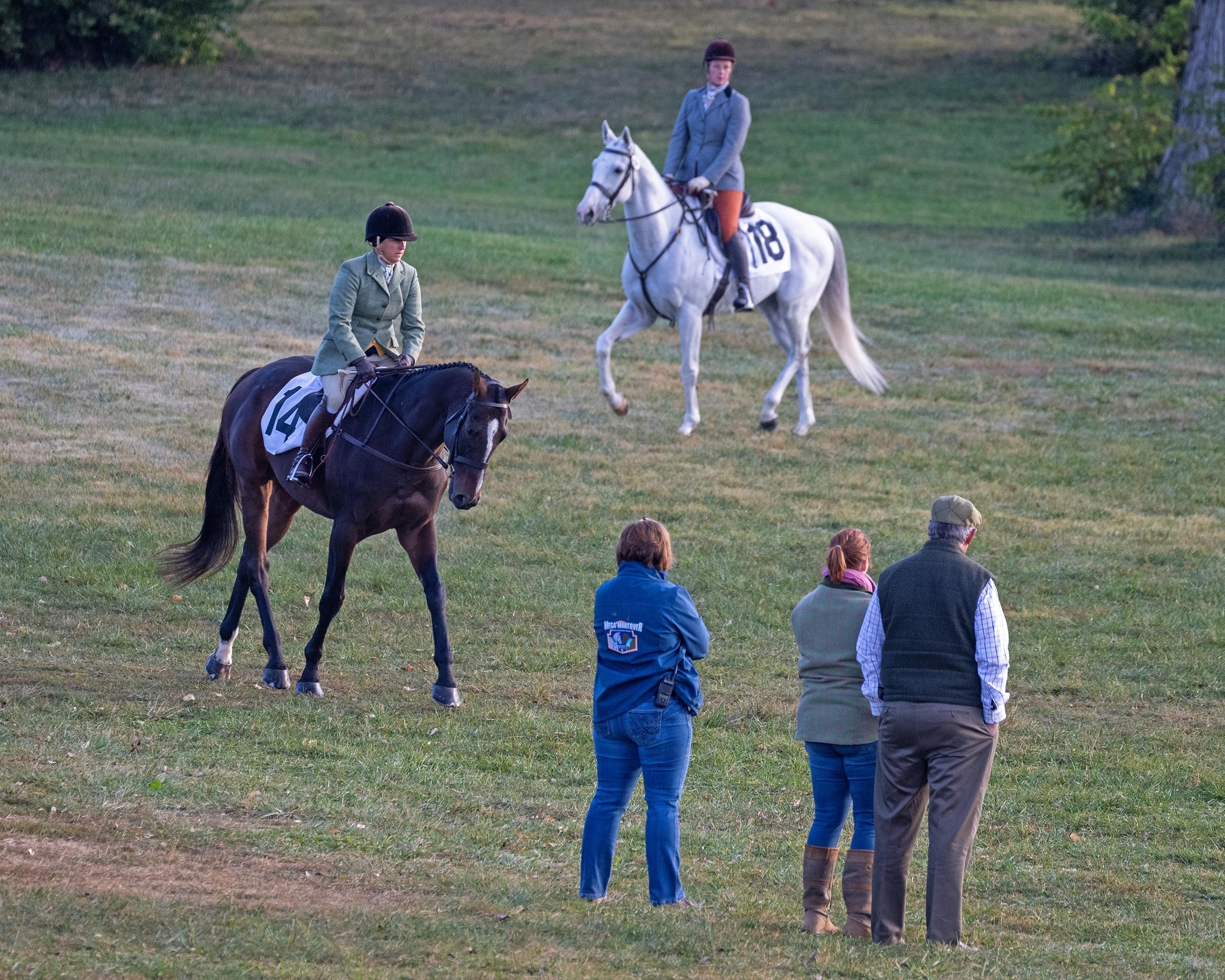
With thoughtful retraining, many off-track Thoroughbreds go on to become highly competitive athletes in their new careers. Thoroughbreds often stand out for their heart and work ethic, both at home and in the show ring. Some even go on to compete at the highest levels of equestrian sports, while others become excellent competition mounts in lower levels.
Opportunities specifically designed for Thoroughbreds continue to grow along with incentives for retraining OTTBs. Programs like the Retired Racehorse Project’s Thoroughbred Makeover (RRP) as well as incentives through the Thoroughbred Incentive Program (TIP) reward riders for competing OTTBs across disciplines. Thoroughbred-only classes and shows further highlight the many opportunities for Thoroughbreds to thrive in new, competitive careers after the track.
These opportunities not only showcase the breed’s adaptability but also reinforce a powerful message — life after racing can be just as competitive, fulfilling, and impactful.