


Breeders’ Cup Fantastic Finishes: A Nail-Biter of a Coronation
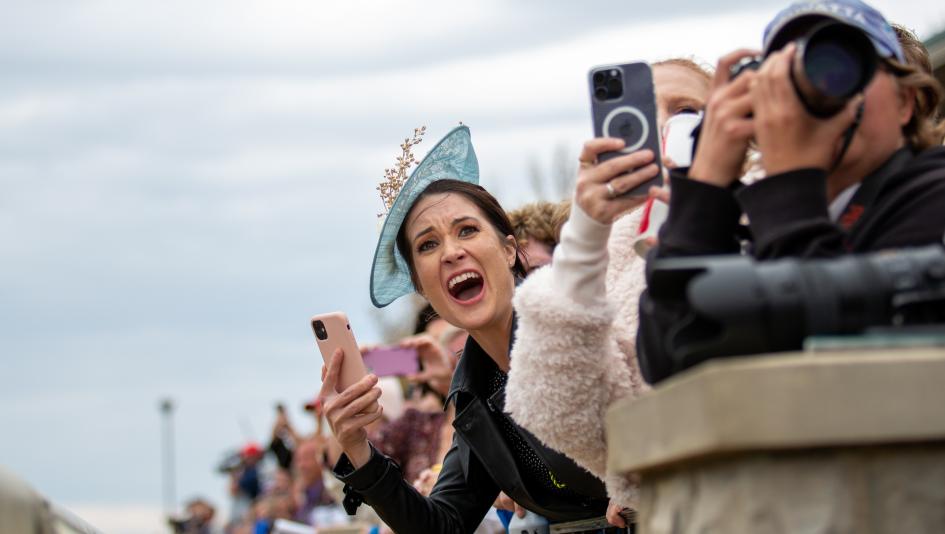
Every spring, sports fans and much of the general public know the Kentucky Derby is coming up on the first Saturday in May at Churchill Downs. In addition to the 120,000-plus attending the Derby in person, folks across the country throw Derby parties, put money in their betting accounts, learn about the horses, and tune in to the national TV broadcast to watch “the most exciting two minutes in sports.”
 Visit ABR's Breeders’ Cup page
As popular as the Kentucky Derby is, though, it’s not the championship event in Thoroughbred racing. That is the Breeders’ Cup.
Every fall, 14 championship races are held at the Breeders’ Cup over two racedays worth upwards of $34 million in prize money, culminating in the richest race in North America, the $7 million Breeders’ Cup Classic. Winners of Breeders’ Cup races more often than not are voted as champions of their respective divisions at the end of the season. This year, the 43rd annual Breeders’ Cup will be held Oct. 30-31 at Keeneland Race Course in Lexington, Ky., about 70 miles east of the Derby’s home, Churchill Downs.
“Breeders’ Cup” might not ring a bell to most people with a casual interest in horse racing, certainly compared with “Kentucky Derby.” But for those who find their interest in the sport piqued each spring by the Derby and its hoopla, watching and betting on the Breeders’ Cup races can turn that curiosity into passion.
Here’s why you should watch the Breeders’ Cup – and place a couple of bets, too.
The Best of the Best
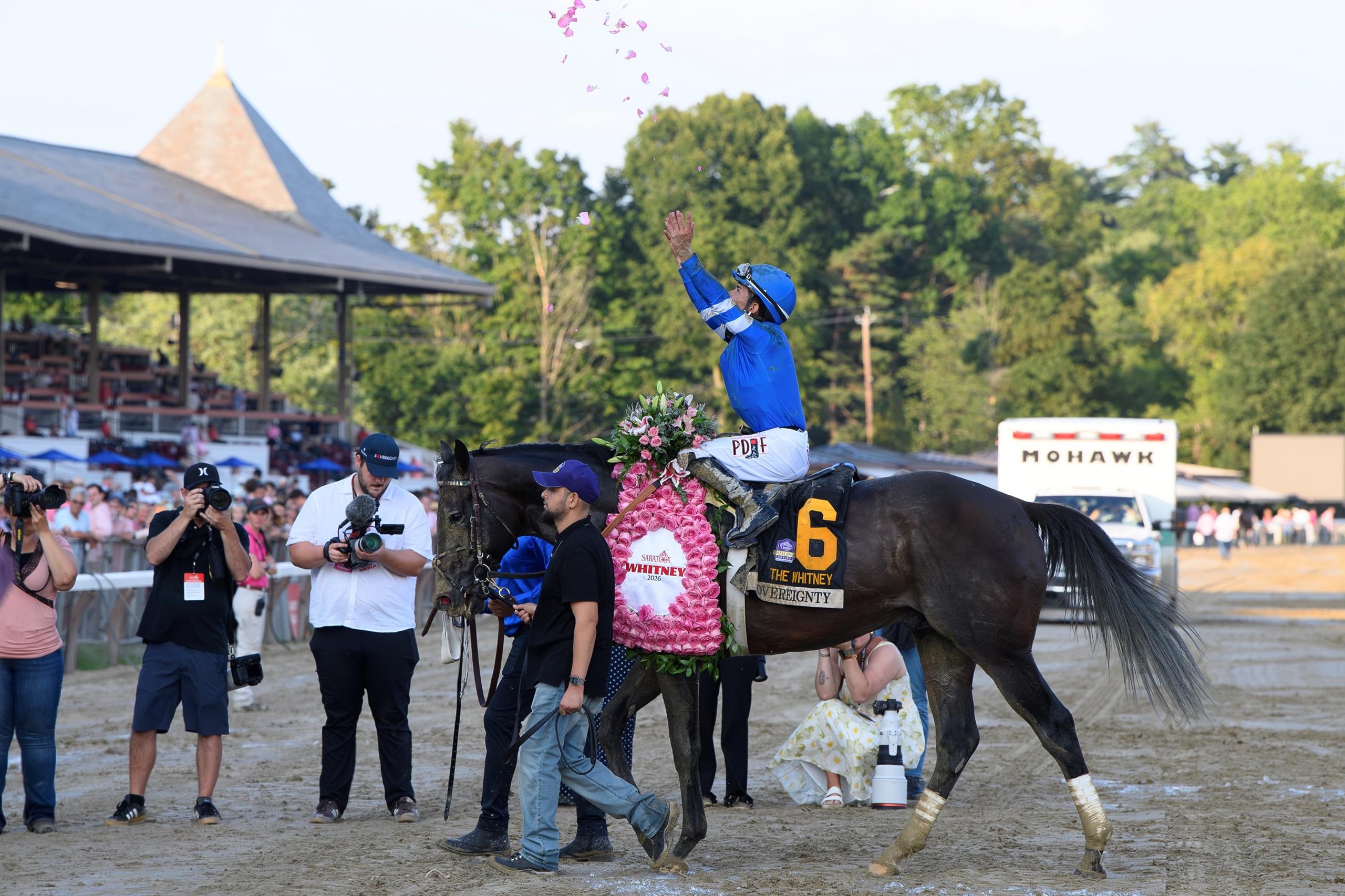
Many of the horses running in the Kentucky Derby are on the upswing by the time the race occurs in May, and just rounding into their top level of performance. Derby horses are full of potential, but once the race is over, many of them will become anonymous again, aside from the winner, of course.
On the other hand, horses that run on the second day of the Breeders’ Cup (nine championship races on Saturday) are established stars within their divisions. These are athletes at the peak of their abilities – the Shohei Otanis, LeBron Jameses, and Josh Allens of their sport. The Saturday Breeders’ Cup fields often include some of the 3-year-olds that burst upon the scene back at the Derby (or Kentucky Oaks for fillies) plus a lot of older horses that have found success all around the world.
The prospective field for this year’s Breeders’ Cup Classic, for example, currently includes reigning Horse of the Year Sovereignty, 2026 Kentucky Derby winner Golden Tempo, and Japan-based international superstar Forever Young, the all-time richest horse with over $32 million in earnings!
Previewing Next Year’s Standouts
If the Saturday Breeders’ Cup races are full of all-stars, then the event’s “Future Stars Friday” appropriately concentrates on talent in its first flowering. All five races are restricted to 2-year-olds and feature horses competing at the highest level during their first season on the track (or turf course).
Future Stars Friday offers fans a chance to see precocious racehorses still learning the game take the next step in their development. Many of them will be worth following over the winter months as they grow physically and gain even more experience before the big 3-year-old races — topped by the Kentucky Derby, of course — begin.
Incredible Betting
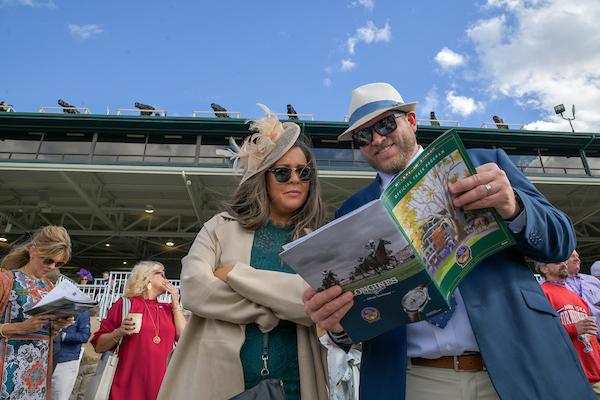
At its core, Thoroughbred racing is supported by folks that gamble on race outcomes, and there are no two bigger days for horseplayers than the Breeders’ Cup, especially Saturday’s card highlighted by nine championship races.
In most races – even the Kentucky Derby that can hold up to 20 horses – there are a few entrants that are outclassed and have a very small chance of winning. But in the Breeders’ Cup, even the longshots are accomplished. Quite a few of the Breeders’ Cup starters made their reservations by winning races in the event’s Challenge Series, which is scheduled during the lead-in months and consists of prestigious stakes races. This makes for highly competitive races, where horses that have racked up hundreds of thousands (and often over a million) in earnings and have won stakes races go off at high odds.
The lowest average payout for any Breeders’ Cup race is $11.86 (the Juvenile Turf Sprint), which equates to just under 5-1 odds, while the highest is 23.07-1 (about 10.5-1 odds) for the Breeders’ Cup Mile on turf. During a fall season dominated by college and pro football, there is no better chance to “bet a little, win a lot” than on horse racing at the Breeders’ Cup.
Great Backstories
The Breeders’ Cup gets almost as much television coverage as the Kentucky Derby and its follow-up Triple Crown races, the Preakness Stakes and the Belmont Stakes. But what’s better is that since there are far more horses competing in the championship races at the two-day event, the potential for uncovering compelling stories is much greater.
Find the right narrative at the Breeders’ Cup, and a casual racing fan can become hooked on the sport for life. The rise of current superstar Forever Young is the current example: he was bred in Japan and totally mysterious to American fans up until he nearly won the Kentucky Derby two years ago. Since then, Forever Young has captivated an ever-growing international fan base, win or lose, along with his engaging trainer Yoshito Yahagi. Will he write another best-selling chapter in the Breeders’ Cup?
And then there’s Cody’s Wish. The two-time Breeders’ Cup winner was named as a foal after Cody Dorman, a young man from Kentucky with a rare genetic illness, and from 2021 to 2023 their bond made national headlines and reached the general public as Cody’s Wish won race after race and shone at the World Championships. A racehorse can take humans to emotional heights they otherwise could not reach, and those journeys happen often at the Breeders’ Cup.
Bonus Explainer: Why is it called Breeders’ Cup?
The answer is quite simple: this event was created by leading Thoroughbred breeders along with track officials back in the early 1980s with the goal of promoting the importance of the breeding industry to the overall sport, and as a way to help advertise their stallions.
The Breeders’ Cup has done just that through 40-plus years. Winners of Breeders’ Cup races are advertised prominently in promotional materials for stallions, both in the U.S. and abroad. Currently, two sires are tied the most Breeders’ Cup winners in the event’s history with nine: England-based Dubawi and Into Mischief, a seven-time leading North American stallion standing in Kentucky.

Silver Charm: As Tenacious as They Come