


Breeders’ Cup Fantastic Finishes: A Distaff Duel for the Ages
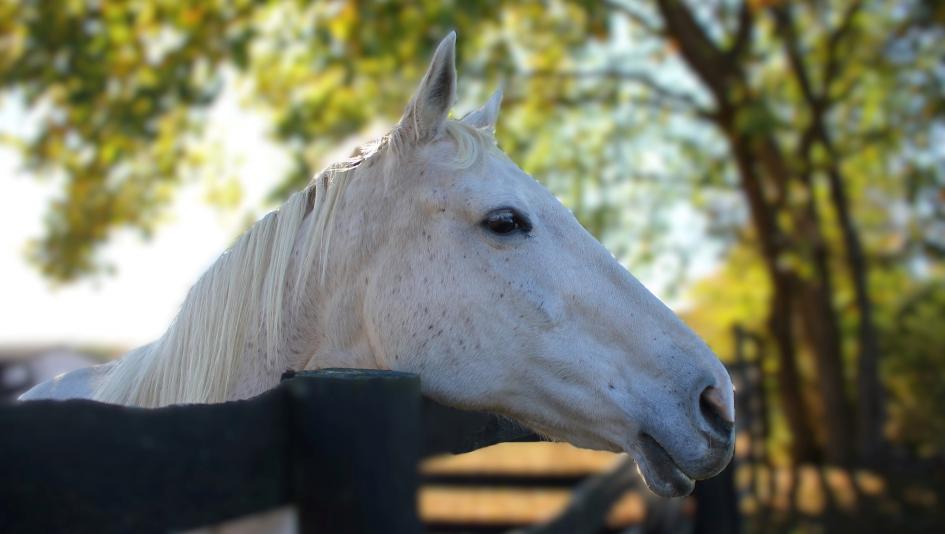
Bringing home an off-track Thoroughbred (OTTB) is exciting, but the first 90 days require patience, consistency, and a clean-slate approach as the horse adjusts to life after racing.
With the right approach, this transition period can lay the foundation for a successful second career.
In this article, we’ll cover what to expect when bringing your OTTB home and how to navigate those first few weeks and months.
Bringing an off-track Thoroughbred home requires preparation, patience, and a safe setup. When a retired racehorse first steps off the trailer, the priority is to help him settle into his new surroundings with as little stress as possible.
Prepare the Space First
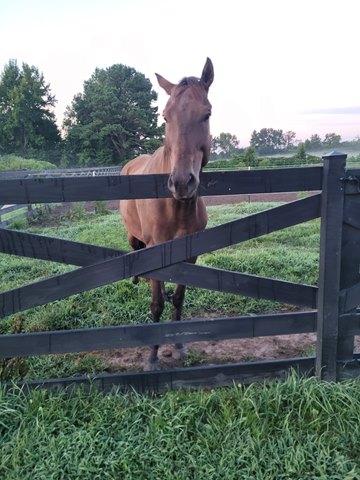
Before the horse arrives, have a clean stall and safe turnout area ready. Deep bedding can help encourage rest and provide a cushion if the horse paces or stall-walks during the first few days as they adjust.
Turnout fencing should be sturdy, visible, and free of sharp edges or loose wire. Many OTTBs are not used to thin, wire fencing, so board, vinyl, or secure mesh fencing is often a safer choice.
A Relaxed Arrival
When the horse arrives, they may do best settling into a quiet stall with fresh water and free-choice hay, especially if they arrive later in the day or at night. Keeping the barn calm and limiting extra activity, barking dogs, loud machinery, or too many visitors — if at all possible — can help minimize stress as they adjust.
Especially after a long haul, owners should watch for signs of dehydration, significant stress, reduced appetite, abnormal manure, or digestive upset. Any concerns should be discussed with a veterinarian.
Introducing Turnout Safely
If the horse arrives earlier in the day, some people prefer to turn the horse out shortly after arrival in a small, secure paddock. Others may prefer to let them settle in a stall first and introduce turnout the next day. Either approach can work, depending upon the horse.
The paddock should have fresh water, hay or pasture grass, secure fencing, and enough space for the horse to move, stretch, roll, or buck. At the same time, it should be small enough that they can still be easily caught and monitored.
Having a calm horse turned out nearby can help the new OTTB feel less isolated without the added risk of immediate herd turnout.
Observation and Biosecurity
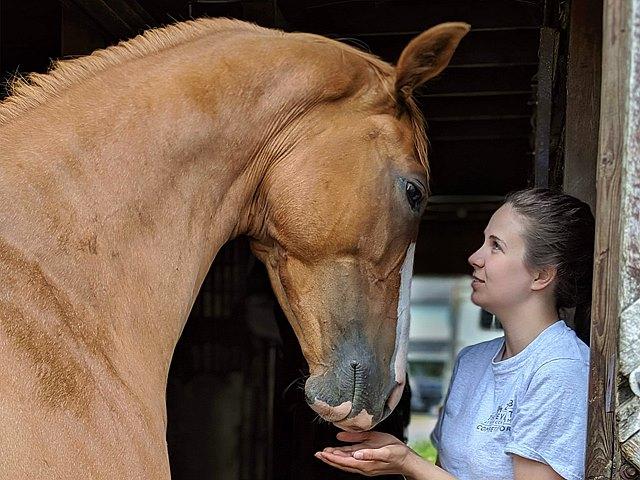 Be sure to closely monitor your OTTB upon arrival (Courtesy of Mareesa Kelly)
During the first 24 hours, it is often best to let the horse look around, take in the new sights and sounds, and begin to understand the rhythm of his new home. Owners should monitor how he eats, drinks, rests, passes manure, and responds to handling without rushing him into a full routine.
Biosecurity is also important when a horse comes directly from a busy racetrack or sales environment. If possible, the new horse should be kept in a separate area away from other horses for 10 to 14 days to reduce the risk of spreading respiratory illness or other contagious diseases.
During the quarantine or adjustment period, hand-walking can help introduce the horse to the property. Let him see fences, gates, neighboring horses, turnout areas, and the barn routine while he is still safely controlled on a lead line.
Taking Turnout and Herd Introductions Slowly
Once the horse has settled, the owner understands his behavior, and any necessary quarantine period has passed, shared turnout can be introduced gradually. Careful introductions help reduce the risk of injury and give the horse time to adjust to a new social environment.
If the horse will eventually be turned out with a larger group, introducing him to a smaller group of compatible horses first can make the transition safer and less overwhelming. This gradual approach gives the new horse time to learn the herd dynamics while reducing the risk of stress or injury.
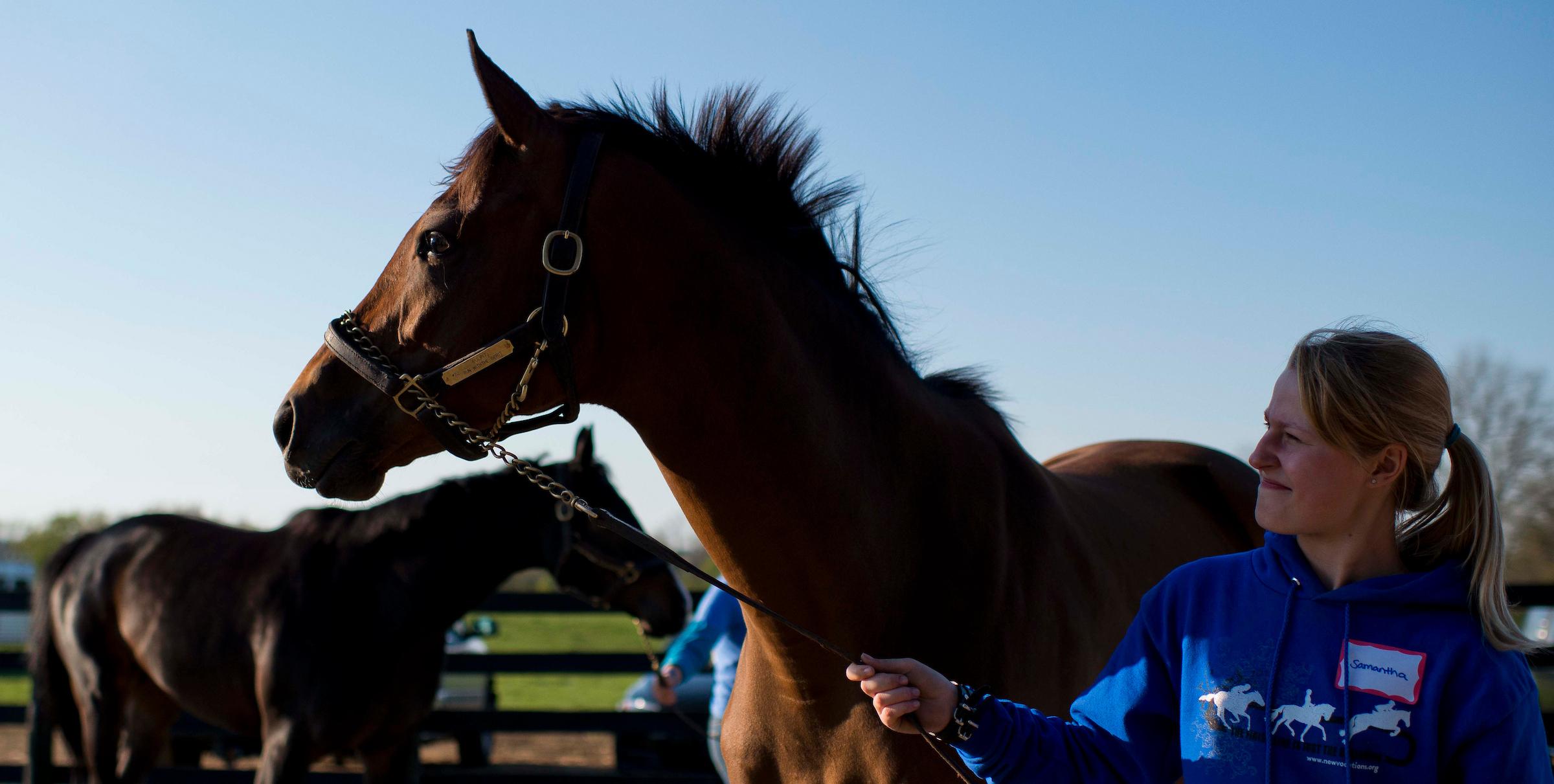 Some OTTBs need more time than others to settle (Eclipse Sportswire)
From there, the first few weeks should be guided by the individual horse rather than a rigid timeline. Some OTTBs settle within days, while others need a couple of weeks to understand their new routine and adjust physically, mentally, and emotionally to life after the track.
Use the First Couple of Weeks to Assess Individual Needs
The first few weeks are an important time to observe the horse, learn their personality, and understand what they need to feel healthy and settled. The best approach depends on the horse's health, soundness, temperament, body condition, and response to a new environment.
Some horses may be dealing with gastric ulcers, poor appetite, low body condition, a weak topline, soreness, or lameness. Others may simply need a little time to adjust to a new routine and a different lifestyle than they had at the racetrack.
Progress may be measured in small but meaningful ways, such as improved appetite, more relaxed body language, easier handling, weight gain, or playful behavior with other horses.
Getting to Know You: Building Trust Before Training
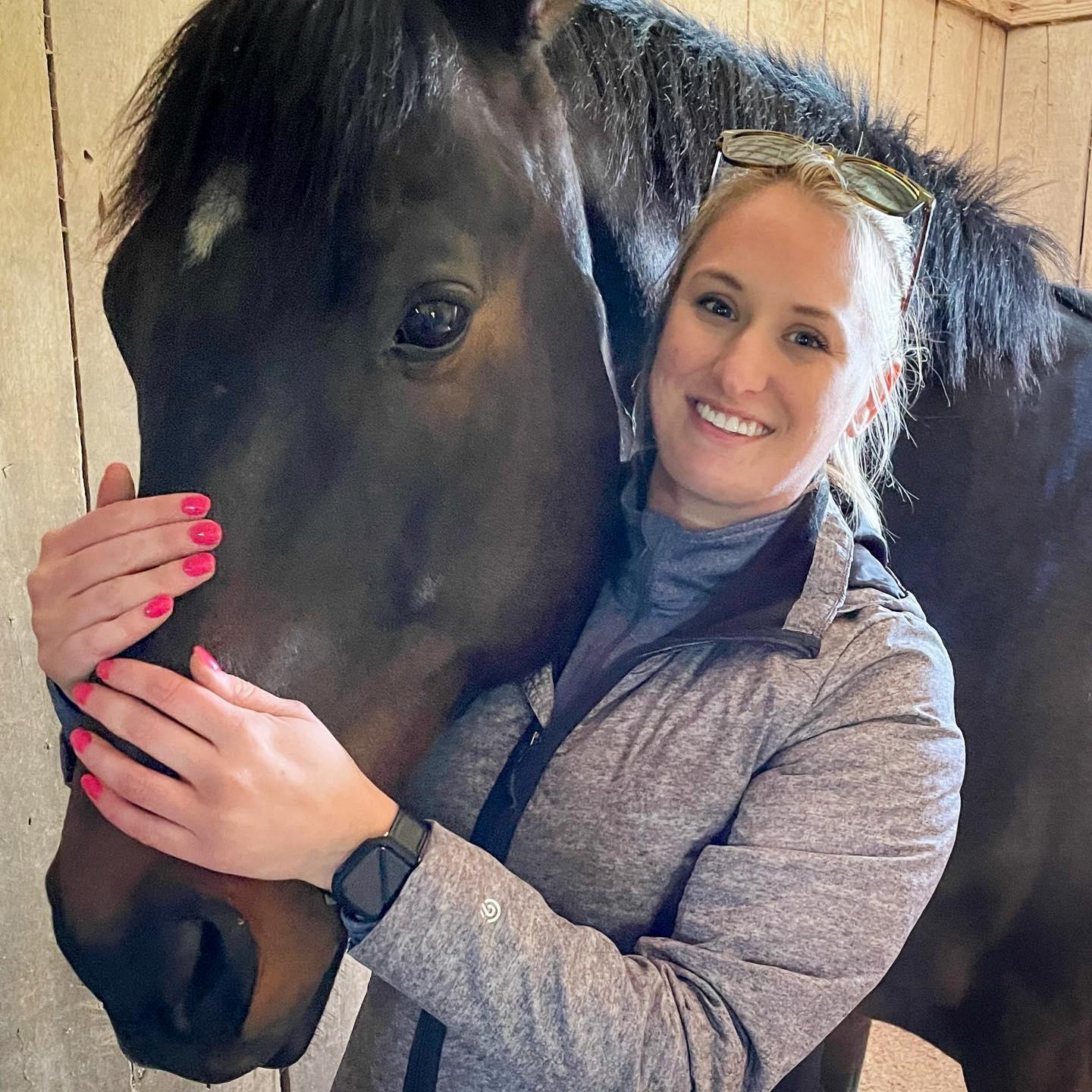
This adjustment period is also a valuable time to build trust on the ground before more intensive second-career training begins. Quiet grooming sessions, hand-walking, and time spent bonding with your new OTTB can all become part of the letdown process.
Once that trust is established on the ground, many OTTBs are better prepared to learn new expectations under saddle.
The Letdown Period Looks Different for Every Horse
There is no single “right” way to let down an OTTB. In the past, people often gave newly retired Thoroughbreds several months — or even a year or more — for a “letdown” period before beginning post-track training.
But today, the approach is usually more individualized.
For some horses, the transition may mean a longer break with plenty of turnout and time to simply be a horse. This is often the best approach for horses recovering from old injuries, carrying soreness, needing to gain weight, or showing signs that they need more time to mentally decompress from the racetrack.
However, a long, completely unstructured letdown does not always make sense for every horse. Many OTTBs benefit from a short break to adjust to their new environment, followed by light, low-pressure work that helps them maintain some of the fitness they had at the track while still giving them time to relax and reset.
By the second and third months, many OTTBs are settled into their new routine and feel more comfortable in their surroundings. They may begin to gain weight and muscle, and their personalities often become more apparent as they relax and gain confidence.
This is also the stage when many owners begin introducing more structured training. However, while some OTTBs transition quickly into a new job, others still need more time to develop strength, balance, and an understanding of their new job.
Set Small, Realistic Goals
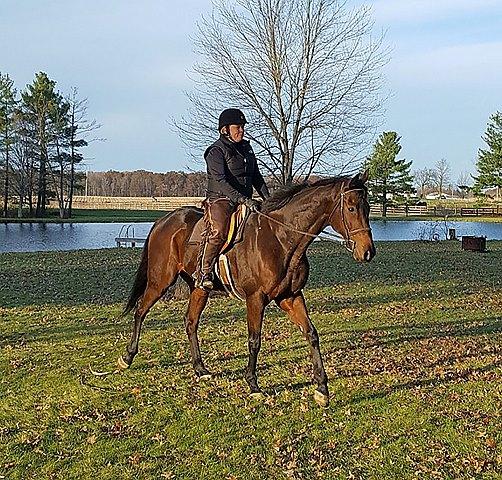 Set simple, attainable goals with your OTTB (Courtesy of Mike Groubert)
Rather than trying to fit every OTTB into the same mold, start by being realistic about the horse’s individual starting point.
In the first 90 days, the goals may be simple: settling into the barn, eating well, gaining body condition, and beginning to understand foundational aspects of their second career.
The Foundations of Retraining: Focus on the Basics
Racehorses are highly trained athletes, but they have been prepared for a very specific job. Many OTTBs may still be learning skills such as standing quietly at a mounting block, moving away from leg pressure, stretching into contact, maintaining a steady rhythm, or carrying themselves in balance.
During the first few months, patience and consistency are key. Short, positive sessions are usually more productive than drilling or repetitive work. Groundwork like lunging, long-lining, and exposure to new environments can also help build confidence.
Under saddle, the focus should stay on the basics: relaxation, rhythm, clear steering, responsiveness to the aids, improved balance and straightness, and gradually developing the strength the horse needs to stretch and carry themselves correctly.
One of the most important things new OTTB owners can understand is that progress rarely happens in a straight line. A horse that feels relaxed and confident one week may seem distracted or uncertain the next.
As the horse settles into his new life, owners often discover new aspects of their personality as well as strengths and challenges.
Rather than focusing on a strict timeline, pay attention to the horse you have each training session. Small milestones — standing quietly for grooming, hacking calmly around the property, or mastering a new skill under saddle — are all signs that the transition is moving in the right direction.
By the end of the first 90 days, success for an OTTB may simply mean he has learned to trust his handlers, settled into a routine, and developed a solid foundation for whatever career comes next.

Silver Charm: As Tenacious as They Come