


Silver Charm: As Tenacious as They Come
· EN ESPAÑOL
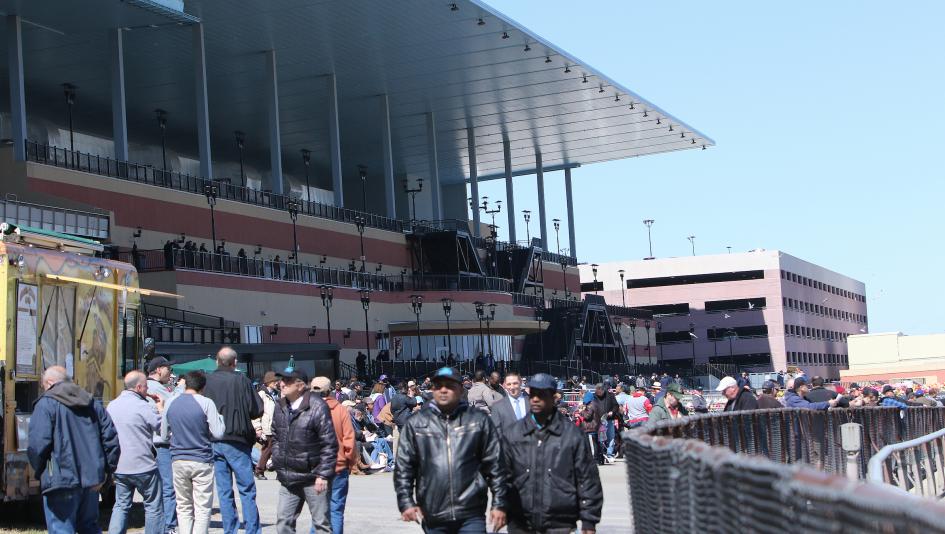
Saying goodbye to a building is one thing. Bidding farewell to people is another. When I think about the closure of Aqueduct Racetrack this Sunday, what first comes to mind isn’t the image of that retro-looking grandstand or the intensity of those howling winter winds on the apron. It’s the faces. The people who filled one of America’s great racetracks (certainly one of its grittiest), those who made Aqueduct what it ultimately became. And right now, a few days from the end, these are the people I can’t stop thinking about.
Let me go back. It was the 1980s. My father, an immigrant from Morocco, was working hard to establish himself in Brooklyn. My earliest memories of him were brief weekend visits after my parents divorced when I was a baby. We had two routines: watching New York Mets games on TV or walking three blocks to the New York City OTB.
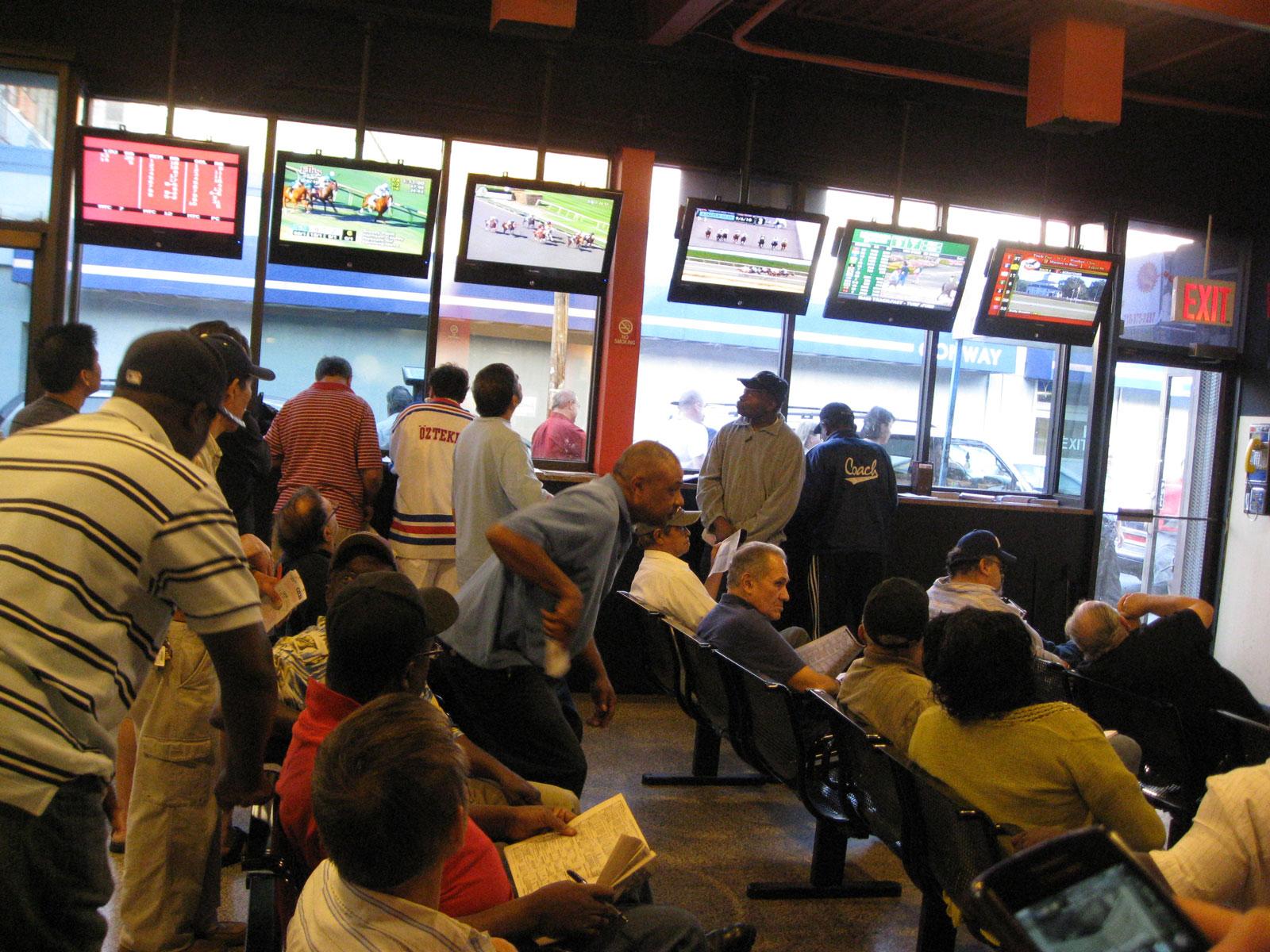
The OTBs were dark, dingy places where people — mostly immigrants, like my dad — would pop in on a weekend to bet a race or two from the seemingly hundreds that would be simulcast from around the country daily. But there were also those who spent their entire paycheck there, race after race, every day of the week. In those old betting parlors of New York, I would end up learning a lot about these folks, perhaps summarized by a T-shirt I recently saw that read: I’m not addicted to gambling, I’m addicted to hope.
As such, communities formed inside those rooms. Jamaican, Chinese, Turkish, Israeli men and women who became one larger family, shouting at TV screens, from the first East Coast race at around noon all the way through closing time near midnight, which usually ended with races somewhere in Australia. It sounds chaotic. It was also, in its own way, beautiful.
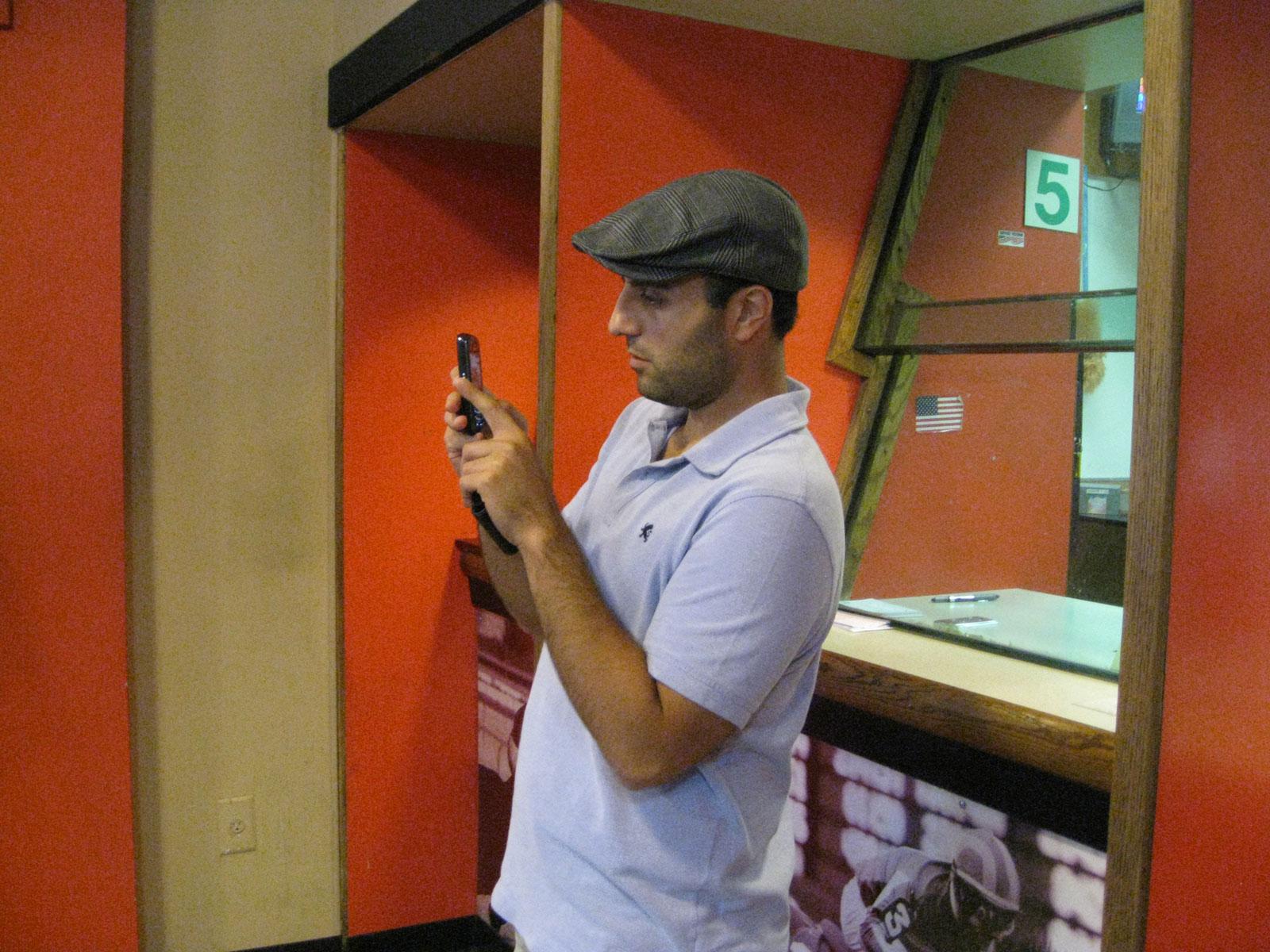
About 15 years ago, the OTBs shut down (SEE SLIDESHOW BELOW). It was an instant stripping away of the cultural fabric of the city. It also was uprooting for the patrons of the shop on East 16th, between Kings Highway and Avenue P. Guys we’d come to come to know with names like Prince, or others whose names we didn’t know and to whom we gave nicknames like “Pristine.” These were people who had become family over years of shared wins and losses, suddenly without a home. We all wondered the same thing. Where do they go now — where do WE go now?
For most, the answer was Aqueduct.
Opened in 1894 and then rebuilt and reopened in 1959, Aqueduct came to represent every classic depiction of a racetrack in American pop culture. In fact, it was the setting for the memorable racetrack scene in one of my favorite movies, “A Bronx Tale.” When I think of Aqueduct, I think of a place that was often loud, cold, and proud. It was a place that never pretended to be anything more glamorous than what it was. And that was exactly the point.
All that being said, Aqueduct has hosted premier racing — and horse racing stars — throughout its history. As core racing fans know, the track has been the longtime home for New York’s prep series for the Kentucky Derby, which includes the Withers Stakes, Gotham Stakes, and Wood Memorial. Over the years, absolute giants of the sport like Secretariat, Man o’ War, and Cigar, all made appearances at the Big A. Some of the best horses in the world also converged on Aqueduct in 1985 for the second running of the Breeders’ Cup World Championships.
More recently, Aqueduct served as a large-scale vaccination site during the COVID-19 pandemic. This was further affirmation of Aqueduct being more than just a racetrack. It was a place for people looking for hope and finding community.
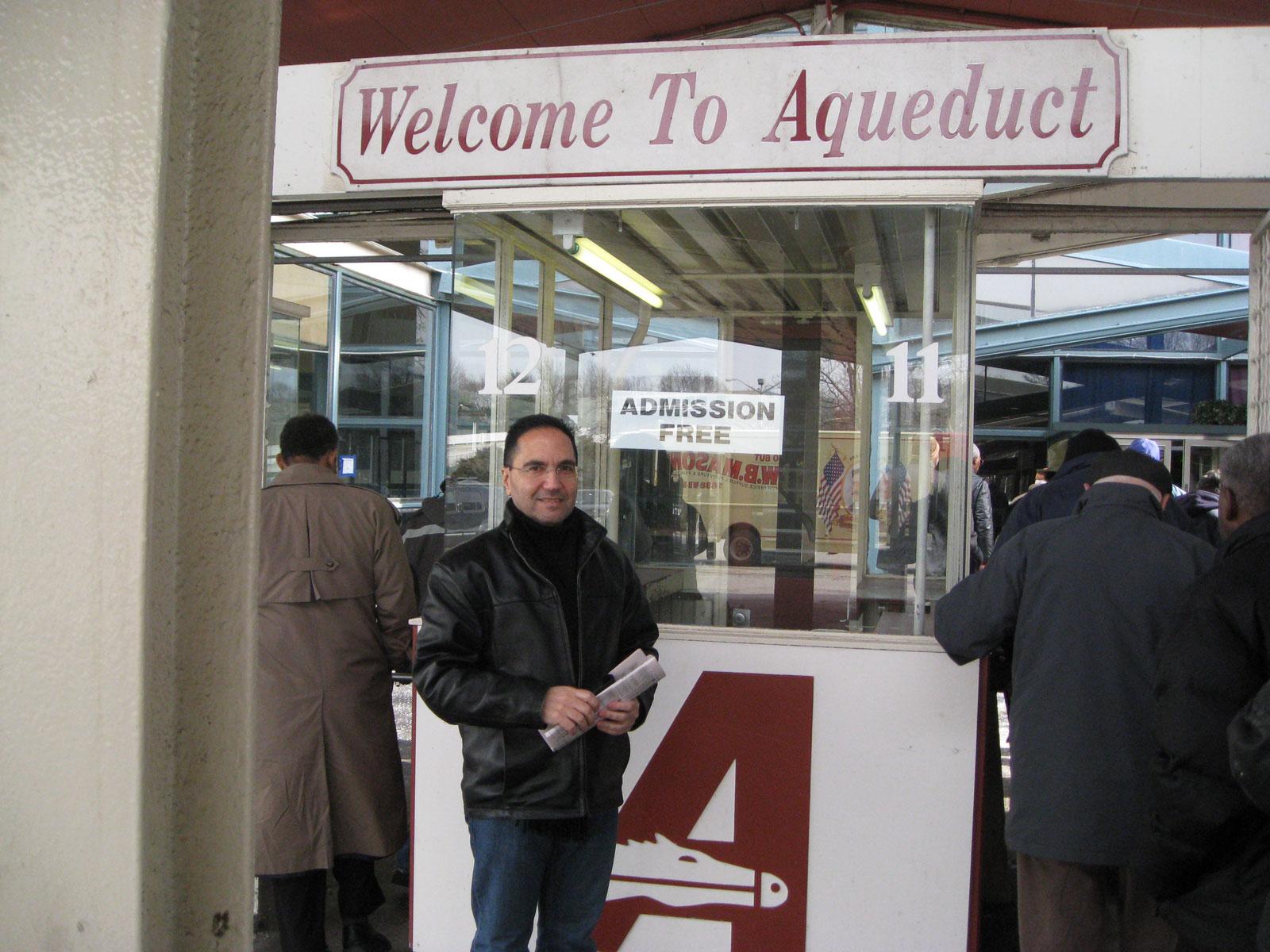
When the OTBs closed, the track truly absorbed the sunrise-to-sunset crowd with open arms. I remember visiting Aqueduct in those first few months after the OTB shutdown and running into a slew of old faces. In those first months, it felt like rediscovering a long-lost friend. Where have you been? How long does it take you to get here? Any big hits lately? The answers always came with color and laughter and without inhibition.
Many of the people who stick with me are people who knew real hardship in their lives. Some of them were in wheelchairs, others couldn’t read or write. Racing was an escape, a release valve from a lifetime of pressure and adversity. A few bad beats at the window were small grievances compared with the issues many of them had carried from their home countries or from their lives beyond the track. Inside those walls, none of that weight seemed quite as heavy.
It’s true, if you spent more than 10 minutes in the simulcast spaces or upstairs overlooking the saddling ring, the smell of marijuana would hit you pretty hard. But once you got past that, something else took over entirely. The biting January cold. The raw Patois cheers and jeers aimed at jockeys on the track. The pure, unfiltered elation of hundreds of people roaring for a horse running right in front of them. There was nothing else quite like it in this city.
There’s an image I keep coming back to. About a year ago, jockey Kendrick Carmouche won his 4,000th career race at Aqueduct. One of the most accomplished African-American jockeys of the modern era, a true fan favorite. After the race, he didn’t hustle back in the jockey’s room. Instead, he came up to the grandstand and celebrated with the regulars, the die-hards, the people who had cheered for him through thousands of races over the years. They raised their arms together. Posed for photos. Hugged. Everyone there felt it, that specific and irreplaceable joy of watching one of your own come out on top.
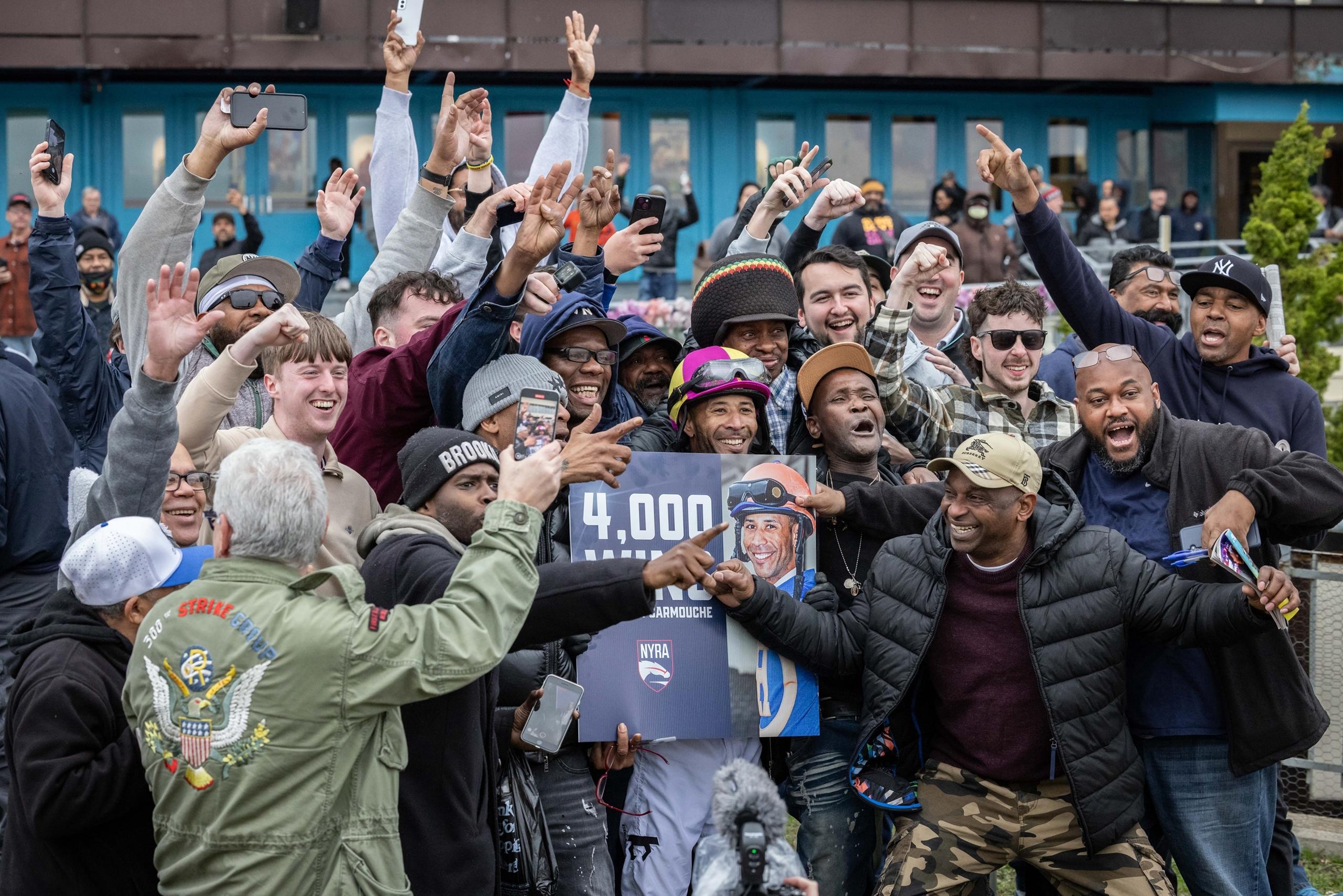
I made sure to be at Aqueduct for its final Wood Memorial this past April. Standing outside before the gates opened, I spotted Carmouche. He had just parked his car and was walking up to the main entrance, where hundreds of fans were already gathered to mark the occasion.
He again stopped for pictures, dapped up one person after another, and chatted horses with anyone who wanted to talk. Just think about that for a moment. Imagine arriving at a football stadium and having one of the players come through the general admission gate to hang with the crowd before kickoff. These things don’t happen anywhere else, but they did at Aqueduct.
As Sunday approaches, I find myself asking the same question I asked when the OTBs closed. Where does everyone go now? How do these bonds stay intact once the walls that held them together come down?
What I’ve come to understand (or perhaps, hope) is that places like Aqueduct — rare as they are anymore — don’t just shelter people with grit and resilience. They build those things in people, layer by layer, season by season, race after race. That’s the part no one can take away or tear down.


Silver Charm: As Tenacious as They Come
Silver Charm: As Tenacious as They Come