

Breeders’ Cup Fantastic Finishes: Enable Makes History at Churchill

To those who own and ride them, off-track Thoroughbreds (OTTBs) are known for being athletic, intelligent horses with the heart and versatility to succeed in almost any second career.
But for those who have never owned an OTTB – or who have had limited experience riding or working with them – myths often circulate, portraying them as too hot, too fragile, too reactive, or too difficult.
The truth, as with most things involving horses, is far more nuanced.
OTTBs do come from a unique background. Many have spent their early lives in a structured, fast-paced racing environment, where they learned a very specific job – racing. When they leave the track, they may need time to adjust to a new lifestyle, new expectations, and an entirely different way of being ridden.
But that does not mean every OTTB fits into a one-size-fits-all box when it comes to temperament, ability, or their potential to thrive in a new lifestyle or riding discipline.
In this article, we discuss some of the most common myths about OTTBs and take a closer look at the truth behind these often-misunderstood horses.
One of the most common myths about OTTBs is that they are all hot, anxious, or overly reactive. Because Thoroughbreds are bred and trained to race, some people assume every OTTB will be difficult to handle, quick to spook, or too forward for the average rider.
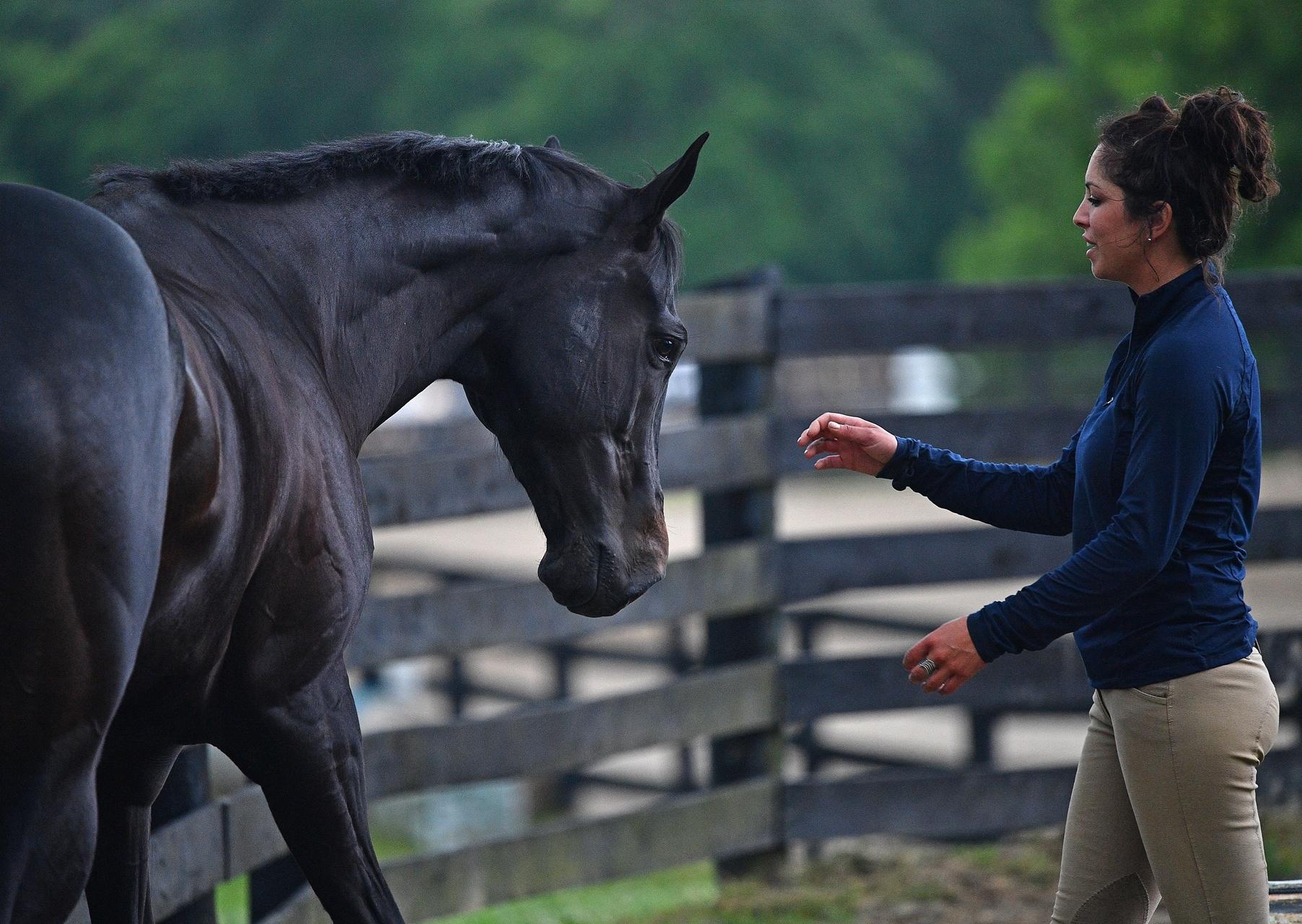
While some Thoroughbreds are naturally forward-thinking and sensitive, that does not mean every horse leaving the track fits the same mold. Like horses of any breed or background, OTTBs come with a wide range of personalities, from bold and energetic to quiet, steady, and surprisingly laid-back.
Many have also been exposed to busy racetrack environments. That experience can make them more adaptable than people expect.
What is often labeled as “hot” may actually be anxiety, discomfort, racing fitness, confusion, the wrong feed, or a reaction to changes after the track.
Rather than assuming an OTTB is difficult because of their breed or racing history, it is more helpful to look at the whole horse first.
Another common myth is that most OTTBs leave the track too unsound or physically worn down to have successful long-term second careers. Because racing is physically demanding, some people assume that any horse with a race record must have serious limitations.
The reality is that OTTBs, like any horses coming from a demanding athletic career, should be evaluated as individuals. While some may have old injuries, many OTTBs retire from racing young, sound, and ready to begin retraining with no physical limitations.
A veterinary exam and a realistic understanding of the horse’s history can help determine what kind of second career is appropriate. Some OTTBs may even go on to compete in upper levels of equestrian sport, while others are better suited for lower-level competition, trail riding, pleasure riding, or less physically demanding work.
The key is not to dismiss an OTTB simply because they raced. Their soundness, comfort, conformation, temperament, and future workload all matter when considering an appropriate second career.
With the right match and management, many OTTBs go on to have long and successful second careers after the track.
Some people believe an OTTB needs to “forget” everything they learned at the track before they can become a good riding horse. This myth often depicts racing experience as something that must be undone before retraining can begin.
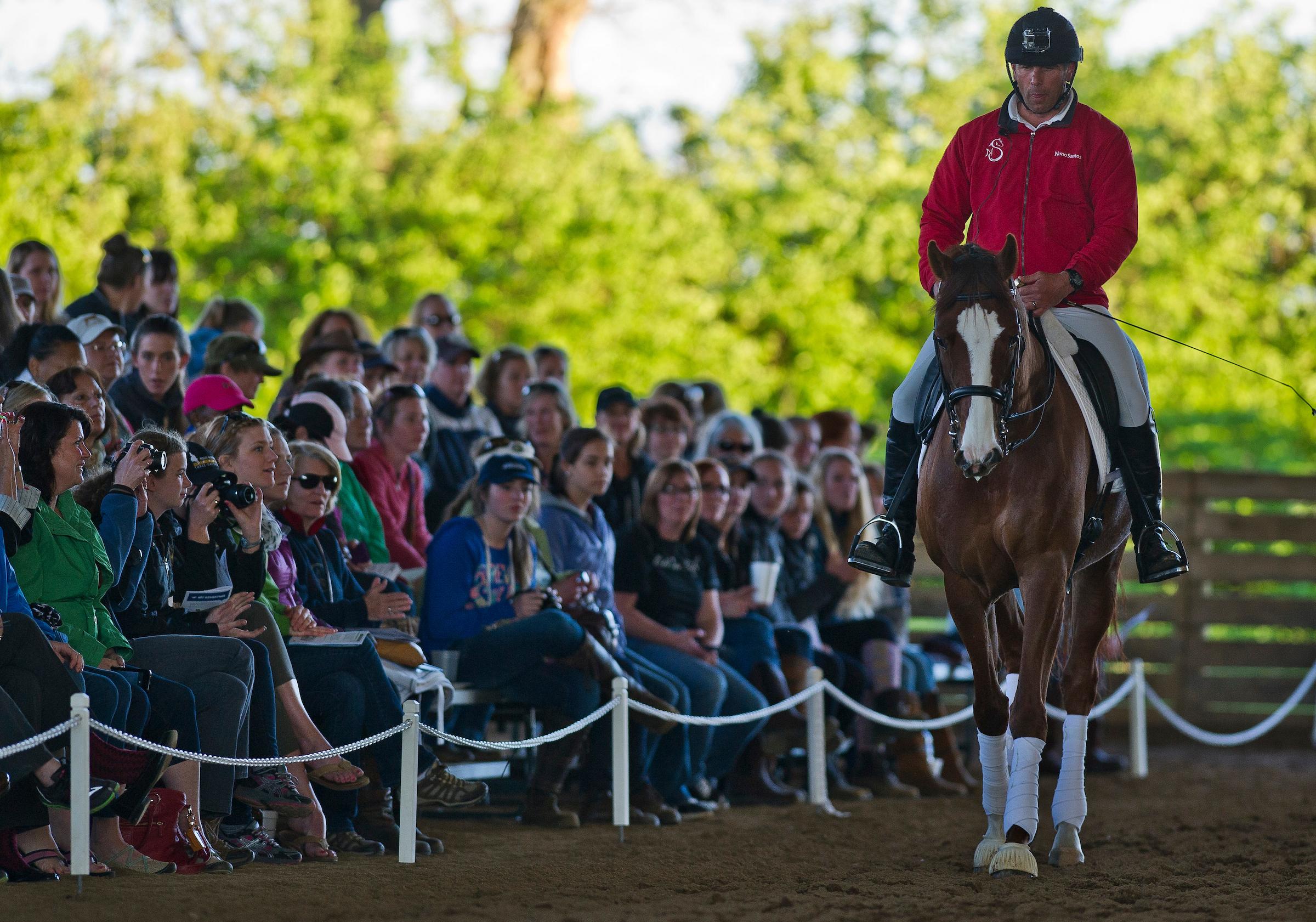
In reality, OTTBs often come with a valuable foundation. Many already know how to be handled daily, trailered, and stand for the vet and farrier, and have been exposed to busy environments.
Under saddle, they also understand how to move forward willingly and respond to basic steering cues, and they were taught to change leads.
An OTTB may need to learn new ways to balance, respond to leg and rein aids, stand quietly at the mounting block, hack alone, or work in a smaller arena. They are not being difficult if they do not yet understand these expectations – they are learning a new way of doing things.
Successful retraining is about translating what the horse already knows into a new context. That may include teaching them that bit pressure and leg contact can mean slow down, stretch, and relax rather than to run faster or lean into the bridle.
Groundwork can also help introduce voice commands and build confidence as OTTBs learn and redefine the skills needed for their new job.
A common belief is that every OTTB needs several months, or even a full year, turned out before they can begin retraining. While this transition period, often referred to as a letdown period, can be beneficial for some horses, it isn’t ideal for every OTTB.
Letdown periods should be guided by the horse’s physical and mental needs after retiring from the track, not by a standard timeline.
Some OTTBs may need time to recover from an injury, gain weight, adjust to turnout, or settle into a new lifestyle. Others may feel more secure with a predictable routine that includes light groundwork, hacking, or basic flatwork.
Many Thoroughbreds thrive on structure, routine, and having a job, so abruptly moving a highly fit athlete from a strict track schedule to unlimited pasture turnout may not be ideal for every horse.
For some, an active letdown with low-stress movement can keep their minds engaged while their bodies safely adjust to a new workload.
The best transition plan considers the whole horse. Age, fitness, soundness, stress level, turnout experience, body condition, and personality should all shape how much downtime they need and when retraining should begin.
Another common myth is that OTTBs are only appropriate for professionals or highly experienced riders. Because some fresh off-track horses are fit, sensitive, and still learning a new job, they are often assumed to be too big of a challenge for amateurs.
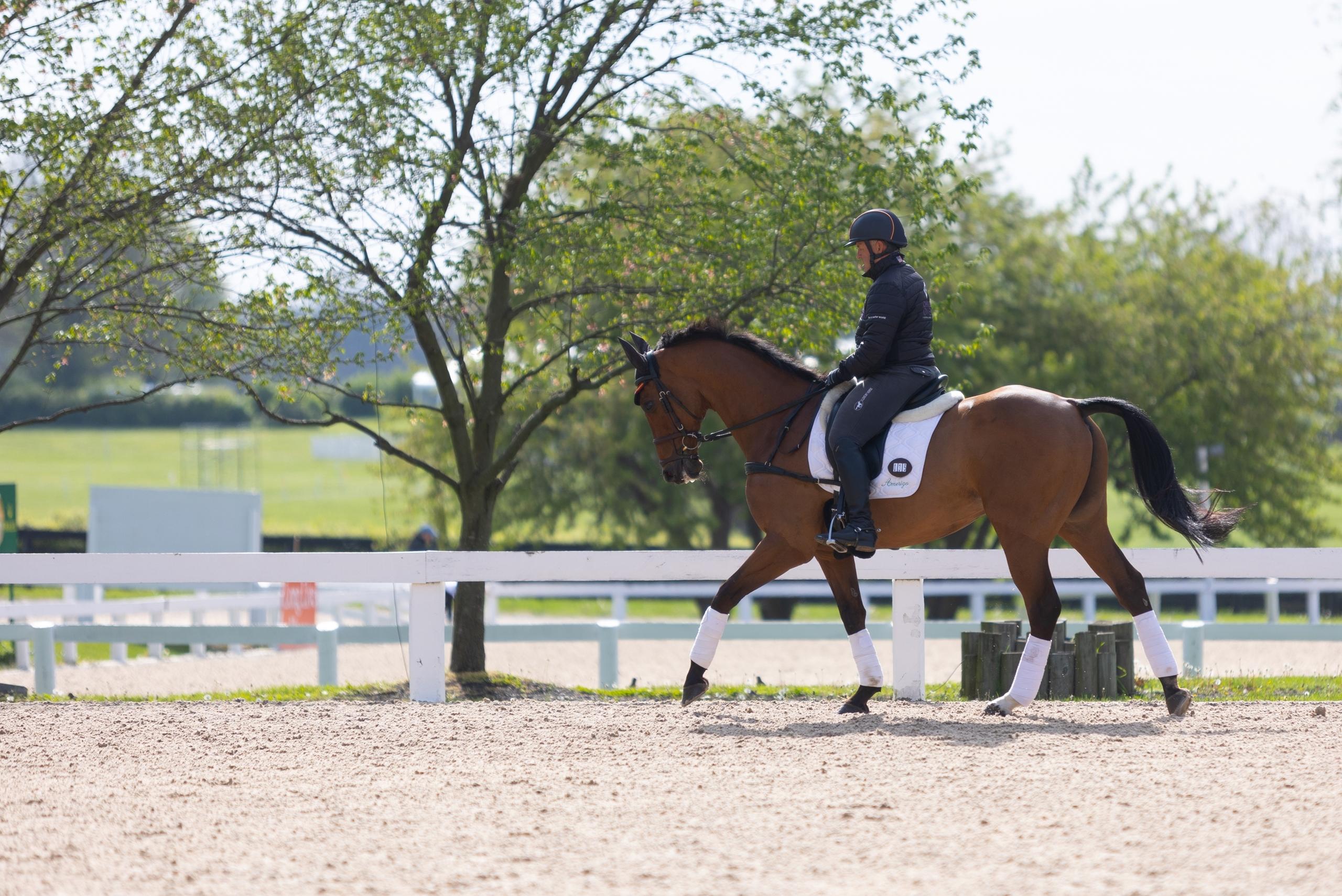
Not every OTTB is indeed the right match for every amateur, especially if the horse is very anxious or in need of significant retraining. But that does not mean OTTBs as a whole are unsuitable for amateur owners.
The right match matters. A quieter OTTB with a good brain, appropriate soundness, and some retraining may be a wonderful partner for an amateur, especially with support from a knowledgeable trainer.
Amateurs should be honest about their goals, confidence, experience, and support system when choosing an OTTB. Rather than focusing only on things like age, height, and color, they should prioritize temperament, suitability, and the horse’s current level of training.
Many people assume OTTBs are always difficult to keep weight on. Because Thoroughbreds are often leaner on the track and have higher metabolisms than some other breeds, this myth can lead people to believe that poor body condition is simply part of owning one.
Many Thoroughbreds come off the track with a “race-fit” body condition – lean, muscled, and conditioned for intense work.
Like any horse, OTTBs need nutrition matched to their workload and lifestyle. For example, strategic calories from fat and fiber, rather than simply adding more grain, may help support body condition and cool, steady energy levels.
With quality forage, an appropriate feeding program, veterinary care, and time to adjust, most OTTBs can achieve excellent body condition, and some may even become easy keepers over time.
However, being thin or struggling to maintain weight should not automatically be considered normal. Continued weight loss or poor body condition may be related to stress, ulcers, dental issues, parasite load, poor forage quality, or an unbalanced diet.
“Bad feet” is another stereotype often attached to OTTBs. Some people assume that every Thoroughbred has thin soles, frequently lost shoes, or hoof problems that will always be a limitation.
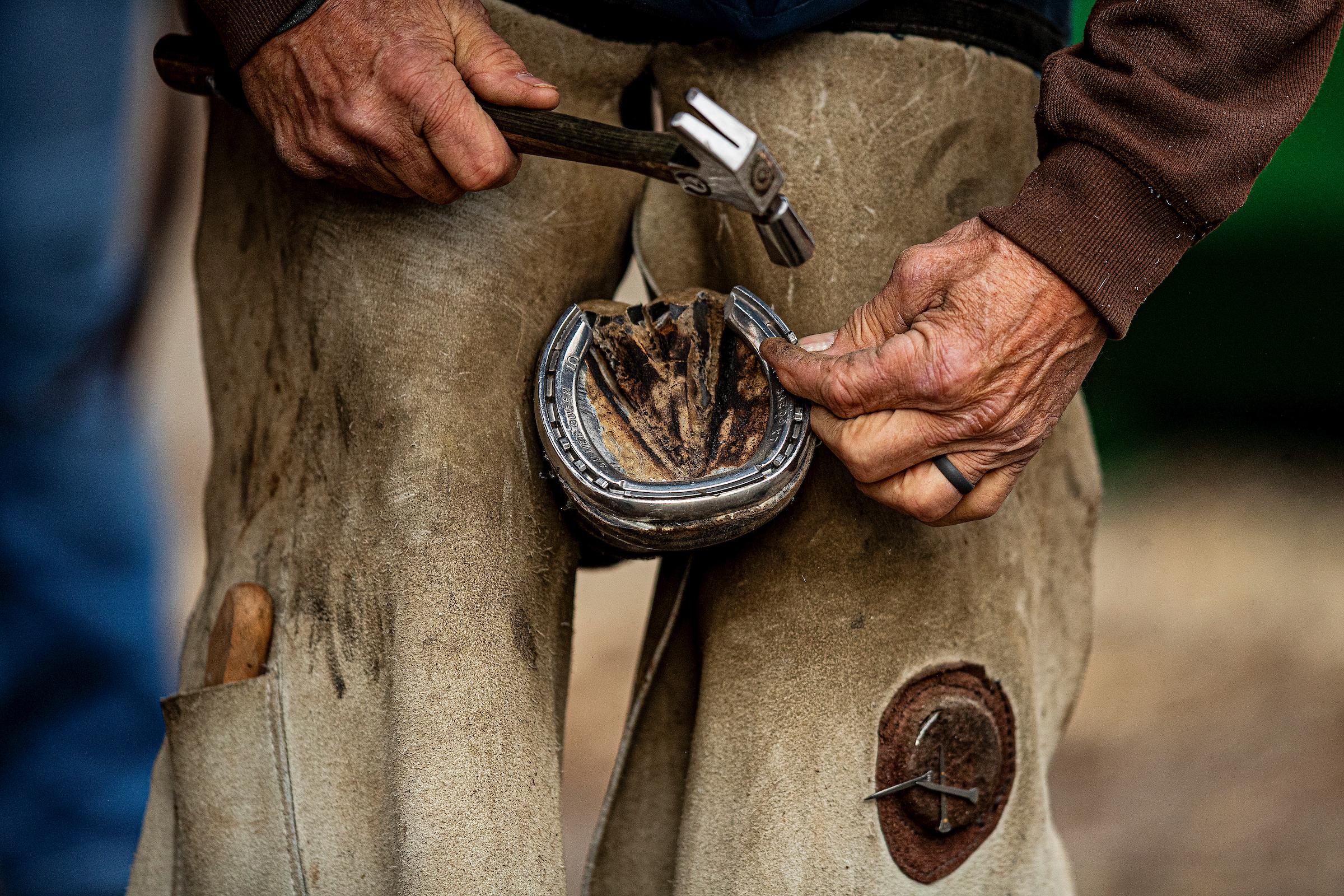
Hoof quality varies widely from horse to horse. Some OTTBs come off the track with long toes, underrun heels, thin soles, hoof cracks, or feet that need time to recover, while others have strong, healthy feet and adjust well to a new farrier program.
For horses that do need support, a thoughtful transition plan can make a major difference. Balanced trimming or shoeing, better nutrition, and time for healthier hoof growth can all help.
With consistent farrier and nutrition to support healthy hooves, many OTTBs develop stronger feet over time – and some even compete barefoot at the upper levels of equestrian sport.
Because Thoroughbreds are known for speed, stamina, bravery, and athleticism, they are often closely associated with eventing and jumping. While many OTTBs do thrive in those sports, it is a myth that those are the only jobs they can do well.
OTTBs can succeed in a wide range of second careers aside from the more common disciplines such as show jumping and eventing.
Their racing background does not limit them to just a handful of disciplines. Conformation, movement, soundness, temperament, and training should guide the horse’s next career more than assumptions about what OTTBs are “supposed” to do.
Dressage, western performance, barrel racing, polo, trail riding, endurance, ranch work, pleasure riding, and therapeutic programs are just a few of the other disciplines OTTBs can succeed in.
When the individual horse’s strengths and needs are matched to the right job, OTTBs can prove just how adaptable and versatile they really are.

Silver Charm: As Tenacious as They Come