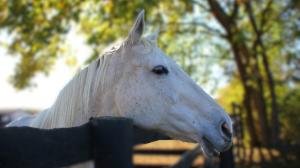

Gleði is an Icelandic word that means joy or happiness. Gleði Farm is the name of Dana Fletcher’s small farm in Edgefield County, S.C., where two Thoroughbreds now known as Nash and Reggie call home.
Bringing home an off-track Thoroughbred (OTTB) is exciting, rewarding, and a little overwhelming at times.
Thoroughbreds leave the racetrack as highly conditioned athletes, but stepping into a new career means adapting to an entirely different lifestyle. It’s more than just a change in discipline — it’s a full reset in management, barn life, and expectations.
If you’re considering adopting an OTTB — or have recently brought one home — here are five things many new owners wish they knew that can make all the difference as you begin your retraining journey together.
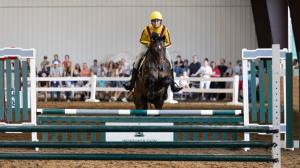
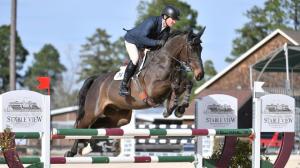
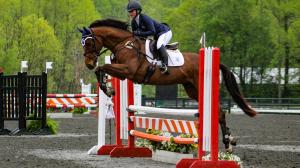
The Jockey Club Thoroughbred Incentive Program (T.I.P.), which encourages the retraining of Thoroughbreds into other disciplines upon completion of careers in racing or breeding, today announced the winners and other placings from its 2025 performance awards program.
Laura Otten had previously owned an off-the-track Thoroughbred and always intended to return to riding and horse ownership. Over the years, she had followed several aftercare organizations, hoping to adopt another Thoroughbred someday. When the COVID-19 pandemic happened, it unexpectedly accelerated those plans. Otten began actively searching for her next horse, specifically a gelding suited for pleasure riding and low-level Eventing.
The average Thoroughbred has the potential lifespan of 25-35 years. If the horse races from age 2 to 4, he or she then has another 20-30 years beyond that, a whole other lifetime which for some could be spent as a stallion/broodmare or as a paddock pet for a loving owner. Beyond the racetrack or a backyard paddock is the show ring, another venue for the Thoroughbred to show off their athleticism and work ethic in partnership with riders of all ages and levels.