How a Legendary Trainer Known as ‘The Bald Eagle’ Excelled for Five Decades

A week and a half ago, some of the best Thoroughbreds in the world competed in the Breeders’ Cup at Keeneland, racing in 14 stakes worth a combined $34 million. But most racehorses spend their careers trying to win at a far less prestigious level – one that suits their ability.
If you’re new to horse racing, here’s a quick primer on claiming races, which make up the majority of races held each year in the U.S. and Canada. When you go to a racetrack and thumb through the daily program, chances are that most of the time you’ll be reviewing Thoroughbreds that are competing in a claiming race … and that means they’re offered for sale.
Claiming Races 101

The goal of racehorse owners is to win as much purse money as they can throughout their horse’s career, and the goal of those who gamble on horse racing is to win money by betting on horses in competitive events where they can spot an edge.
The claiming race suits both owner and gambler by grouping together horses of similar ability in a contest. This is done by setting a sale price – the claiming price – on every horse entered in the race. If an owner enters their Thoroughbred in a $20,000 claiming race, for example, that horse is for sale at that price, and the owner risks losing it (having it claimed by another owner).
By setting specific claiming prices for races, the track operators seek to ensure a competitive race, since owners who value their horses at more than the claiming price would not risk putting them up for sale and losing them. And for gamblers, having a generally equal field in terms of ability and/or accomplishments gives them the opportunity to win more money when identifying the correct winner, since there won’t be a far more talented horse competing against overmatched opponents. Racetracks ideally benefit from well-drawn claiming races, too, as they will attract more interest from bettors (measured in dollars wagered, or “handle”), which funds both purses and track operations.
When you see a claiming race in the program, it is classified according to the sale price rather than the purse – a $20,000 claiming race might have purse that’s higher or lower. Before the race, prospective owners interested in horses entered in the race will make their purchase offer (stake their claim) on them, and that transaction is processed by the racing secretary. Once the starting gate opens, any horse that’s been claimed has transferred ownership – however, any purse money won in the race by a claimed horse goes to the prior owner. Once claimed, the horses will move to another trainer’s barn on the track backstretch.
What happens when more than one buyer makes a claim on a racehorse? They will have their names assigned to pills, and the racing secretary will then “shake” those in a cup and draw out the winner. Claimed horses are announced after the race is over and that designation will show up in the racing program’s past performances with the new owner and trainer listed.
There are different types of claiming races, most of them restricted to horses that have raced for a specified claiming price before and/or have won a certain number of races. Claiming prices can range from under $5,000 to six figures, with these more expensive races usually run at marquee tracks such as Saratoga and Churchill Downs. Maiden claiming races also are common – these are restricted to horses that have not won a race yet but are still entered at risk of being claimed for the sale price. In maiden claiming races, you’ll often see horses that previously competed in what are called maiden special weight races get “dropped down” to maiden claiming races after they did not have success at that higher level.
Confusing? A bit. But learning the ins and outs of claiming races will help you both enjoy the sport and sharpen your betting skills. Since most claiming horses are of average ability, they race more often than star, stakes-caliber horses or young horses with stakes potential. You’ll see many of their names pop up more than once during a racetrack’s meet, although there are time and geographical restrictions on what level they can race at after they’ve been claimed.
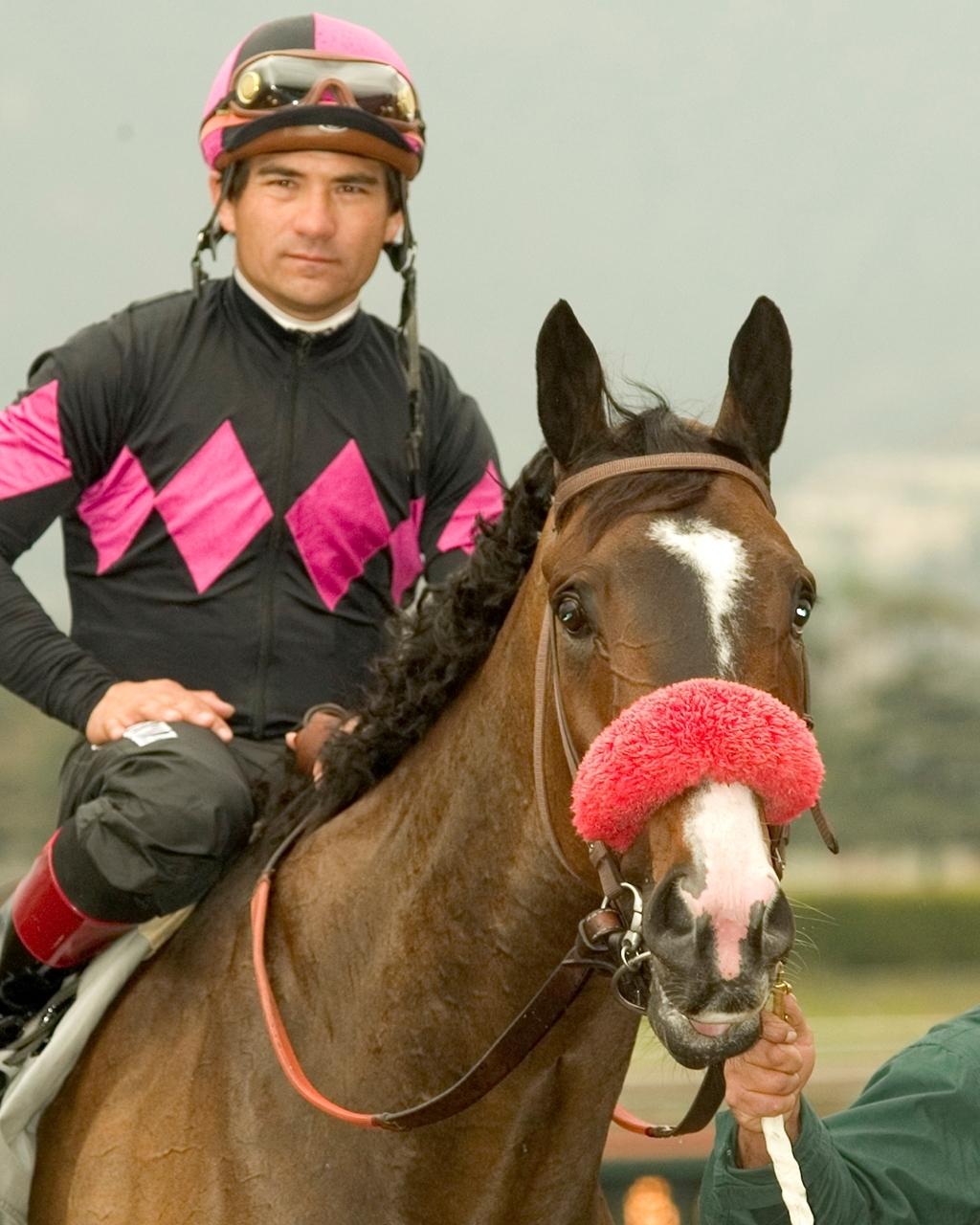
Occasionally, a horse that raced in claiming events will rise from relative obscurity and become a star – the multimillionaire Lava Man who raced mainly in California during the 2000s is a fairly recent example. But even if the vast majority of claiming horses never reach that higher level, they are still competitive, hard-trying athletes and often develop fan bases among those who follow a specific track or racing circuit.
And this weekend, in what’s called the Claiming Crown, many of these working-class hero horses get their moment to shine while competing for purses higher than usual. It’s a series of races restricted to horses from the claiming ranks, and this year’s 28th Claiming Crown on Saturday, Nov. 14, features nine races worth $1.2 million at the home of the Kentucky Derby, Churchill Downs.